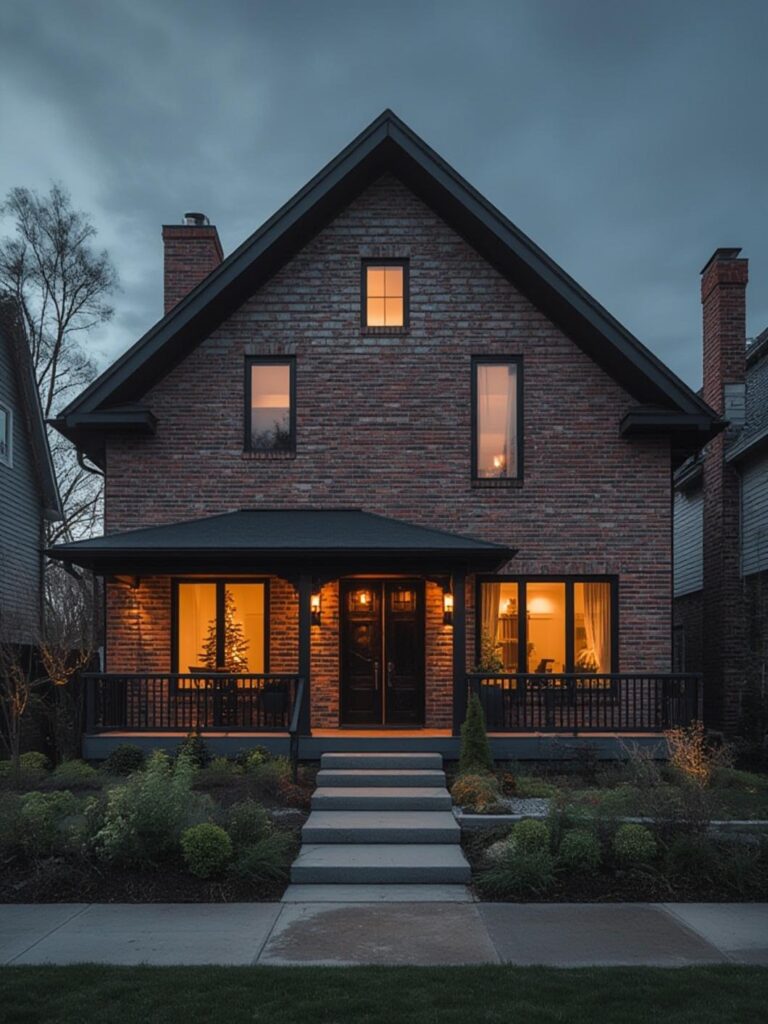

Predictive AI smart home technology is the shift from devices that wait for a command to devices that anticipate what you need before you ask. Instead of saying "turn on the lights," a predictive system already dimmed them because it learned your evening routine. This means fewer daily adjustments, lower electricity bills, and a home that quietly adapts to your schedule, the weather, and even security risks.
Table of Contents
- From Reactive Voice Assistants to Proactive AI Home Automation
- 1. Predictive Lighting
- 2. Predictive Climate Control
- 3. Predictive Security Alerts
- 4. Predictive Energy Management
- 5 Things You Need to Get Started with AI Home Automation
- Is Predictive AI Smart Home Technology Worth It?
- Predictive AI vs. Traditional Smart Home Automation
- Frequently Asked Questions
From Reactive Voice Assistants to Proactive AI Home Automation
The first generation of smart homes ran on voice commands and simple if-this-then-that rules: "if motion detected, turn on light." Predictive AI smart home systems go a step further. They combine data from multiple sensors, historical usage patterns, and machine learning models to make decisions automatically, and only ask for confirmation when something is unusual.
The practical difference shows up in four areas: lighting, climate control, security alerts, and energy management. This is the core of what modern AI home automation actually delivers day to day, not futuristic gadgets, but fewer small decisions left for the homeowner to make manually.
1. Predictive Lighting
Instead of relying only on motion sensors or fixed schedules, predictive lighting systems like Philips Hue with a compatible hub learn when each room is typically used and gradually adjust brightness and color temperature throughout the day, warmer in the evening to support better sleep, brighter and cooler in the morning. Over a few weeks, the system needs less and less manual input.
2. Predictive Climate Control
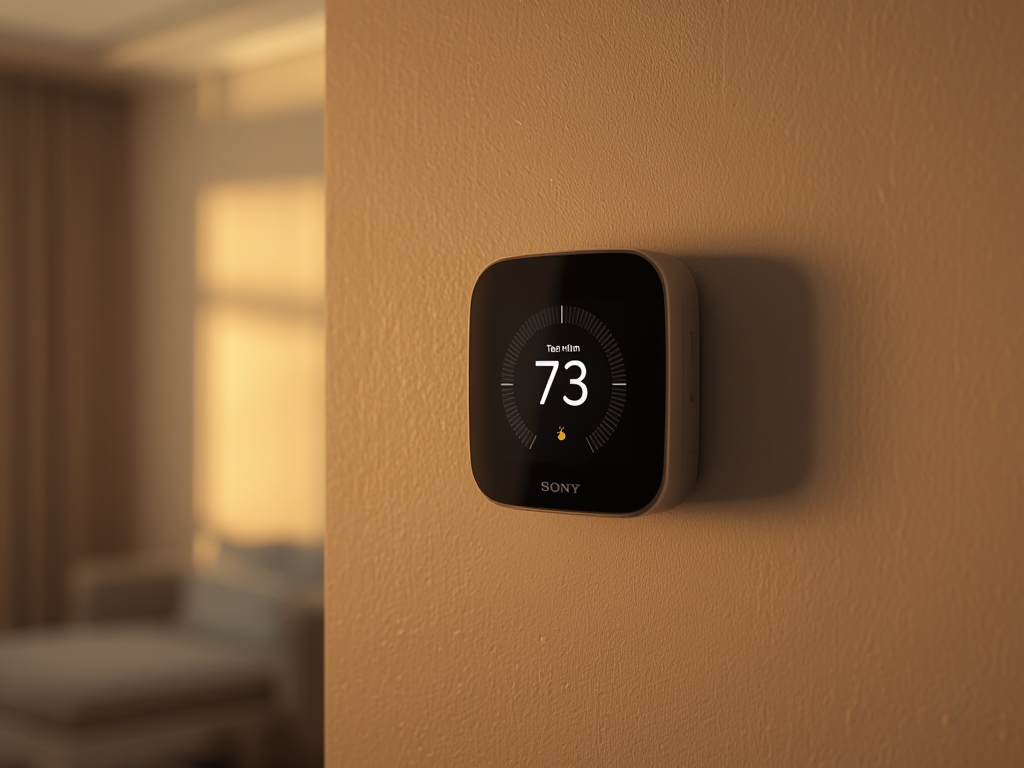
Smart thermostats that use predictive AI, such as the ecobee Smart Thermostat Premium or Google Nest Learning Thermostat, factor in occupancy patterns, local weather forecasts, and even electricity pricing where time-of-use rates apply. This can mean pre-cooling a home before a predicted heat wave while avoiding unnecessary cooling of empty rooms, a meaningful difference on the monthly electricity bill.
3. Predictive Security Alerts
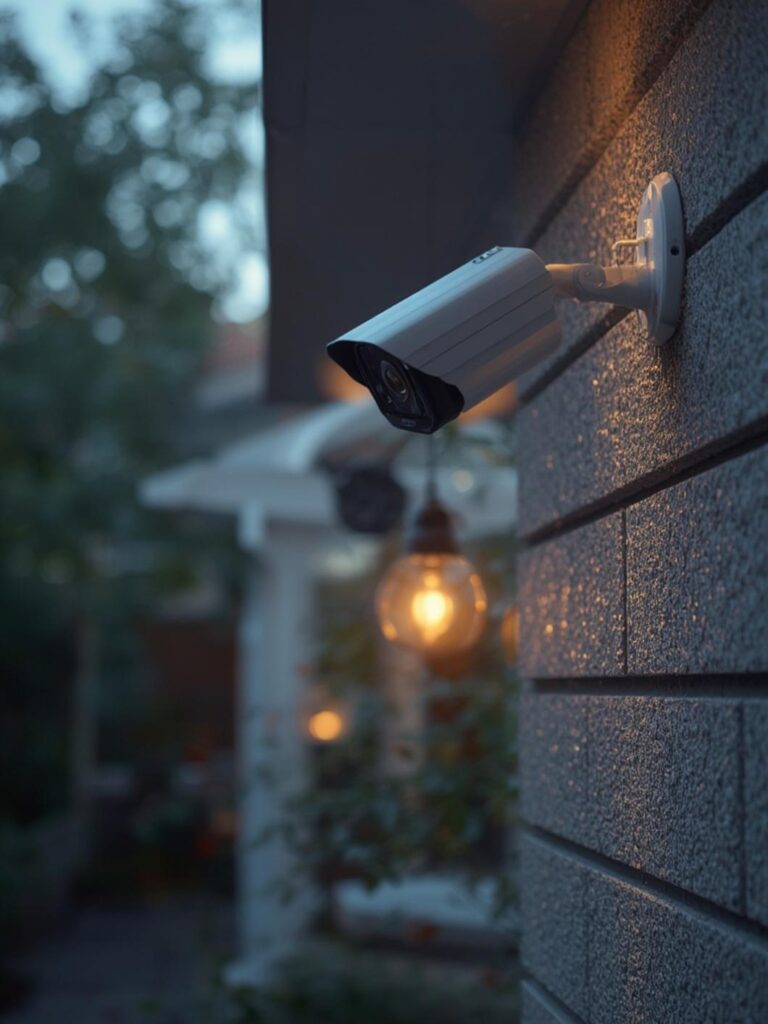
This is where predictive AI matters most for homeowners already using cameras and alarm systems. Rather than sending a notification for every motion event, predictive security software learns what "normal" looks like for your property, a car pulling into your own driveway at 6pm, a delivery at noon, and flags genuine anomalies instead: an unfamiliar face lingering near an entrance, or activity at a time that does not match the household's pattern. This drastically cuts down on alert fatigue, which is the number one reason homeowners eventually ignore or disable their security notifications. For a deeper look at camera and alarm hardware that pairs well with predictive software, see our guide to the best smart home security systems for 2026.

4. Predictive Energy Management
By learning which appliances run at which times, a predictive system can shift non-urgent loads like water heaters or pool pumps to off-peak hours, and flag unusual consumption spikes that often indicate a failing appliance before it becomes a costly repair. Smart plugs like the Amazon Smart Plug or TP-Link Kasa are an inexpensive way to bring older appliances into a predictive system.
5 Things You Need to Get Started with AI Home Automation
- A capable smart hub: Predictive features depend on a hub that can process data locally or sync efficiently with the cloud without lag. See our comparison of the best smart home hubs for 2026 before choosing one.
- Compatible sensors and devices: Lighting, thermostats, and cameras need to support integration with your chosen platform. Devices certified under the Matter standard offer the widest compatibility in 2026.
- A few weeks of "learning" time: Predictive systems need real usage data before their suggestions become accurate. Expect the first two to three weeks to feel more reactive than predictive.
- Realistic expectations: Predictive AI improves over time; it is not a plug-and-play instant upgrade, and the first weeks will need occasional manual correction.
- A plan for your existing devices: Most predictive platforms are designed to layer on top of what you already own rather than replace it, so check compatibility before buying anything new.
Is Predictive AI Smart Home Technology Worth It?
For homes that already have a base of smart devices, a few cameras, a smart thermostat, or connected lighting, adding predictive AI is usually a software or hub upgrade rather than a full re-installation. For homes starting from scratch, it makes sense to plan device selection with predictive features in mind from day one, rather than retrofitting later.

Predictive AI vs. Traditional Smart Home Automation
| Feature | Traditional Automation | Predictive AI Smart Home |
|---|---|---|
| Trigger | Manual command or fixed schedule | Learned pattern, adjusts automatically |
| Security alerts | Every motion event | Only genuine anomalies |
| Energy use | Fixed schedules | Shifts loads to off-peak automatically |
| Setup effort | Low, but constant manual tuning | Higher upfront, less tuning over time |
Frequently Asked Questions
What exactly is predictive AI in a smart home system?
Predictive AI is software that learns a household's patterns, occupancy, schedules, weather, and energy use, and automatically adjusts lighting, climate, and security alerts before the resident has to make a manual change or command.
How long does a predictive smart home need to learn my routine?
Most systems need two to three weeks of regular usage data before their predictions become noticeably accurate, and continue to refine further over the following months.
Can predictive AI cut down false security alerts?
Yes. By learning what typical activity looks like for a specific property, predictive security systems flag genuine anomalies instead of every motion event, which significantly reduces notification fatigue compared to basic motion-triggered alerts.
Is it possible to add predictive AI to an existing smart home?
In most cases yes, particularly if your current hub and devices support Matter or a similar interoperability standard. Older, isolated single-brand systems may require a hub upgrade to unlock predictive features.
Will AI home automation play nicely with my current security cameras?
Yes, most predictive AI platforms are designed to layer on top of existing cameras and sensors rather than replace them, as long as those devices expose their data through a supported hub or API.