
Home security used to mean a loud siren and a dusty VHS recorder. Today, things are different. I think modern AI home security systems are a massive upgrade for protecting your family. You no longer need to stare at grainy footage for hours. Instead, the cameras think for themselves. We will look at how this technology works and why I think you need one this year. Furthermore, we will show you exactly what to look for before you buy. Old alarms just cannot keep up. You need equipment that actively protects your home.
Table of Contents
- Why Choose AI Home Security Systems?
- The Core Technology Behind Smart Security
- Top Features in AI Home Security Systems
- How AI Home Security Systems Reduce False Alarms
- The True Cost of AI Home Security Systems
- Privacy Concerns with AI Home Security Systems
- DIY vs Professional Monitoring for AI Home Security Systems
- Integrating AI Home Security Systems with Your Smart Home
- Comparing Top Brands for AI Home Security Systems
- Common Mistakes When Buying AI Home Security Systems
Why Choose AI Home Security Systems?
Old-school alarms only react after someone breaks a window. By then, the damage is already done. Therefore, proactive defense makes much more sense. AI home security systems detect threats before criminals enter your home. They distinguish between a stray cat and a masked intruder. As a result, you get fewer annoying false alarms. I find this feature alone saves so much sanity.
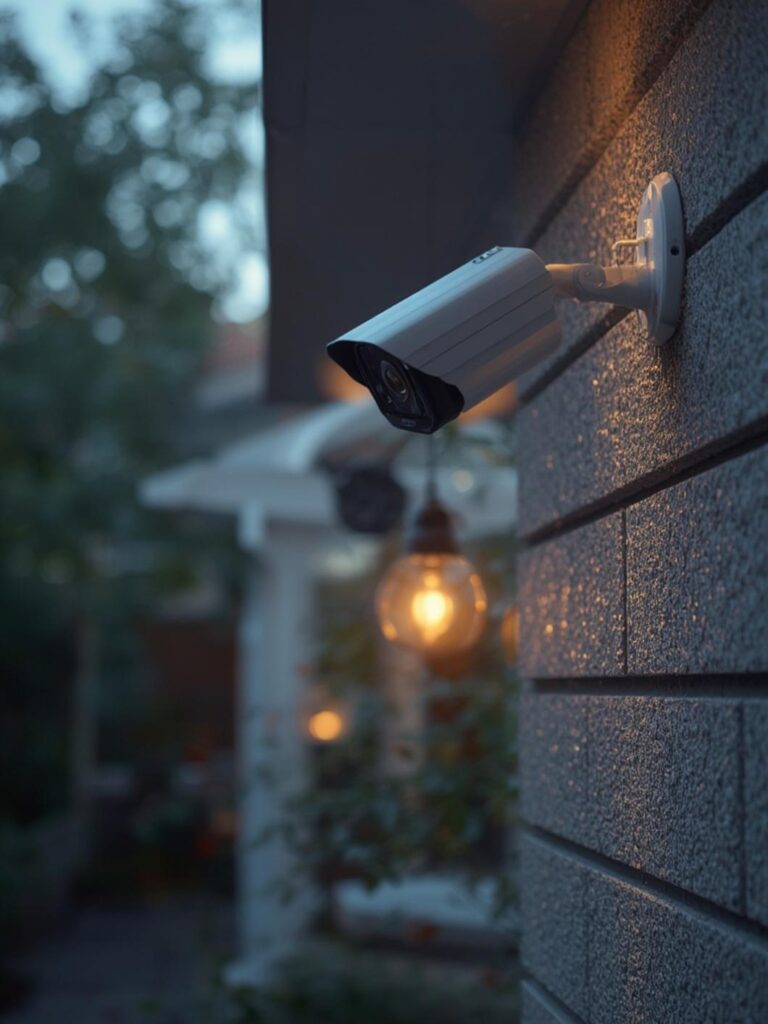
Traditional motion sensors cannot tell the difference between a rustling bush and a creeping thief. However, AI cameras use simple logic to recognize human shapes and behaviors. They lock onto people and ignore irrelevant movement. Moreover, these smart devices learn your family's daily routines. They alert you instantly when something unusual happens. I think this is a huge relief for busy parents.
The Core Technology Behind Smart Security
Artificial intelligence sounds complex, but the concept is straightforward. Cameras process video feeds directly on the device or in the cloud. They compare live footage against large databases of known objects. Therefore, the system identifies faces, animals, or vehicles with high accuracy. It is pretty clever engineering.
When you install AI home security systems, you give your house a brain. The software analyzes pixel patterns to determine if a person approaches. It ignores passing cars or blowing leaves. In addition, edge computing allows cameras to process data locally. This means faster alerts and better privacy since you do not send every video clip to a remote server. Check out our post on edge AI home security for more information on local processing.
Top Features in AI Home Security Systems
Not all smart cameras offer the same capabilities. You should demand specific features when you shop for AI home security systems. I think these are the most important ones to consider before you spend your hard-earned money.
Facial Recognition
The best cameras recognize your family and friends. They send you a name, not just a generic motion detected alert. Therefore, you immediately know if your kids arrived home safely. The system also flags unfamiliar faces instantly. You can dismiss alerts from known people and focus on real threats. I find this feature saves me so much time.
Object Detection
AI identifies specific items like packages, dogs, or vehicles. You receive an alert the moment a delivery driver drops off a box. As a result, you can prevent porch pirates from stealing your goods. CNET highlights object detection as a major benefit for modern homeowners. It removes the guesswork from your daily monitoring routine, which I appreciate.
Behavioral Analysis
Some AI home security systems learn normal activity patterns. They notice if someone lingers on your porch too long. Moreover, they detect erratic movements like running or loitering. This analysis stops dangerous situations from escalating. You get a warning before a break-in ever occurs, which I think is the whole point of owning a system.
Auto-Tracking
High-end cameras physically follow moving targets. If a person walks across your yard, the camera pans and tilts to keep them in frame. Therefore, you capture crucial footage of the entire incident. The lens never loses sight of a potential criminal, and that is a huge advantage.
How AI Home Security Systems Reduce False Alarms
Nothing ruins a good night's sleep like a blaring siren at 3 AM. Old motion detectors trigger every time a moth flies past the lens. However, AI home security systems eliminate this frustrating problem. They use computer vision to verify the threat before they sound the alarm. The camera asks itself if the moving object is actually a person. It is a simple check that makes a big difference.
Therefore, you only receive notifications that truly matter. You can trust your alerts again. As a result, you will not develop alarm fatigue and start ignoring your security system. Constant false alarms make people turn off their cameras entirely. Smart AI prevents this bad habit.
The True Cost of AI Home Security Systems
Buyers often look at the sticker price of a camera and assume that covers everything. Unfortunately, the hardware is only one part of the cost. Most AI home security systems require monthly subscriptions to unlock their smart features. Without a subscription, your fancy camera acts like a dumb webcam. I hate this reality, but it is how the industry works right now.
You must factor these ongoing costs into your budget. A fifty-dollar camera becomes a three-hundred-dollar expense over three years. However, I think the security is worth the extra fee. You pay for the intelligence, not just the plastic shell. Always calculate the total cost of ownership before you commit.
Privacy Concerns with AI Home Security Systems
Smart cameras collect massive amounts of personal data. This reality makes many homeowners nervous. Some companies share your video footage with third parties or law enforcement without your explicit consent. Therefore, you must choose a brand that respects your privacy. I always read the privacy policy before buying.
Look for devices that offer end-to-end encryption. This technology scrambles your video so hackers cannot view it. Moreover, consider cameras with physical privacy shutters. When you do not need recording, you can close the shutter. SafeHome.org provides excellent resources on secure camera brands. You can protect your home without giving up your personal data.
DIY vs Professional Monitoring for AI Home Security Systems
You have two main choices for monitoring your home. You can monitor the system yourself, or you can pay professionals to do it. DIY monitoring saves you money. However, you must answer every single alert. If you sleep through a notification, you miss the threat. I tried DIY monitoring for a month, and it was exhausting.
Professional monitoring adds a monthly fee. In addition, trained agents watch your home around the clock. They dispatch emergency services even if you cannot reach your phone. AI home security systems work perfectly with either option. Choose the path that best fits your lifestyle and budget. Many companies let you switch between the two plans easily.
Integrating AI Home Security Systems with Your Smart Home
A standalone camera works fine, but integration creates a much stronger setup. AI home security systems connect easily with smart locks, lights, or speakers. When the camera detects an intruder, it triggers your smart lights to flash red. It blasts a warning through your outdoor speakers. I love how these devices talk to each other.
Moreover, it locks all your smart doors instantly. You create an intimidating environment that scares away criminals. Visit our smart home security page for more automation ideas. Your devices work together to protect your house automatically.
Comparing Top Brands for AI Home Security Systems
The market overflows with options, making your choice difficult. We tested several leading brands to help you decide. Each brand approaches AI differently, so you must understand their unique strengths. I have my favorites, but your choice depends on what you need.
Google Nest
Nest is a top contender with familiar face detection. The Nest Cam IQ uses an Intel chip to process video locally. Therefore, it sends alerts incredibly fast. However, you must pay for a Nest Aware subscription to unlock the full AI potential. The hardware looks sleek, but the ongoing cost adds up over time. Nest integrates perfectly with the Google ecosystem, which is great if you already use Google products.
Arlo
Arlo excels in object detection and video quality. Their top-tier cameras distinguish between people, animals, vehicles, and packages. As a result, Arlo reduces false alarms better than almost any competitor. You can read more about their performance on TechRadar. Arlo systems cost more upfront, but they deliver solid reliability in harsh weather. I think they are worth the money if you live in a rainy area.
Ring
Ring offers affordable hardware and excellent neighborhood integration. While their AI features require a subscription, they deliver solid performance. Moreover, Ring's alarm system pairs perfectly with their cameras. If you want a complete ecosystem without breaking the bank, Ring is a smart choice. Their community alerts often catch criminals before police arrive, which I find very useful.
Eufy
Eufy focuses on local storage and no subscription fees. Their cameras process AI directly on the device. Therefore, you never pay monthly fees for basic smart alerts. However, their facial recognition database holds fewer faces than the competition. Eufy works best for smaller households that want strong privacy. I recommend Eufy if you hate recurring bills.
Common Mistakes When Buying AI Home Security Systems
Shoppers often waste money on features they do not need. You must avoid common pitfalls when you shop for AI home security systems. I see these mistakes all the time, so here are the biggest ones to avoid during the buying process.
Ignoring Subscription Costs
Hardware is only half the cost. As I mentioned earlier, monthly fees add up fast. Many buyers forget to calculate these ongoing expenses. Furthermore, you often lose key features if you stop paying. Always read the fine print before you checkout.