

TL;DR: In 2026 the AI‑agent smart‑home arena is ruled by seven players: Amazon, Google, Josh.ai, Home Assistant, Hubitat, Aqara, and ecobee. They fall into three camps: cloud‑voice services, locally‑run hubs, and sensor‑first kits. Home Assistant boasts more than half a million active installs, and the whole market is projected to climb to $104.1 billion by 2034.
Back in 2020 a smart home sat idle until you told it what to do. By 2026 many systems anticipate your needs: they pre‑heat a room before you step in, or they alert you when an unfamiliar face appears at the door. That proactive behavior comes from AI agents, software that constantly watches sensor feeds, learns your routines, and makes decisions on its own instead of just following a static “if‑then” rule. Seven companies are shipping that capability today, each with a distinct approach, and picking the wrong one can quickly turn a promising upgrade into a costly headache.
What Is an AI Agent in a Smart Home, and How Is It Different From Basic Automation?
Think of an AI agent as a little brain inside your home: it interprets context and decides what to do, rather than simply executing a line of code you typed once. A basic automation might say, “Turn the heat on when the temperature drops below 68 °F.” That works until the house is empty and you’re heating an empty space. An agent, by contrast, cross‑references the same temperature reading with occupancy sensors, your calendar, or even your phone’s GPS, and only fires when the situation truly calls for it.
The real‑world impact shows up in security and energy bills. A traditional motion sensor treats every movement the same, which is why a cat can set off a night‑time alarm as often as an intruder. An agent trained on your family’s habits learns to tell the difference between a pet, a resident, and a stranger, and reacts accordingly. That promise drives a lot of the hype in this space, so stay skeptical of any product that claims it gets it perfect right out of the box.
Comparing the Top AI Agent Smart Home Platforms at a Glance
The seven platforms below cluster into three broad camps: cloud‑voice assistants that live inside the hardware you probably already have, local‑first hubs for the hands‑on DIY crowd, and sensor‑first systems that prioritize perception over conversation. The table gives a quick feel for who each one is best suited for.
| Platform | Best For | Local Processing | Matter Support | Typical Starting Cost | Standout AI Feature |
|---|---|---|---|---|---|
| Amazon Alexa+ | Homes already stocked with Echo devices | Partial, most work runs in the cloud | Yes | Free when you own an Amazon Echo | Handles multi‑step tasks and remembers preferences across sessions |
| Google Gemini for Home | Nest‑centric households | Partial, on‑device Tensor chip tackles some jobs | Yes | Free with Google Nest gear | On‑device Gemini responses powered by the Tensor processor |
| Josh.ai | Luxury homes that get professional installation | Voice goes through cloud NLP (proprietary) | Limited, largely proprietary | Starts around $3,000, installed | Natural‑language control across 100+ pro‑install brands |
| Home Assistant | DIY power users and privacy‑conscious families | Fully local by design | Yes, 2,800+ integrations | Free software; optional hub around $100 | Assist voice runs entirely on your own hardware |
| Hubitat | People who want local automation without writing code | Completely local | Yes | About $150 for the Elevation C‑8 Pro | Suggests automations by spotting sensor patterns |
| Aqara | Security‑focused households that love presence detection | On‑device NPU in cameras | Yes, Matter‑certified camera | $30‑$200 per device | Radar‑powered spatial intelligence, tracks up to 10 people |
| ecobee | Homes where HVAC savings are the top priority | Partial | Yes | $130‑$250 per thermostat | ENERGY STAR‑certified savings up to 26 % on heating & cooling |
How Does Josh.ai Protect Privacy in Luxury Smart Home Installs?
Josh.ai keeps your conversations private by routing voice commands through its own proprietary natural‑language engine instead of a generic mass‑market cloud, and it gives owners a simple way to review or delete their interaction history at any time. The company built its brand on a clear bet: people who spend tens of thousands on a home‑automation system aren’t looking for a data‑harvesting device. It talks to more than 100 professional brands, including Crestron, Control4, Lutron, and Sonos, so a single phrase like “make it cozy” can dim the shades, warm the lights, and start music in one go.
One caveat to keep in mind: independent integrators have observed that Josh still pushes voice processing through a cloud NLP layer, meaning the promise that “nothing ever leaves the home” is more aspirational than literal. If you want conversational control without feeding a system built around advertising your behavior, Josh.ai remains one of the few serious options, but the price tag (starting around $3,000 and climbing quickly with house size) keeps it out of reach for most non‑luxury households.
What Makes Home Assistant Different From a Commercial AI Agent Platform?
Home Assistant stands apart because it’s open‑source, runs locally by default, and lets you plug in whichever AI model you like instead of locking you into a single vendor’s assistant. The project lives in the open and is backed commercially by Nabu Casa, the company founded by Home Assistant’s creator. As of its July 2026 release, it’s adding native support for building natural‑language automations. The platform now reports over 500,000 active installations and more than 2,800 integrations spanning Matter, Thread, Zigbee, and Z‑Wave.
On the AI side, the built‑in voice assistant, called Assist, can run entirely on your own hardware with zero cloud round‑trips. Pair it with the Frigate add‑on and a Google Coral accelerator, and you get on‑device person, vehicle, and animal detection for camera feeds. That local‑first design is also the biggest trade‑off: setup demands a fair amount of technical comfort, and the flexibility power users love can feel overwhelming to anyone who just wants to plug in a box and be done in twenty minutes.
If that description sounds like you, our breakdown of local‑first, edge‑computing smart home platforms dives deeper into how these setups hold up when the internet disappears.
Hubitat Proves Local AI Doesn’t Need a Voice Assistant
Hubitat’s angle is simple: useful home AI doesn’t have to be chatty. Its Elevation hubs, including the Hubitat Elevation C‑8 Pro at roughly $150, run every automation locally, with built‑in Zigbee, Z‑Wave, Matter, and Bluetooth radios that speak to more than 1,000 devices from over 100 brands. Early 2026, the hub can watch for recurring patterns, say a kitchen light dimming at the same hour each night, and then suggest turning that habit into a formal automation inside its Rule Machine engine.
That’s a quieter, more pragmatic flavor of AI than a system that talks back. It spots a pattern and offers to automate it, rather than starting a conversation. The trade‑off? The interface still feels like enterprise software from a decade ago. Power users barely notice; newcomers feel the friction within the first ten minutes, so give yourself a bit of patience if you’re migrating from a consumer‑grade app.
How Are Alexa+ and Gemini for Home Competing as AI Agents?
Alexa+ and Gemini for Home aren’t chasing the exact same playbook; they’re each betting on a different slice of the AI‑agent pie. Amazon’s Alexa+ upgrade pushes the assistant toward an agentic platform: it handles multi‑step tasks, remembers preferences across sessions, and coordinates routines across dozens of device types tied to the Echo ecosystem. Google, on the other hand, leans on hardware, running Gemini on‑device via the Tensor chip in its speakers and displays so that a request like “make the living room cozy” can be answered without a cloud round‑trip.
Independent testing from The Ambient’s 2026 head‑to‑head comparison shows Google leading on conversational smarts, while Amazon still wins on practical household integration. In practice, the right choice often boils down to which ecosystem you already own (more Echo devices or more Nest gear) because swapping ecosystems after years of smart plugs and bulbs is rarely painless.
Our earlier look at how Alexa+ and Gemini are redefining smart‑home orchestration goes into the nitty‑gritty of routine‑building differences between the two.
Can Aqara’s Sensor-First AI Beat Voice-First Smart Home Platforms?
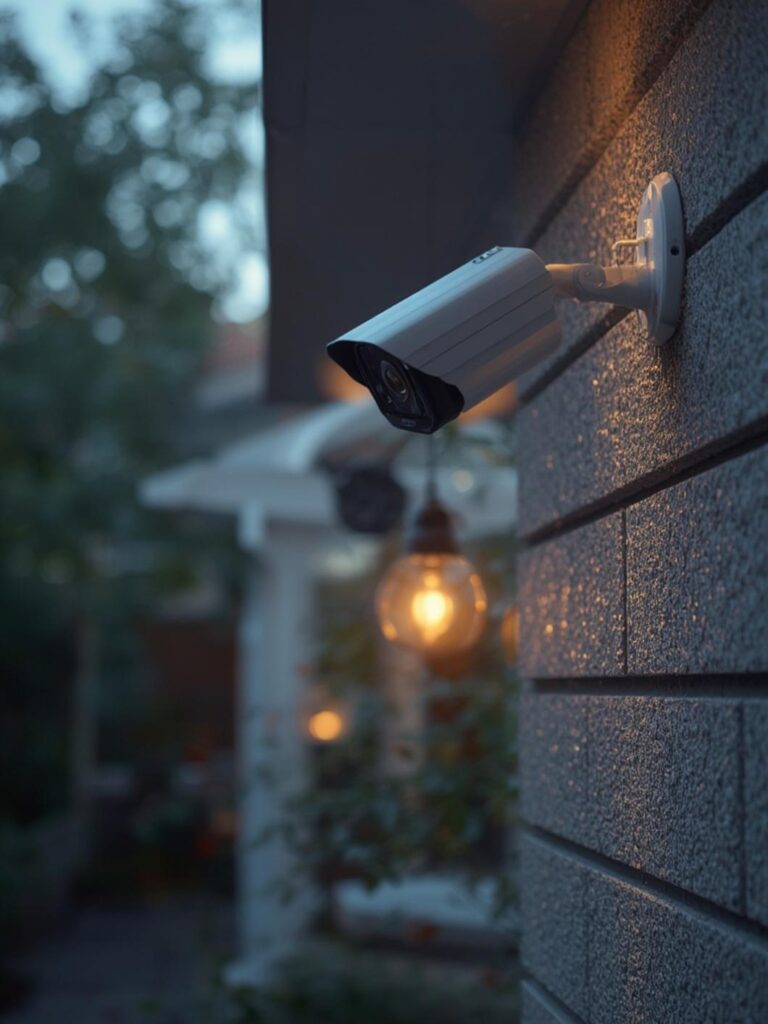
Aqara’s sensor‑first strategy outshines voice‑first systems at one thing: knowing who and what is in a room without waiting for a spoken command. Instead of starting with a voice assistant, Aqara builds from perception, using cameras, motion sensors, and millimeter‑wave radar, to decide occupancy and identity. Its NPU‑equipped cameras run person, pet, and facial recognition locally, never sending video to the cloud, and trigger automations like turning on lights when a familiar face walks in or sending an alert when an unknown visitor appears at the door.
At CES 2026 the company unveiled “spatial intelligence,” a radar‑driven multi‑sensor that tracks up to ten people in a single space and can tell whether they’re standing, sitting, or lying down. That’s a fundamentally different type of smart than a voice assistant answering a question, and it speaks Matter, Apple Home, Alexa, Google, and SmartThings, which matters if you refuse to be locked into a single ecosystem.
Whether you care more about precise presence detection or conversational control comes down to a simple question: are you more annoyed by false alarms or by having to ask out loud for things a well‑placed sensor could handle silently?
The Real Cost of Going All‑In on an AI Agent Smart Home Platform
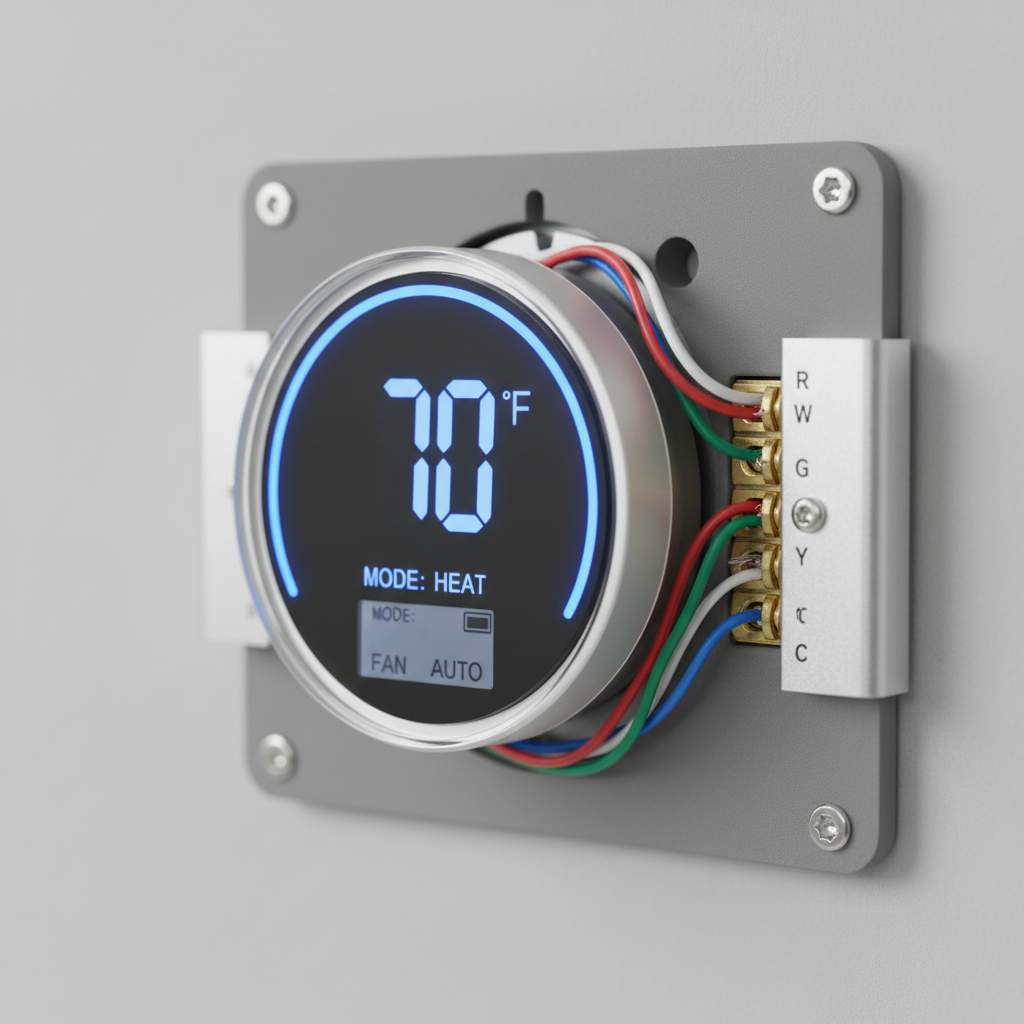
ecobee illustrates the narrow end of the spectrum: a single‑purpose AI investment rather than a whole‑home platform. In 2026 the Smart Thermostat Enhanced remains ENERGY STAR certified, and the company’s own savings analysis claims up to 26 % off heating and cooling costs compared with a static 72‑degree hold. That’s a number you can see on your utility bill, a tangible reminder that a focused AI product doing one job well can outshine a sprawling platform that does ten jobs adequately.
Pricing across the seven contenders ranges from free (Home Assistant’s core software) to several thousand dollars for a professionally installed Josh.ai or Savant system. The gap isn’t just hardware. DIY hubs like Hubitat or Homey demand time and troubleshooting, while luxury installs charge for that expertise. Choosing the right smart home hub for your budget matters more than chasing the flashiest demo, because a $150 Hubitat hub delivering solid local automations will outlast a $3,000 system no one wants to keep tweaking.
In 2026 the AI‑in‑smart‑home market was valued at $15.3 billion for 2024 and is projected to reach $104.1 billion by 2034, a 21.3% compound annual growth rate, according to InsightAce Analytic’s market report. That kind of growth suggests today’s intelligence layer owners may soon be licensing their tech to competitors, a factor worth weighing if you want to avoid getting stuck with an orphaned platform in a few years.
Frequently Asked Questions About AI Agent Smart Home Platforms
Is Alexa+ or Gemini for Home better for AI agent smart home control?
Neither is universally better. Alexa+ shines at coordinating routines across a wide range of devices, while Gemini for Home excels at handling flexible, conversational requests. Your best bet usually hinges on whether your home already leans toward Echo or Nest hardware.
Can I add an AI agent to an existing smart home hub without replacing it?
Often, yes. Home Assistant and Hubitat both let you layer AI‑assisted automation suggestions onto the devices you already own, and Aqara works across Matter, Alexa, Google, and SmartThings without demanding a full teardown.
Is Home Assistant safe and practical for a non‑technical user?
It’s powerful but not the easiest entry point. Home Assistant rewards technical comfort with deep local control and privacy, whereas a boxed hub like Hubitat or a mainstream assistant like Alexa+ gets a less‑technical household up and running faster.
Do AI agent smart home platforms keep working if the internet goes down?
It varies. Home Assistant and Hubitat run automations locally and stay functional offline. Alexa+, Gemini for Home, and Josh.ai rely on cloud processing for at least part of their AI features, so they can lose some capabilities during an outage.
How much does a whole‑home AI agent platform cost in 2026?
Costs range from free (Home Assistant’s core software plus any hardware you already have) to several thousand dollars for a professionally installed system like Josh.ai or Savant. Hub‑based options such as Hubitat or Homey typically land in the $150‑$300 bracket.
None of these seven companies is chasing the same buyer, and that’s the real takeaway. A renter with three smart bulbs and a developer building a connected‑appliance line aren’t shopping for the same AI agent, and no single platform on this list is built to serve both. Match the platform to what you already own, how much setup time you’re willing to invest, and how fiercely you guard your data, and the decision narrows quickly.
Sources
- InsightAce Analytic, “AI in Smart Home Technology Market,” 2026: insightaceanalytic.com
- GearBrain, “8 AI Agent Companies Powering the Next Generation of Smart Home Automation,” 2026: gearbrain.com
- Home Assistant, “2026.7: Automations that speak your language,” 2026: home-assistant.io
- The Ambient, “Alexa+ vs Gemini: which AI smart home assistant wins in 2026?” 2026: the-ambient.com
- ENERGY STAR, “Smart Thermostats FAQs,” 2026: energystar.gov
- ecobee, “Savings,” 2026: ecobee.com