


TL;DR: 2026 brought a whirlwind of change to voice-AI for smart homes. Alexa+ hit the million-user mark in 2025 and then went free for Prime members, while Google’s Gemini for Home spread to 16 countries and now speaks ten languages. Meanwhile, on-device options like Home Assistant Voice have quietly matured for folks who want voice control without any cloud involvement.
Today’s voice-AI assistants can parse whole sentences, remember bits of earlier conversation, and in some cases run entirely on your device without ever touching the cloud. That’s a big leap from the old “say exactly this phrase” model that only handled simple commands like “turn off the lights.” In this guide we’ll walk through what shifted in 2026, compare Alexa+ and Gemini for Home, explore why offline processing is gaining fans, and help you decide which path makes sense for your own setup.
What Is Voice AI in a Smart Home, and How Is It Different From Old Voice Assistants?
When we talk about voice AI in a smart home, we mean an assistant powered by a large language model that can understand natural, conversational requests instead of matching a rigid list of commands. Legacy systems, like early-era Alexa or Google Assistant, relied on fixed intents, so a slightly off phrasing meant the request fell flat. The new generation, built on the same tech you see in Amazon Echo Show devices and Google’s Gemini for Home, can handle multi-step prompts like “dim the living-room lights, lock the front door, and tell me if the garage is still open.”
This matters in everyday life because you no longer have to memorize a secret command set. A parent juggling grocery bags can speak naturally and still get the right result. That flexibility is why many are calling 2026 the year voice control finally stopped feeling like a gimmick and became genuinely useful for folks who never bothered with it before.
How Are Alexa+ and Gemini for Home Changing Daily Use?
Alexa+ and Gemini for Home are rewriting the daily routine by accepting longer, multi-step requests and keeping context between them, something the original Alexa and Google Assistant struggled with. Amazon’s generative-AI upgrade to Alexa crossed the one-million-user threshold by June 2025, a milestone cited by TechCrunch. Then, in February 2026, Amazon announced that Alexa+ would be free for all Prime members in the U.S., a move reported by GeekWire. That effectively placed the upgraded assistant in front of every Prime subscriber, not just a niche opt-in crowd.
Google took a similar route with Gemini for Home, the successor to the aging Google Assistant on Nest Hub and other Home speakers. As of April 2026 the rollout covered 16 countries and supported ten languages, according to 9to5Google. Whether the upgrade is worth it for you really hinges on which ecosystem already powers most of your devices.
Why Are More Homeowners Choosing Offline, On-Device Voice Processing?
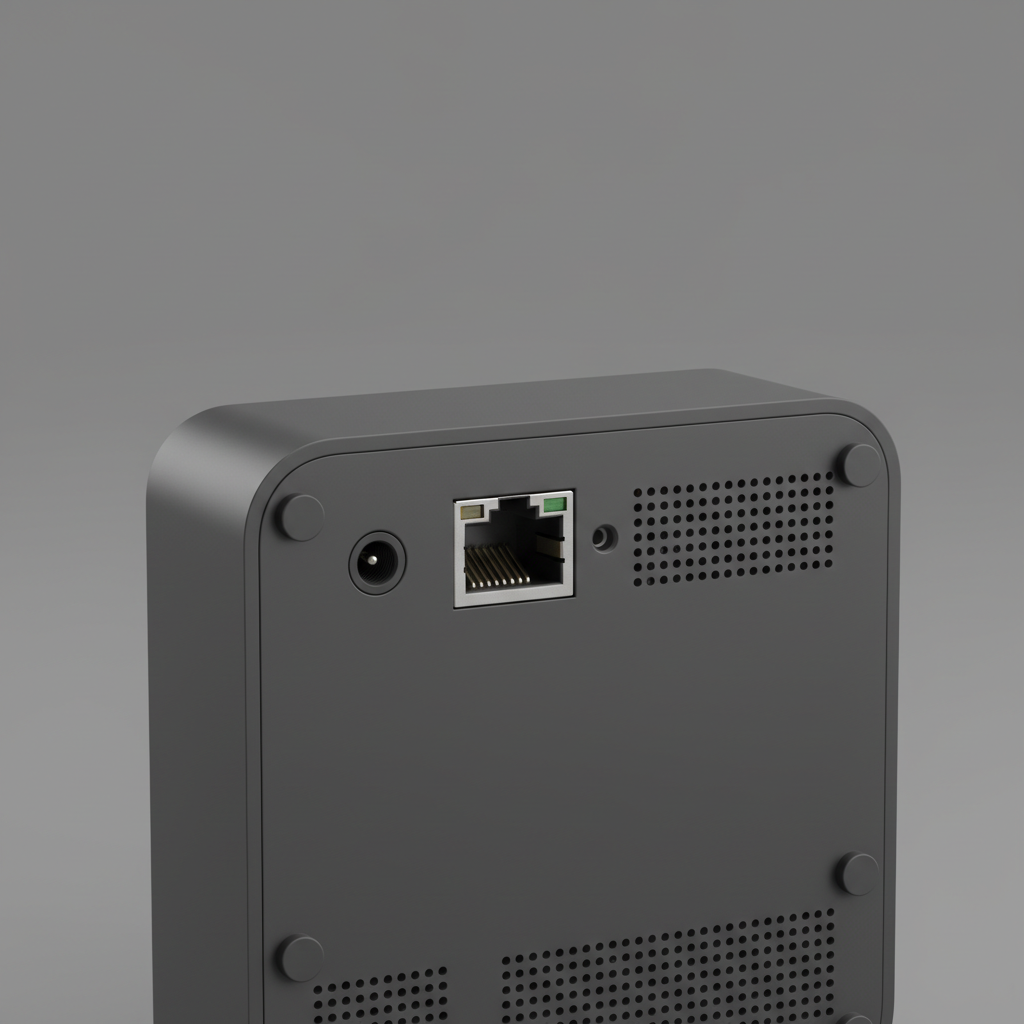
More homeowners are gravitating toward offline, on-device voice processing because it keeps audio recordings out of corporate servers and ensures core commands still work during an internet outage. Projects like Home Assistant Voice Preview Edition handle wake-word detection and speech-to-text locally, meaning nothing is sent off-device unless you explicitly ask for it, as explained in Home Assistant’s own documentation.
This niche isn’t mainstream yet, but it’s growing. Cloud-based assistants such as Alexa+ and Gemini for Home remain the workhorses for most households because they boast far richer third-party integrations. Still, the privacy trade-off is tangible: every phrase spoken near a cloud-connected speaker technically leaves your home. For anyone uneasy about that, a local setup built around Home Assistant Voice Preview Edition has become approachable without needing a deep technical background.
Multi-Language and Context-Aware Voice Control
Multi-language support has graduated from a nice-to-have checkbox to a foundational piece of these assistants. Gemini for Home added seven languages during its spring 2026 expansion (French, German, Japanese, and more), bringing the total to ten across sixteen countries. Families with mixed language backgrounds, or caregivers who speak a different first language than the homeowner, feel the benefit straight away.
Context awareness is the other game-changer. Instead of treating each utterance as a stand-alone request, both Alexa+ and Gemini for Home can reference something you said moments earlier. Ask “what’s the weather?” followed by “what about tomorrow?” and the assistant knows you’re still talking about the forecast. It sounds subtle, but it erases a daily irritation that drove many people to abandon voice control altogether.
Voice AI Smart Home Platforms Compared
The table below lines up the three main routes available to U.S. households in 2026: Amazon’s Alexa+, Google’s Gemini for Home, and the local-first Home Assistant Voice option.
| Platform | Processing | Languages (2026) | Monthly Cost | Best For |
|---|---|---|---|---|
| Alexa+ | Cloud | English (expanding) | Free with Prime, $19.99 without | Existing Echo households |
| Gemini for Home | Cloud | 10 languages, 16 countries | Free | Nest and Google Home users |
| Home Assistant Voice | Local/on-device | Varies by build | One-time hardware cost | Privacy-focused, offline-first users |
Alexa+ being free for Prime members is a bigger deal than it first looks: Prime already counts over 200 million U.S. subscribers. Gemini for Home currently leads in sheer language coverage. Home Assistant Voice is the outlier: it may need a larger upfront hardware spend and a bit of setup, but it never relies on a subscription staying alive.
Is Voice AI Smart Home Tech Worth Setting Up Right Now?
If you already own compatible speakers or hubs, the answer is a clear yes. Both Alexa+ and Gemini for Home arrive as free software upgrades for most existing Echo and Nest owners. Starting from scratch is a different story. A full new setup (speakers, smart locks, plugs, a hub) still runs a few hundred dollars before you even add the AI layer.
For renters or anyone who moves often, a self-contained unit like a Google Home Speaker offers the lowest-friction entry point, since it needs no wiring or dedicated hub. Ultimately, ask yourself: do you want to talk to your house, or would a quick tap in a phone app feel just as natural? Many people only fire up their smart speakers for music and the weather and never use voice for anything else.
How Do You Get Started With Voice AI in Your Smart Home?
Getting rolling means picking an ecosystem first, then layering compatible devices on top, rather than buying gadgets and hoping they’ll play nice later. If most of your gear already sports the Alexa or Google Home badge, sticking with that platform’s new AI assistant is the path of least resistance. Dive deeper in our breakdown of how Alexa+ and Gemini are redefining home automation for a closer look at each assistant’s strengths.
If you’re building from the ground up and privacy tops your list, start with the local-first AI smart home platforms that keep processing on your own network. Whichever route you choose, double-check device compatibility lists before you buy: some smart plugs or locks still lag behind the latest voice platforms.
Common Mistakes to Avoid When Adding Voice AI
The biggest misstep is grabbing speakers before confirming that your existing smart home devices support the newer AI assistant, not just the legacy command-based version. A two-year-old smart lock might work fine with classic Alexa but lack the firmware needed for Alexa+’s expanded features. Always peek at the manufacturer’s compatibility page instead of assuming.
The second pitfall is overlooking microphone mute switches and activity logs. Cloud assistants keep a record of voice requests by default, and most people never open the app to review or delete that history. It only takes five minutes to locate those settings, five minutes most households skip.
Frequently Asked Questions
Does voice AI smart home tech record everything I say?
No. Cloud assistants like Alexa+ and Gemini for Home only start recording after hearing their wake word, and both provide settings to review or auto-delete voice history. Local, on-device systems such as Home Assistant Voice process audio on the device itself and typically don’t transmit recordings anywhere by default.
Can I use voice AI smart home devices without Wi-Fi?
Cloud-based assistants like Alexa+ and Gemini for Home need an internet connection for most requests. Local-first systems such as Home Assistant Voice Preview Edition can handle wake-word detection and basic commands offline, which is the main draw for many users.
Which is better in 2026, Alexa+ or Gemini for Home?
Neither is universally superior. Alexa+ makes sense if you already own Echo devices and live in the Amazon ecosystem. Gemini for Home currently leads on language support, covering ten languages across sixteen countries as of April 2026, making it a stronger choice for multilingual households.
How much does a voice AI smart home upgrade cost?
For existing Echo or Nest owners, both Alexa+ and Gemini for Home are free software upgrades. Prime members get Alexa+ included with their subscription; non-Prime users pay $19.99 per month. Gemini for Home is free for compatible Google device owners.
Will my old smart home devices still work with new voice AI assistants?
Most existing Matter, Zigbee, and Wi-Fi devices keep functioning after an assistant upgrade, though some advanced AI features may require newer firmware. Check your device maker’s support page before assuming full compatibility with Alexa+ or Gemini for Home.
The Bottom Line
Voice AI for smart homes stopped feeling like a novelty in 2026. Alexa+ and Gemini for Home moved from limited previews to mass-available services within a single year, while offline alternatives matured enough for privacy-focused households to skip the cloud entirely. For the latest adoption numbers and how voice control fits into the broader market, see our current smart home adoption statistics. The pragmatic move is simple: audit what your current devices already support before splurging on new gear, because most of this upgrade wave arrives as free software, not fresh hardware.
Sources
- TechCrunch, “Over a million people now have access to the gen-AI powered Alexa,” 2025. https://techcrunch.com/2025/06/23/over-a-million-people-now-have-access-to-the-gen-ai-powered-alexa/
- GeekWire, “Amazon rolls out Alexa+ to all U.S. customers, making its AI assistant free for Prime members,” 2026. https://www.geekwire.com/2026/amazon-rolls-out-alexa-to-all-u-s-customers-making-its-ai-assistant-free-for-prime-members/
- 9to5Google, “Google Home expands Gemini access globally as the Assistant replacement improves,” 2026. https://9to5google.com/2026/04/08/google-home-expands-gemini-access-globally-as-the-assistant-replacement-improves/
- Home Assistant, “Voice Preview Edition” official documentation. https://www.home-assistant.io/voice-pe/
- Google Support, “Get started with Gemini for Home features.” https://support.google.com/googlehome/answer/16613534?hl=en