
AI‑driven smart homes are evolving at breakneck speed. On‑device processing, predictive automation, and generative assistants are already displacing the tap‑app‑tap‑app routine we’ve known for years. Look ahead to 2032, and most everyday home decisions (think thermostat tweaks or grocery reorders) will happen without you ever opening an app. This guide breaks down what’s changing, the price tags involved, and how you can get ready.
In short, the shift is moving from reactive gadgets to systems that can guess what you need before you do. Instead of programming a schedule for your thermostat or lock, AI models that have learned your household habits will make those calls on their own. You’ll only step in to approve, override, or fine‑tune. The trend is already visible in 2026, and the next six years will decide just how far it goes.
What Will AI Smart Home Trends Look Like by 2032?
By 2032, a smart home will feel less like a shelf of stand‑alone devices and more like a single, coordinated brain humming in the background. Fortune Business Insights values the global smart home market at $180.12 billion in 2026 and projects it will swell to $848.47 billion by 2034, a 21.40 % compound annual growth rate. Those numbers tell a story beyond hardware sales; they point to a growing subscription‑based intelligence layer sitting on top of once‑off purchases.
Zoom in on AI, and the curve steepens dramatically. Research and Markets puts the AI in home automation market at $34.57 billion in 2026, racing toward $97.05 billion by 2030 with a 29.4 % CAGR. For a sense of how fast the category has moved, check out our smart home adoption and market data breakdown, which tracks the leap from novelty to household staple in the U.S.
How Is Generative AI Changing Smart Home Assistants?
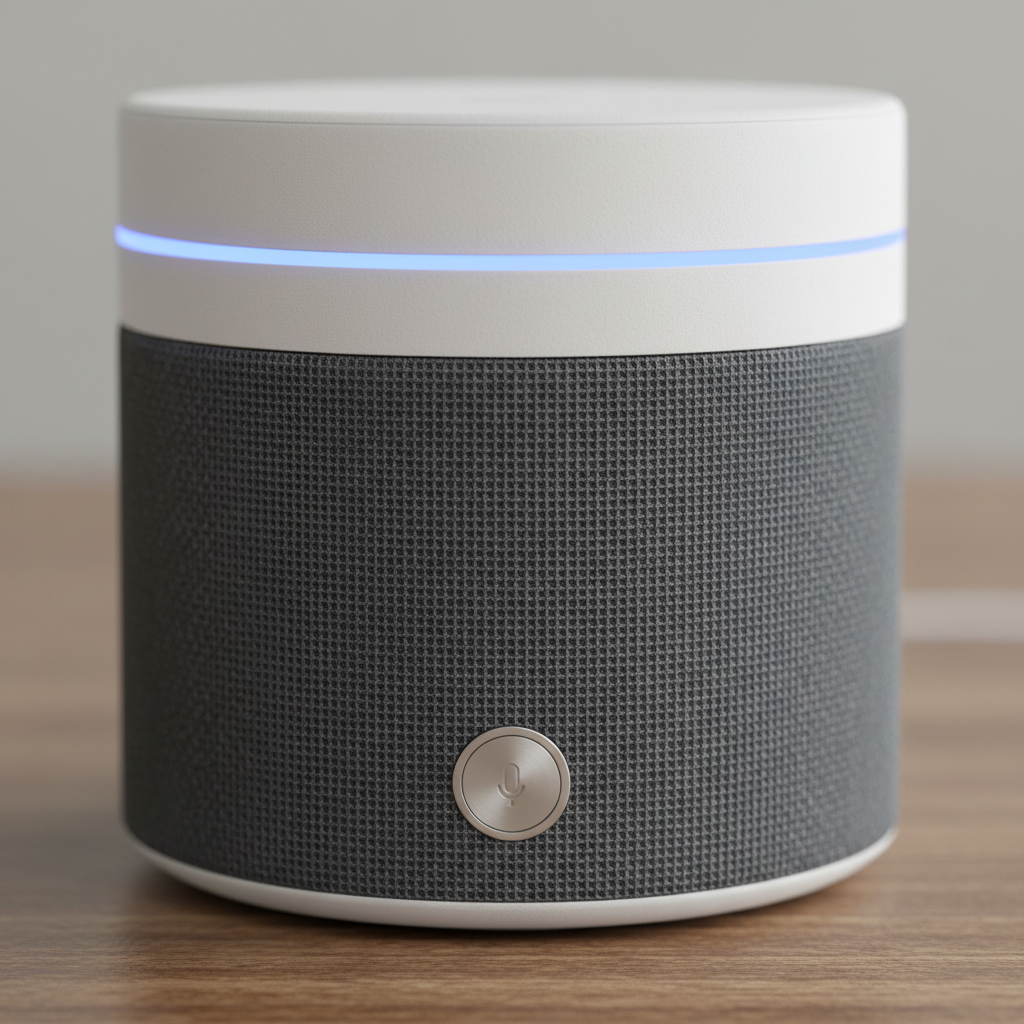
Generative AI is turning smart assistants into genuine conversational partners. Gone are the days when you had to say the exact phrase (“turn on kitchen lights”) to get a response. Today, Amazon’s Alexa+ or Google’s Gemini for Home can understand casual requests like “it’s a bit dark for movie night” and automatically decide which lights to dim and by how much.
This matters because friction kills adoption. A 2026 review of AI‑agent platforms showed that households ditch automations within weeks when setup feels like a tech‑support nightmare, a pattern we highlighted in our guide to AI agent smart home platforms. Generative interfaces ease that pain by letting the assistant infer intent, sparing you from building rigid if‑this‑then‑that rules. Whether that convenience justifies the extra cloud reliance and subscription fees is a question worth asking before you sign up for another monthly charge.
Why Is Edge AI Replacing Cloud Processing in Smart Homes?
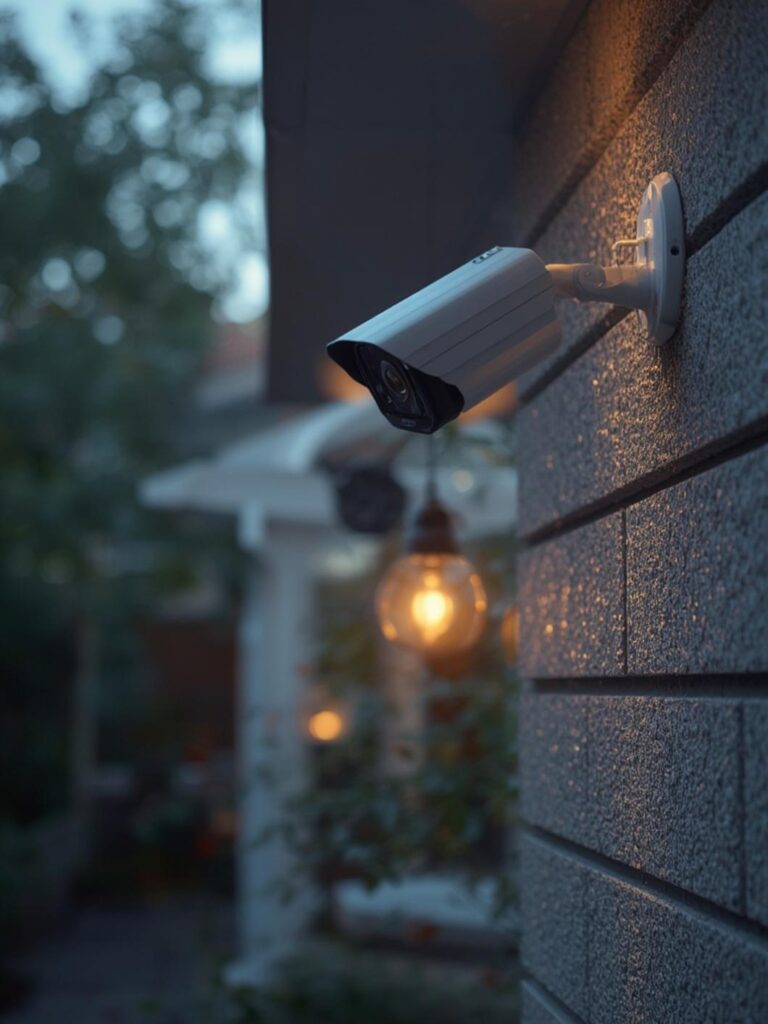
Edge AI is taking over because processing locally slashes latency, trims ongoing costs, and keeps sensitive data (like camera footage) away from remote servers. At CES 2026, chipmakers made the move unmistakable: Intel introduced its Core Ultra Series 3 platform for on‑device AI, Qualcomm expanded its Snapdragon and Dragonwing edge AI lines, and AMD rolled out the Ryzen AI 400 series, capable of up to 60 trillion local AI operations per second. All of these are aimed squarely at appliances and gadgets, not data centers, as reported by PYMNTS’ January 2026 coverage of the show.
For homeowners, the upshot is simple: cameras and hubs now process video and voice right on the device instead of streaming everything to the cloud first. Our local‑first AI smart home platforms guide spells out which products already do this. Cloud AI isn’t disappearing. It still does the heavy‑lifting training and cross‑device coordination. But the day‑to‑day decisions, motion detection, voice parsing, and presence sensing are moving onto the hardware sitting in your living room.
Predictive Energy Management Is Cutting Real Power Bills
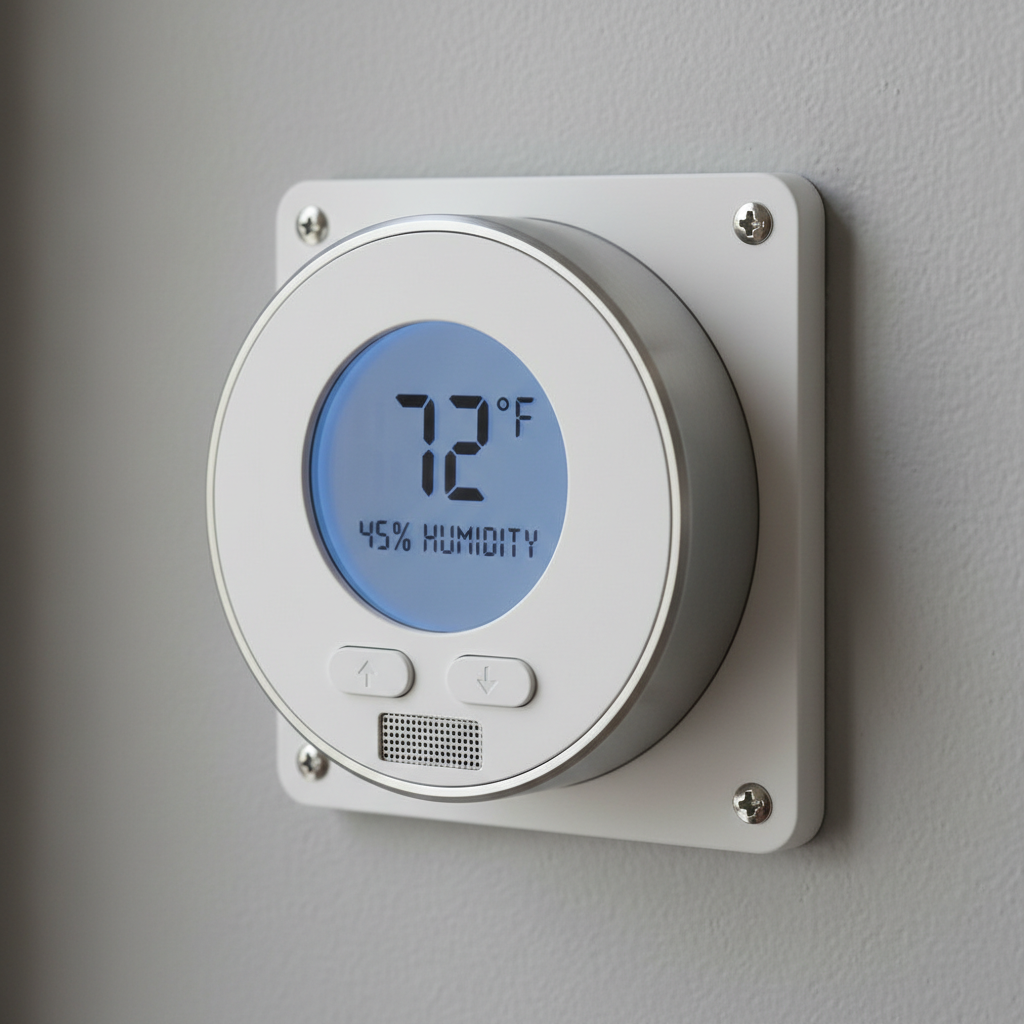
Predictive energy management trims electricity bills by shifting appliance and HVAC usage into cheaper, lower‑demand windows, before you even think about it. Instead of a static schedule, systems like ecobee thermostats now blend occupancy patterns, weather forecasts, and utility rate data to pre‑cool or pre‑heat your home ahead of peak‑price periods. Our predictive AI smart home guide walks through how this differs from the decade‑old “smart schedule” approach most thermostats have used.
Utilities are nudging this trend, too, because demand‑response programs actually pay households to shift usage off‑peak. Still, the savings hinge on your local rate structure. A flat‑rate plan won’t reap much benefit from load‑shifting software, so it’s worth checking whether your utility offers time‑of‑use pricing before you expect big savings from a predictive thermostat upgrade.
Cloud AI vs Edge AI vs Hybrid Smart Homes: Which Approach Wins?
Pure cloud AI and pure edge AI each have strengths, but neither outright dominates. Most 2026‑era devices already run a hybrid model, and that split will only deepen as hardware gets cheaper and more capable through 2032.
| Approach | Where Processing Happens | Main Advantage | Main Tradeoff |
|---|---|---|---|
| Cloud AI | Remote data centers | Access to the largest, most capable models | Higher latency, ongoing internet dependency |
| Edge AI | On the device itself | Faster response, better privacy, works offline | Limited to smaller, less capable models |
| Hybrid AI | Split between device and cloud | Balances speed and capability | More complex to design and secure |
For most households, the real decision isn’t “cloud vs. edge” but which hybrid product splits the workload responsibly. Look for devices that clearly spell out what stays local (usually motion and voice detection) versus what gets sent to the cloud (typically complex natural‑language requests). That line will matter more (and not less) as AI smart home trends push decision‑making deeper into the home.
Is Matter Finally Fixing Smart Home Compatibility?
Matter is definitely moving the needle, but it hasn’t solved every compatibility hiccup yet. As of early 2026, the independent tracker matter‑smarthome.de lists over 750 Matter‑certified products, with big names like Ikea, Aqara, Bosch, and Philips Hue expanding their Thread‑based lineups. New Thread border routers now must certify against Thread 1.4 (effective Jan 1 2026), a step meant to curb the network fragmentation that has frustrated early adopters.
The catch? Amazon, Google, and Apple roll out the standard at different paces. Some ecosystems linger on Matter 1.2 while others already support 1.5, so a “Matter‑certified” badge doesn’t guarantee identical feature sets across the board. The Connectivity Standards Alliance, which governs Matter, keeps nudging platform vendors toward faster, more uniform adoption. Our Matter smart home devices setup guide highlights which products truly play nicely across all three major ecosystems, a shorter list than the marketing hype suggests.
AI-Driven Homes Carry Real Privacy Risks
AI‑powered homes pose genuine privacy concerns because always‑listening, always‑watching devices create a continuous record of household behavior, one that becomes increasingly valuable (and sensitive) as AI gets better at interpreting it. Deloitte’s 2023 Connected Consumer Survey found that 62 % of smart‑home users worry about data security and privacy, with smart speakers topping the list at 73 % concern. Those figures are from 2023, and public comfort with AI‑driven data collection has only grown more skeptical since.
Edge AI helps by keeping raw video and audio out of remote servers, but it doesn’t erase risk entirely. Hubs and apps still sync some data to coordinate devices, so digging into a product’s actual data‑retention policy (rather than just its marketing page) is the only reliable way to know what a camera or speaker stores and for how long.
How to Prepare Your Home for the AI Smart Home Trends of 2032
Getting ready for 2032 starts with buying hardware that already supports Matter and Thread, instead of locking yourself into a proprietary ecosystem that might disappear with the next platform shift. A SimpliSafe or Arlo security system built on open standards will likely outlast a closed‑system, even if the latter looks shinier today.
Next, prioritize devices that process data locally when privacy matters most, especially cameras and microphones. A Roborock vacuum or Philips Hue lighting rarely need cloud access for core functions, so verify that local control is offered before assuming you’ll be tethered to the cloud. Finally, be realistic about subscriptions. Many AI features that were once free are shifting to monthly fees as companies cover the compute behind generative assistants. So factor that ongoing cost into any purchase decision, not just the sticker price.
Frequently Asked Questions
Will AI smart home trends make current devices obsolete by 2032?
Most current Matter and Thread‑certified devices should keep working, thanks to the standard’s backward‑compatibility design. Proprietary, cloud‑only gear without Matter certification carries a higher risk of losing support as manufacturers pivot to newer platforms.
Is edge AI more secure than cloud AI for smart homes?
Edge AI does limit exposure by keeping raw sensor data on‑device, but it isn’t automatically more secure. A poorly protected local device can still be compromised. Security hinges more on update practices and encryption than on where the processing occurs.
How much does a predictive AI thermostat save on energy bills?
Savings vary by climate, home insulation, and local utility rate structures. Homes on time‑of‑use electricity plans usually see the biggest gains, because predictive systems can shift usage away from peak‑price windows.
Do I need a smart home hub for AI features to work in 2026 and beyond?
Increasingly, no. Many AI capabilities now run directly on individual devices or via phone apps, though a Thread border router (often built into hubs, smart speakers, or certain routers) still helps devices talk to each other reliably.
Which smart home ecosystem is safest to invest in for the long term?
Ecosystems built around open standards like Matter and Thread pose less long‑term risk than closed, single‑vendor platforms, because they don’t rely on one company’s continued support to stay functional.
The Bottom Line
AI smart home trends from now until 2032 point toward less visible tech, not more. The winners will be systems that quietly make the right decisions, using local processing for speed and privacy while reserving the cloud for the heavy‑lifting reasoning tasks. Buying into open standards today is the safest bet to avoid getting locked out of that shift later.
Sources
- Fortune Business Insights, “Smart Home Market Size, Share & Forecast Report, 2032” (2026): fortunebusinessinsights.com
- Research and Markets, “AI in Home Automation Market Report 2026” (February 2026): researchandmarkets.com
- PYMNTS, “Edge AI Is Gaining on the Cloud” (January 7, 2026): pymnts.com
- matter-smarthome.de, “The Matter Standard in 2026: A Status Review” (January 3, 2026): matter-smarthome.de
- Connectivity Standards Alliance, “Matter” official solution page: csa-iot.org
- Deloitte, “Data privacy and security worries are on the rise, while trust is down,” Connected Consumer Survey (2023): deloitte.com