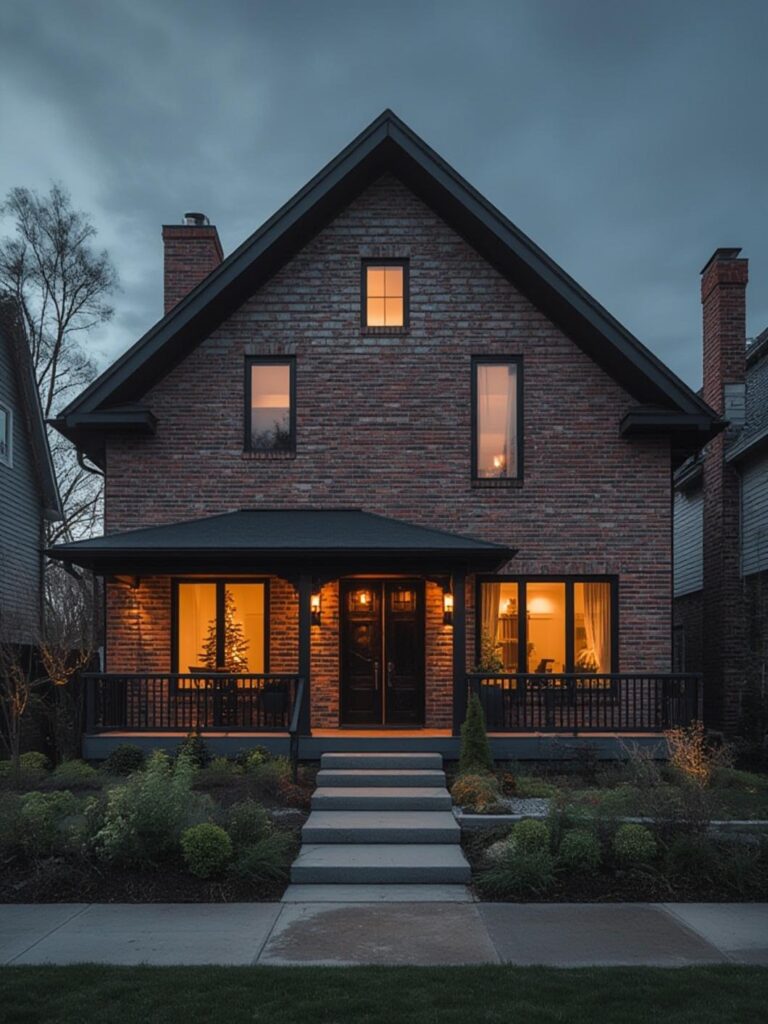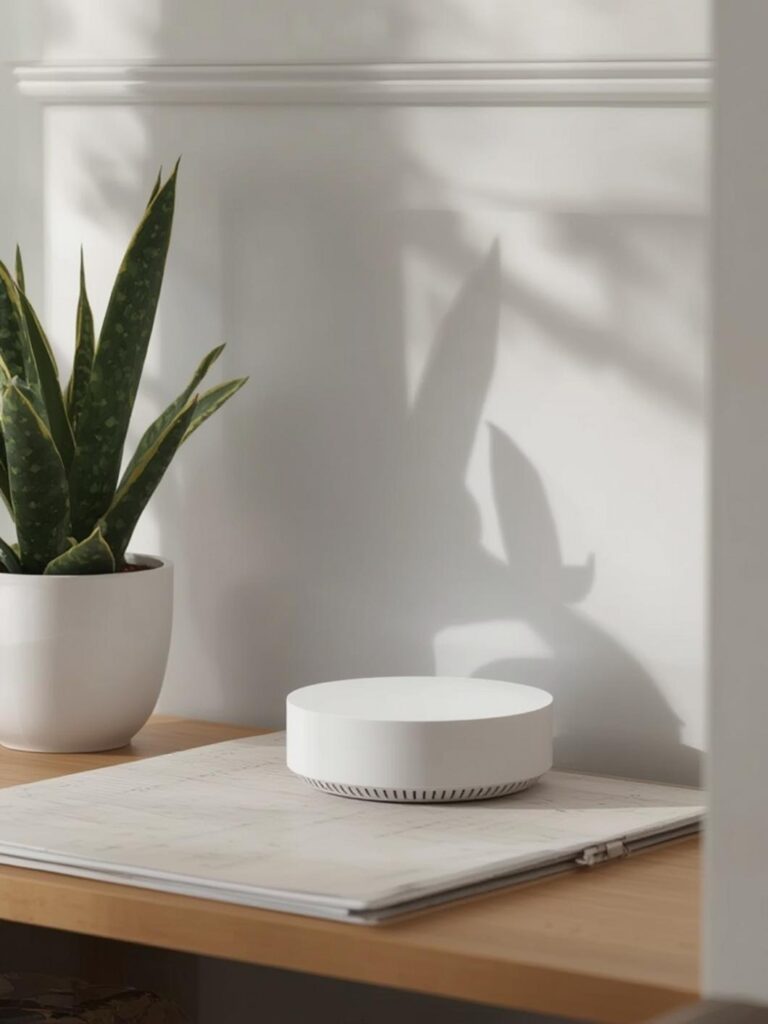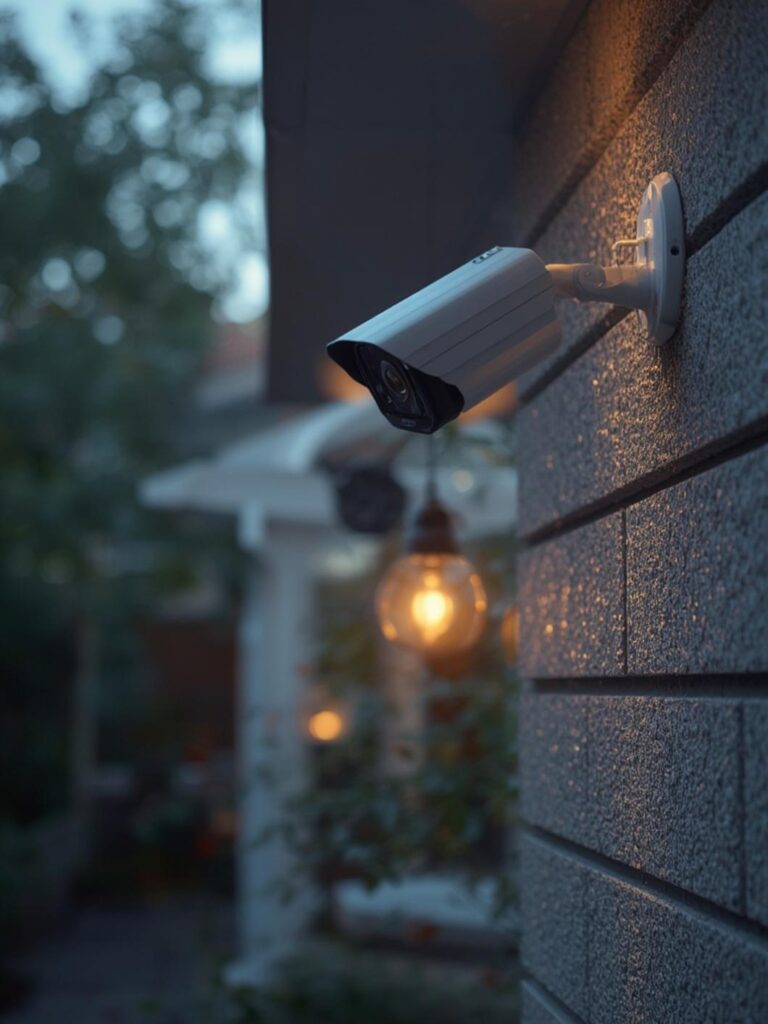


TL;DR: AI fall detection turns ordinary smart home devices into a safety net for aging parents and grandparents. Wearables, cameras, and voice hubs now recognize falls, unusual inactivity, and emergencies, then alert family or monitoring centers within seconds. This guide compares the leading options, real costs, and what to check before you buy.
Table of Contents
A parent living alone used to mean a weekly phone call and a lot of hoping for the best. That has changed. AI fall detection systems, wearable sensors, and smart home hubs now watch for the signs that something is wrong: a sudden fall, a door left open at 3 a.m., or a bathroom light that never turns on in the morning. For families spread across different cities, these tools have become one of the more practical ways to support an aging relative without moving in with them.
This guide breaks down how AI fall detection actually works, which devices are worth buying in 2026, what the monthly costs look like, and where the privacy trade-offs sit. It draws on the same categories of smart home hardware, Ring, Nest, Arlo, ecobee, and SimpliSafe, that already show up across most modern homes, so you are not necessarily buying an entirely new ecosystem.
What Is AI Fall Detection and How Does It Work?
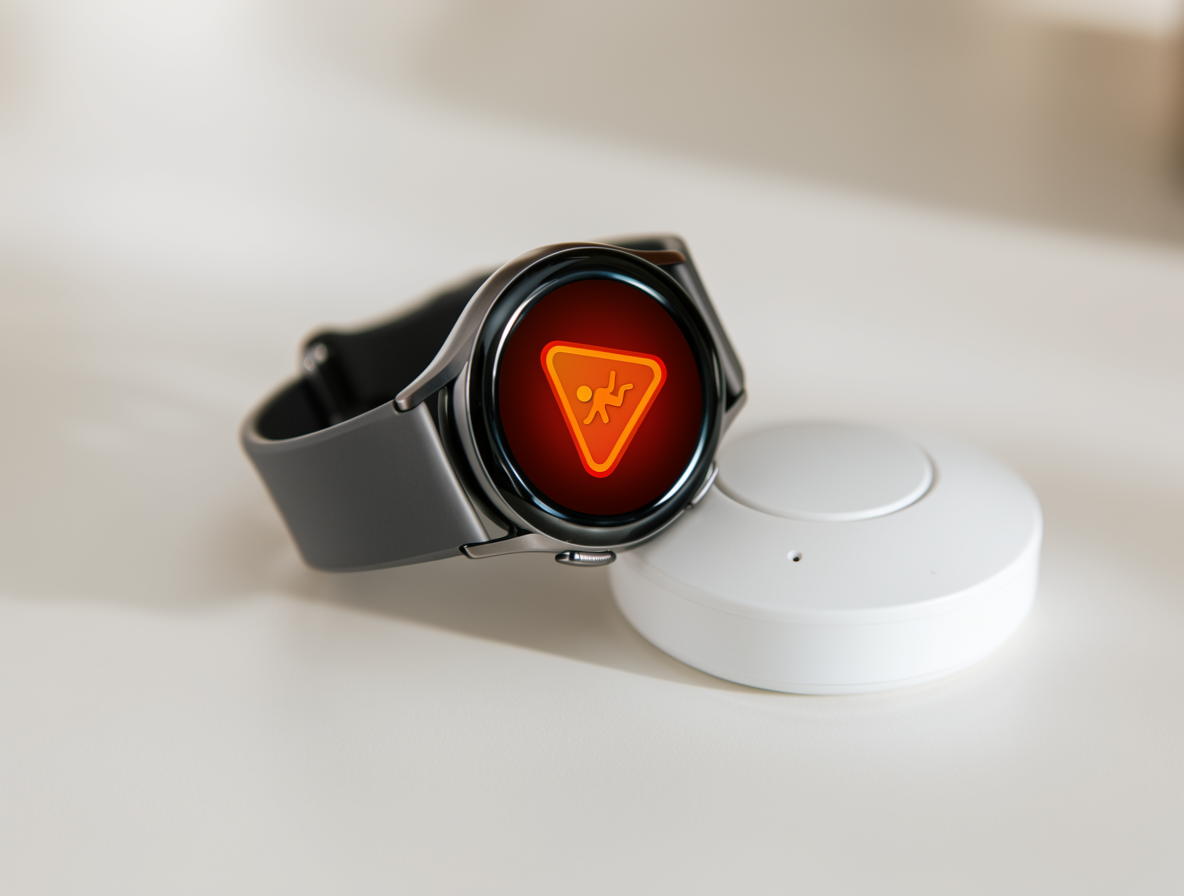
AI fall detection uses sensors, either worn on the body or built into a room, combined with a machine learning model trained to recognize the motion pattern of a fall. A wearable like a smartwatch tracks sudden acceleration followed by a period of stillness. A camera or radar-based sensor watches body posture and speed of movement. When the pattern matches a fall profile, the device triggers an alert, sometimes after a short countdown that lets the wearer cancel a false alarm.
The more advanced systems go further than fall detection alone. They build a baseline of a person's normal daily routine: when they usually wake up, how often they move between rooms, how long they spend in the kitchen. Once that baseline exists, the AI can flag deviations, like no movement detected by 11 a.m., that suggest a problem even without a clear fall event. That shift from reacting to a single incident toward monitoring a pattern of behavior is what separates 2026-era systems from the panic-button pendants of a decade ago.
Why Are Families Turning to AI-Powered Aging-in-Place Monitoring in 2026?
Falls remain the leading cause of injury among older adults, and more than one in four adults over 65 falls each year, according to the CDC's fall statistics for older adults. Many of those falls go unreported to a doctor, which means families often only learn about a close call after the fact. AI monitoring closes that gap by creating a record and an alert trail that does not depend on the person remembering to mention it.
There is also a strong preference among older adults to stay in their own homes rather than move into assisted living. The National Institute on Aging's guidance on aging in place notes that planning ahead for safety and support is what makes staying at home realistic long term, rather than something that quietly becomes unsafe. AI-driven monitoring is one of the more affordable ways to make that plan work, especially compared to the cost of in-home caregiving or a move to a care facility.
Top AI Fall Detection and Smart Monitoring Devices Compared
Most families do not need a specialized medical device to get started. A mix of a wearable and a couple of smart home sensors covers the majority of use cases. The table below compares five widely available options and what each one is actually good at.
| Device | Best For | AI Detection Capability | Typical Monthly Cost | Where to Check Pricing |
|---|---|---|---|---|
| Apple Watch Series 10 | Active seniors who will actually wear it | Built-in hard fall and crash detection with automatic emergency call | $0, cellular plan optional | View on Amazon |
| Amazon Echo Show 10 | Voice-first households that want check-in routines | Activity reminders and Alexa Together emergency alerts | Around $19.99/mo for Alexa Together | View on Amazon |
| SimpliSafe Home Security System | Whole-home safety plus fall alert add-ons | Motion sensors and smart alerts with professional monitoring option | $0.50 to $28/mo depending on plan | View on Amazon |
| Ring Alarm Pro | Families who also want stronger home Wi-Fi | Motion detection, video verification, built-in eero mesh router | $4 to $20/mo | View on Amazon |
| Google Nest Cam (battery) | Remote video check-ins | AI person and familiar-face alerts, activity zone monitoring | $8 to $15/mo for Nest Aware | View on Amazon |
Arlo Essential cameras and ecobee SmartSensors are also worth a look if you already have either ecosystem installed, since both now support activity-pattern alerts through their respective apps. If you are starting from scratch and already have a hub in mind, our Best Smart Home Hubs 2026 guide walks through which hub fits which brand mix.
How Much Does AI-Powered Aging-in-Place Monitoring Cost?
A realistic starter setup, one wearable plus one or two sensors with basic monitoring, usually runs between $15 and $40 a month once you account for subscription fees, on top of a one-time hardware cost of $150 to $400. Full professional monitoring with 24/7 emergency dispatch pushes the monthly cost higher, closer to $30 to $50. That is still meaningfully cheaper than home health aide visits, which commonly run into the thousands per month depending on hours needed.
Homeowners insurance can offset part of the cost too. Several major insurers now offer discounts of 5% to 20% for homes with monitored security systems, and some have started extending similar discounts to homes with monitored smart water and smoke sensors. It is worth calling your insurer directly, since the size of the discount and which devices qualify varies a lot by provider and by state.
Does AI Fall Detection Actually Reduce Hospitalizations and ER Visits?
The honest answer is that it helps most with response time, not prevention. An AI system does not stop someone from falling. What it does is cut the time between the fall and help arriving, which matters enormously, since lying on the floor for hours after a fall is one of the biggest predictors of a bad outcome. Research summarized by the NIH's CART initiative on in-home sensor research points in the same direction: continuous, passive monitoring catches problems earlier than periodic check-ins ever could.
One real limitation worth naming directly: wearable fall detection only works if the person actually wears the device, and compliance among older adults is notoriously inconsistent, especially in the shower or overnight. That is the strongest argument for pairing a wearable with at least one passive sensor, like a motion detector or smart camera, that does not depend on anyone remembering to put something on.
Setting Up an AI-Monitored Smart Home for an Aging Parent
Start with the rooms where falls are most likely: bathrooms, stairs, and the path from bedroom to kitchen. A motion sensor or camera in each of those spots, paired with a wearable for anywhere outside the house, covers most real scenarios without turning the home into a surveillance project. Voice control matters more here than in a typical smart home, since it lets someone call for help without finding a phone or pressing a button, and our Voice AI Smart Home Guide covers how to set up hands-free emergency phrases.
Compatibility is the detail people skip and then regret. Before buying anything, check whether the devices you are considering speak the same smart home standard, particularly Matter, so a hub outage or an app that stops working does not leave a parent without coverage. Our Matter Smart Home Devices Setup Guide explains what to check before you buy across brands. It is also worth reviewing dedicated camera options directly, since not every camera brand handles activity alerts the same way; our AI Security Cameras review compares how several models handle false alarms.
What Privacy and Data Concerns Should Families Consider?
Continuous monitoring means a camera or sensor is recording someone's daily routine, which raises a fair question about who has access to that footage and how long it is kept. Read the retention policy before buying, not after. Some services keep clips for 30 days by default and charge extra for longer storage, while others delete footage automatically unless an alert is triggered.
The other conversation worth having up front, with the person being monitored, is consent. Installing cameras in an aging parent's home without a real conversation about what is being watched and why tends to damage trust, even when the intent is entirely protective. Framing it as a shared safety plan rather than surveillance tends to go over far better in practice.
Frequently Asked Questions
Do I need a medical alert pendant if I already have a smartwatch?
Not necessarily. A modern smartwatch with fall detection covers a lot of the same ground as a pendant, as long as the wearer keeps it charged and actually wears it daily. Pendants still make sense for people who resist wearing a watch or need a simpler single-button design.
Will AI fall detection work without Wi-Fi?
Most wearables use cellular or Bluetooth-to-phone connections and can call for help without home Wi-Fi. Camera-based and hub-based sensors generally do need a working internet connection to send alerts, so a battery backup and a stable connection are worth checking during setup.
How accurate is AI fall detection, really?
Accuracy has improved a lot since early pendant systems, but false alarms and missed detections still happen, particularly with slow falls or falls onto soft furniture. Pairing a wearable with a passive sensor reduces the chance that both miss the same event.
Can adult children monitor a parent's smart home remotely?
Yes. Most of these systems include a companion app that shares alerts and activity summaries with family members, not just the person living in the home, which is usually the main reason families adopt them in the first place.
Is professional monitoring worth the extra cost?
It depends on how quickly family members can realistically respond. Professional monitoring guarantees a 24/7 response even if nobody in the family picks up the phone, which matters most for people living alone with no nearby relatives.
None of this requires replacing an existing smart home setup. It usually means adding one or two purpose-built sensors and being deliberate about where they go. The payoff, for most families, is fewer unanswered calls and a lot less guessing about how someone is really doing.