5 Essential Upgrades for Smart Home Security Systems 2026
Tags: home internet, Home Security, Smart Home, smart home security systems 2026, Technology, Wi-Fi
If you still rely on a basic camera and a loud siren, you leave your home vulnerable. Smart home security systems 2026 bring real changes to how we protect our houses. I have tested dozens of setups over the last year, and the tech finally matches the promises. Therefore, it is time to rethink your setup. You need equipment that actually prevents crime instead of just recording it.
For years, home security meant mounting a dumb camera and praying it recorded the thief’s license plate. Passive recording only helps after the damage occurs. As a result, manufacturers completely redesigned their flagship products. You no longer need ten different apps to manage your front door. Our complete smart home security guide explains the basics, but today I want to focus on the newest tech. These devices anticipate problems and respond autonomously. Here are the top upgrades for smart home security systems 2026.
The Evolution of Smart Home Security Systems 2026
Technology moves fast. Therefore, the hardware you bought in 2023 already feels dated. The newest devices process data locally and recognize threats much faster. Older cameras depend heavily on cloud servers, which creates annoying lag. However, the latest smart home security systems 2026 process video directly on the device. This shift is a big deal. You get instant alerts without paying a monthly subscription fee for cloud storage. You also prevent hackers from disabling your cameras by taking down your internet connection.
In addition, interoperability no longer causes headaches. The Matter standard finally unifies competing ecosystems. You can mix devices from different brands without worrying about compatibility. When you build your network, you choose components based on quality, not brand loyalty. As a result, you gain true control over your data and your network. I remember waiting ten seconds for a light to turn on—those days are over. Your automations actually execute when you need them to.
Upgrade 1: Edge AI Cameras for Smart Home Security Systems 2026
Cloud-dependent cameras belong in the past. Edge AI is the most important upgrade for smart home security systems 2026. These cameras run complex algorithms directly on the device. Therefore, they distinguish between a stray dog and an intruder instantly. You eliminate the endless notifications triggered by blowing branches.
Consider the Arlo Secure 5 Ultra ($349). It has a dedicated neural processing unit. This hardware allows the camera to identify threats in under 200 milliseconds, which I find incredibly fast. In addition, the camera stores 30 days of encrypted footage locally on the hub. You keep your privacy intact. The Eufy 4G S330 offers similar local processing for off-grid properties. It costs $249 and runs entirely on solar power, making it my top pick for remote cabins.
Edge AI also ensures your security system works during an internet outage. Traditional cameras fail when burglars cut your broadband line. However, edge devices continue recording and alerting you via cellular backup. This reliability makes edge AI necessary for smart home security systems 2026. CNET’s recent camera tests confirm that edge processing drastically reduces false alarms.
Privacy concerns dominated tech headlines last year. Homeowners rightfully worry about strangers viewing their private feeds. Because the camera processes video locally, it never uploads your raw footage to a distant server. You keep absolute ownership of your data. In addition, local processing guarantees instant reaction times. Cloud cameras often suffer from a five to ten second delay. During a break-in, those seconds matter. Edge AI eliminates that latency, which gives me serious peace of mind.
Upgrade 2: Matter-Enabled Sensors in Smart Home Security Systems 2026
Fragmented smart homes cause endless frustration. You probably own a mix of Zigbee, Z-Wave, and Wi-Fi sensors. Therefore, you juggle multiple apps just to check your windows. The Matter protocol solves this chaos. Matter provides a universal language for smart home security systems 2026. It allows devices from different brands to communicate without issues.
Look at the Aqara Presence Sensor FP2 ($79). It uses millimeter-wave radar to detect human presence, even if someone sits perfectly still. Traditional PIR sensors fail to detect motionless intruders. However, mmWave technology knows someone remains in the room. In addition, this sensor operates over Matter. You can link it directly to Apple HomeKit, Alexa, or Google Home without a proprietary bridge, which I think is long overdue.
When you upgrade your sensors, you should replace old contact sensors with Matter-enabled alternatives. The Eve Door & Window sensor ($39) uses Thread and Matter. It responds in milliseconds. In addition, it integrates easily into your existing automations. You no longer need a computer science degree to program your security lights. Learn how edge AI home security pairs well with these fast sensors.
Thread is another important piece of this puzzle. Unlike older protocols, Thread creates a mesh network where every powered device acts as a router. If one device fails, the signal simply routes around it. Therefore, your network remains resilient even if an attacker tries to jam the signal. The combination of Thread and Matter provides the stability that smart home security systems 2026 need. You can trust your doors to lock automatically when you leave, without worrying about a dropped connection.
Upgrade 3: Wi-Fi 7 Mesh Routers Boost Smart Home Security Systems 2026
A strong security system requires a strong network. Wi-Fi 7 hit the consumer market in late 2025, and it improves smart home security systems 2026 significantly. Previous Wi-Fi generations struggled when you connected dozens of cameras and sensors at the same time. They dropped frames and delayed alerts. However, Wi-Fi 7 handles massive bandwidth easily.
The TP-Link Deco BE85 ($499 for a 2-pack) has very fast speeds and features Multi-Link Operation. MLO transmits data over two bands at once. As a result, your 4K security stream never stutters, even when your kids stream movies in the next room. PCMag praises this router for its strong stability under heavy loads. I agree with their assessment; it is worth the high price.
In addition, Wi-Fi 7 introduces a feature called Target Wake Time. This protocol schedules exactly when battery-powered sensors wake up to send data. Therefore, your window sensors and motion detectors will last over two years on a single coin cell battery. Reliable connectivity is the backbone of any modern defense strategy. Do not cheap out on your router.
Network security matters just as much as physical security. Wi-Fi 7 mandates WPA3 encryption across all connected devices. WPA3 prevents brute-force attacks and secures your network even if you choose a weak password. In addition, Wi-Fi 7 routers have advanced network segmentation. You can isolate your security cameras on a separate virtual network. As a result, a hacker cannot jump from a vulnerable smart bulb to your security cameras. This isolation protects your privacy and prevents unauthorized access to your video feeds, which I consider essential for any modern setup.
Upgrade 4: Biometric Smart Locks Secure Smart Home Security Systems 2026
Keys and passcodes belong to the past. Burglars easily guess simple PINs or fish spare keys from under your doormat. Therefore, biometric smart locks are a crucial upgrade for smart home security systems 2026. Fingerprint and vein scanners ensure only authorized people enter your home.
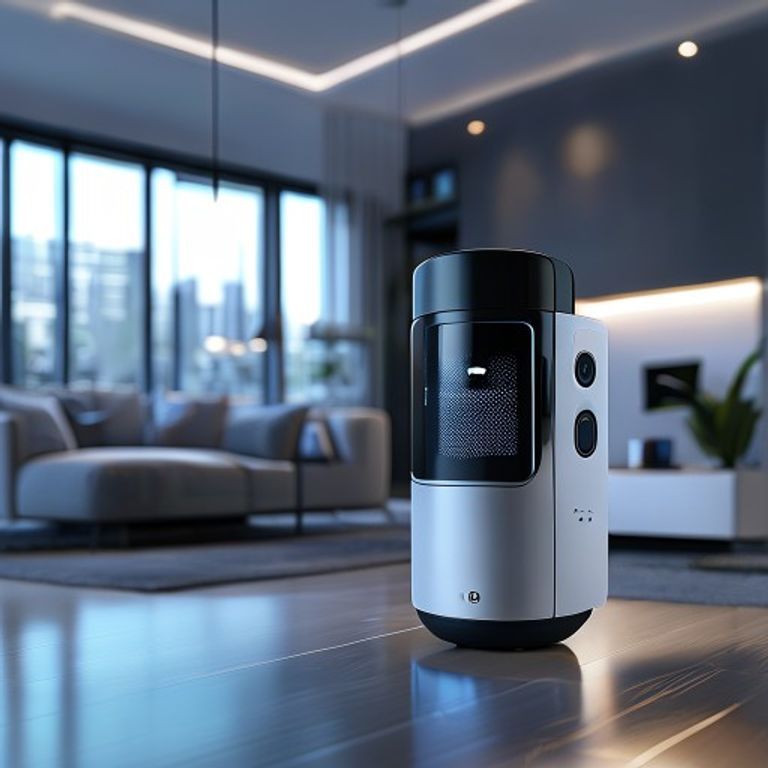
The Aqara U300 Smart Lock ($329) is a great option. It has a 3D structured light fingerprint reader. This tech works well even if your hands are wet or dirty. In addition, the lock recognizes your fingerprint in under 0.3 seconds. It also has a built-in gyroscope. If someone tries to kick the door, the lock triggers a loud siren and sends an emergency alert to your phone.
The Yale Approach Smart Lock ($249) is a sleek alternative. It uses palm vein recognition. Since veins reside under the skin, this method offers higher security than surface-level fingerprints. In addition, it works well for people with worn-out fingerprints from manual labor. Biometric access eliminates the weakest link in your defense, which is the human element.
Older smart locks relied on Bluetooth or basic Wi-Fi. They drained batteries quickly and suffered from frustrating connection drops. The newest biometric locks use ultra-low-energy Bluetooth 5.3 and Thread. Therefore, a single set of AA batteries lasts over twelve months. In addition, these locks have tamper alarms and built-in sirens. If someone tries to force the lock, it blasts an 85-decibel alarm. This immediate, localized response scares off intruders before they even breach the doorframe. I love the peace of mind knowing my front door actively defends itself.
Upgrade 5: Proactive Monitoring Hubs Run Smart Home Security Systems 2026
Reactive security only tells you what already happened. Proactive security stops threats before they escalate. Proactive monitoring hubs are the ultimate evolution of smart home security systems 2026. These hubs do not just wait for a sensor to trigger. They constantly analyze patterns and coordinate your devices to deter intruders actively.
The Abode Edge ($349) leads this category. It combines a security hub, a smart speaker, and an AI co-processor. When the system detects an unfamiliar presence, it starts a coordinated response. It flashes lights and locks doors, and it calls your emergency contacts simultaneously. As a result, intruders flee immediately. SafeHome.org highlights Abode’s rapid response times in their comprehensive testing.
In addition, proactive hubs learn your daily routines. If you leave for work at 8:00 AM, the system arms itself automatically. However, if it detects motion inside the house at 10:00 AM, it bypasses the normal delay and triggers an instant alarm. This contextual awareness separates modern systems from outdated tech. When you invest in these setups, you pay for intelligence, not just hardware, which I believe is a smarter use of money.
Many homeowners hesitate to buy proactive hubs because they fear hidden subscription costs. The Abode Edge requires no monthly fee for basic local automation. However, you can subscribe to their professional monitoring service for $22 a month. This service adds cellular backup and dispatches emergency responders. In addition, the hub integrates directly with local police databases. It can verify alarms automatically, which reduces false dispatch fines.
Choosing the Right Smart Home Security Systems 2026
Upgrading your home security requires careful planning. You should not buy random gadgets and hope they work together. Instead, build a cohesive ecosystem. Start with a strong Wi-Fi 7 router. Then, add an edge AI camera at your front door. In addition, replace your old lock with a biometric model. These targeted upgrades give immediate benefits.
Budget plays a major role. A complete overhaul costs over $1,500. However, you can phase in these upgrades over time. In addition, you can start with just a router and a camera for under $500. I recommend prioritizing edge AI cameras first, as they offer the biggest leap in actual security for smart home security systems 2026.