
Table of Contents
When you look at AI home robots in 2026, you’ll notice two distinct camps. On one side are the practical, AI‑boosted cleaners you can snag for a few hundred bucks and have working in minutes. On the other side is a fresh breed of general‑purpose bots (think Weave Robotics’ Isaac 1) that can fold laundry and tidy rooms, but come with a much heftier price tag. Below, we’ll walk through what each type can really do and what you should keep an eye on before you spend a dime.
The New Wave: General-Purpose Home Robots
The buzz of 2026 centers on Isaac 1 from Weave Robotics. It’s a wheeled, fingerless robot built around a telescopic torso that stretches from roughly three feet up to almost five‑foot‑nine, depending on the job. Need laundry folded, beds made, or a room straightened out? Isaac 1 claims it can handle all that on demand. Shipments kick off this fall in California, with a wider U.S. rollout slated for 2027. Pricing starts at $7,999 outright or $449 a month, plus a refundable $250 reservation deposit.
This isn’t just a new gadget: it’s a whole new product category, and the price reflects an early‑adopter mindset rather than a mainstream appliance. For most families right now, the more down‑to‑earth AI cleaners are still the smarter buy.
What You Can Actually Buy Today: AI-Powered Cleaning Robots
1. Robot Vacuum‑Mop Combos
Best for: Households that crave daily floor care without lifting a finger.
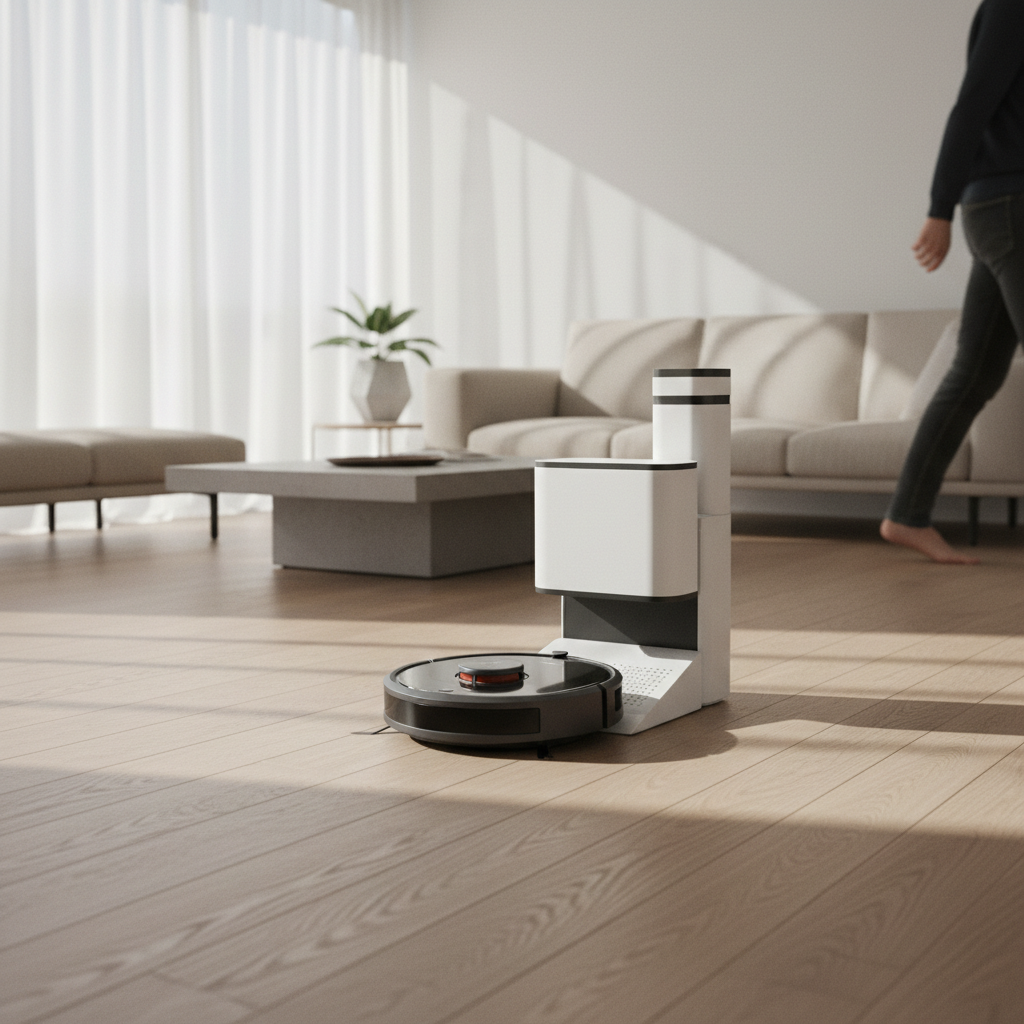
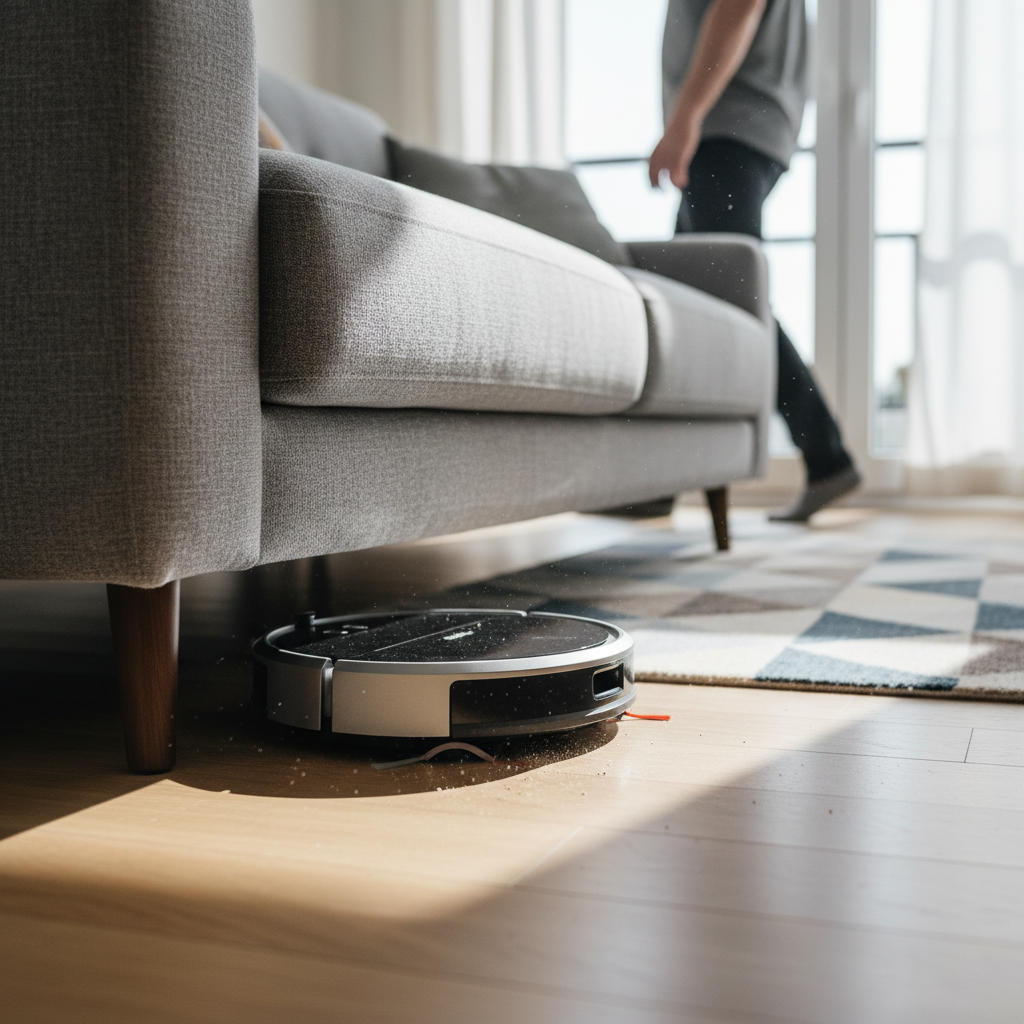
The 2026 generation of vacuum‑mop hybrids uses AI‑driven obstacle detection to steer clear of cords, pet messes, and stray shoes: no more aimless bumping. Both the iRobot Roomba Combo 10 Max and the Roborock S8 MaxV Ultra ship with self‑emptying, self‑washing, and even self‑drying docks, which is the single biggest quality‑of‑life leap we’ve seen in recent years.
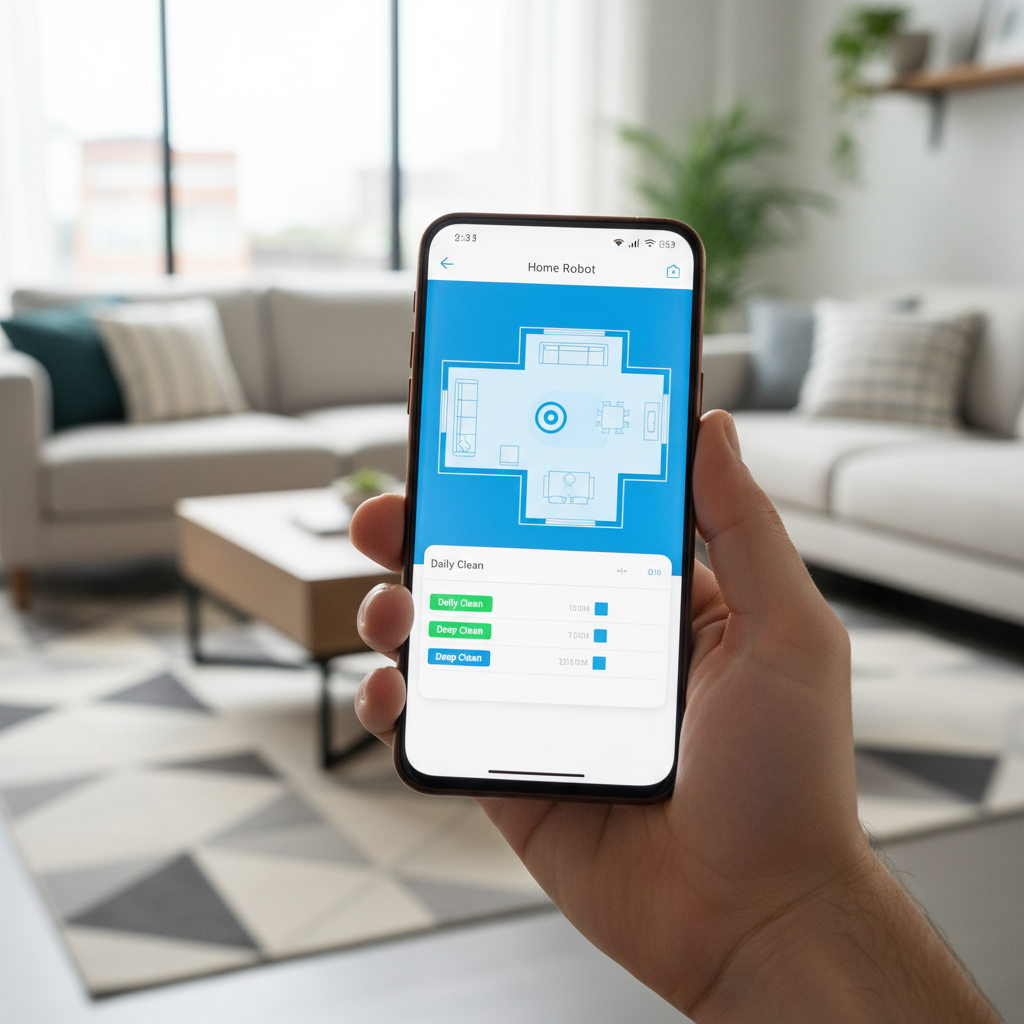
Pros: Truly hands‑off after the initial setup, solid obstacle avoidance, intuitive app‑based room mapping.
Cons: Premium models with the full self‑care dock can be pricey; you’ll still need to budget for replacement filters and mop pads.
2. Multi‑Surface Cleaning Robots
Best for: Homes that juggle hardwood, tile, and carpet underfoot.
Take the Ecovacs Deebot X2 Omni, for example. It reads the floor type beneath it and instantly tweaks suction power and mopping mode. When it rolls onto carpet, the mop pads lift automatically so you don’t end up with soggy rugs.
Pros: One robot can cover the entire floor plan, AI‑powered surface detection.
Cons: Docking stations tend to be bulky; a few models still struggle with high‑pile carpet.
3. Window and Surface Cleaning Robots
Best for: Multi‑story houses or apartments where windows are a chore.
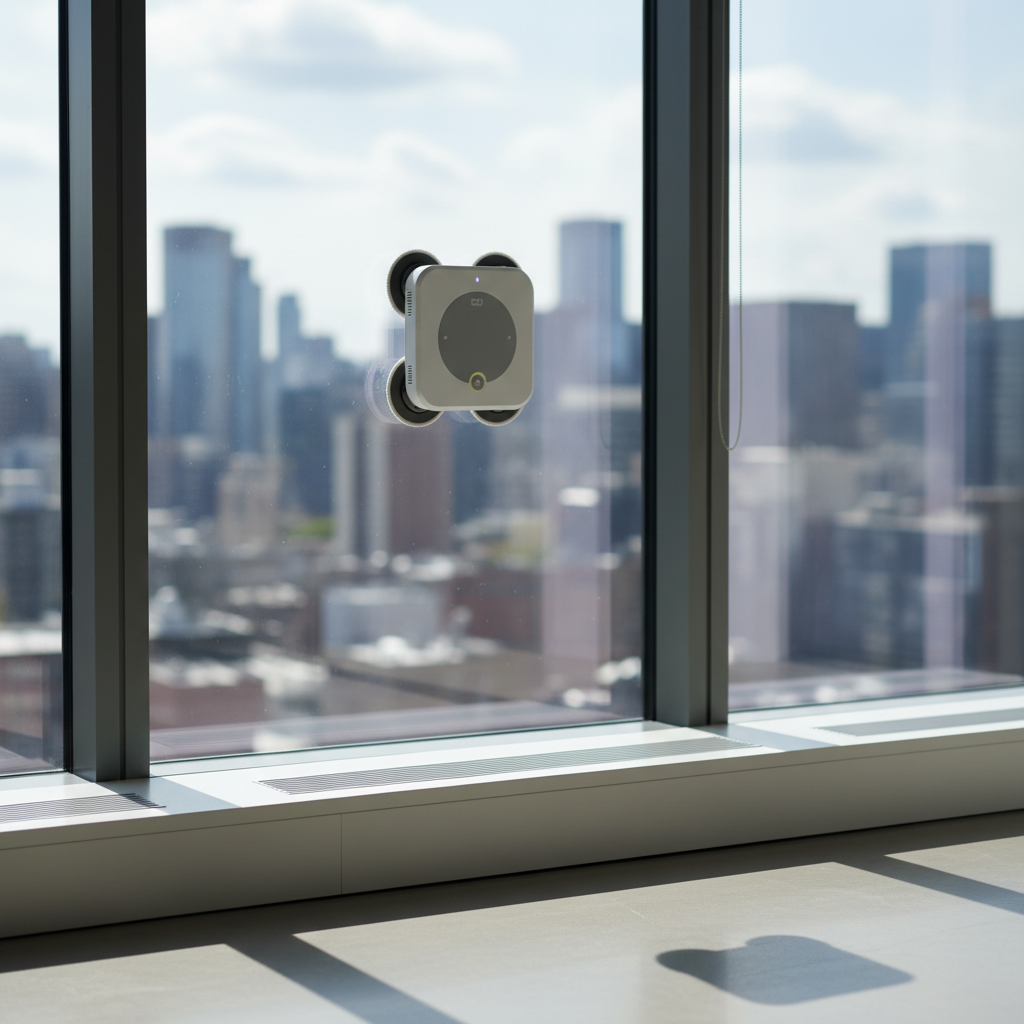
The SwitchBot S10 uses suction to cling to vertical glass and give your windows a hands‑free shine, something that used to be a purely manual job.
Folding and Laundry Robots: Still an Emerging Category
Outside of Isaac 1, consumer‑grade laundry‑folding robots are few and far between. So far, most AI folding tech lives inside general‑purpose bots rather than dedicated machines, because handling soft, deformable fabric is one of the toughest challenges in home robotics. Expect a handful of new players to appear by 2027 as the underlying AI models get smarter.
What to Check Before You Buy an AI Home Robot
- Mapping and navigation: Prefer LiDAR or camera‑based mapping over the old “bump‑and‑turn” approach, especially if your home is on the larger side.
- Obstacle avoidance quality: AI‑driven object recognition differs wildly between brands. Dive into recent user reviews instead of taking marketing speak at face value.
- Self‑maintenance features: A dock that empties and washes itself costs more upfront but can save you a heap of weekly upkeep.
- App and smart‑home integration: Make sure the robot plays nicely with your existing hub if you want schedules tied to other routines.
- Ongoing costs: Filters, mop pads, dust bags… they add up. Factor those into the true annual expense, not just the sticker price.
AI Cleaning Robots vs. General-Purpose Home Robots
| Feature | AI Cleaning Robots | General-Purpose Robots (Isaac 1) |
|---|---|---|
| Price | A few hundred to ~$1,400 | $7,999 or $449/month |
| Tasks | Vacuuming, mopping, window cleaning | Folding laundry, tidying, bed‑making |
| Availability | Widely available now | Reservation only, shipping fall 2026 |
| Best for | Most households today | Early adopters, larger budgets |
Want to see how AI is reshaping home automation beyond cleaning? Check out our guide to predictive AI smart home systems. If security is on your radar, you’ll also appreciate the best smart home security systems for 2026.
Frequently Asked Questions
What is the best AI home robot for 2026?
For the majority of families, an AI‑powered vacuum‑mop combo with a self‑emptying dock (like the Roomba Combo 10 Max or the Roborock S8 MaxV Ultra) delivers the sweet spot of price, convenience, and everyday usefulness. General‑purpose bots such as Isaac 1 are a heftier investment aimed at early adopters.
Can a robot actually fold laundry in 2026?
Yes, but the choices are still scarce. Weave Robotics’ Isaac 1 leads the pack, priced at $7,999 or $449/month, with deliveries kicking off this fall in California before spreading across the United States.
Do AI cleaning robots work on both carpet and hardwood floors?
Many current models sense the floor type on the fly and tweak suction or lift the mop pad when they transition from hard surfaces to carpet. Performance on thick or high‑pile carpet can still vary, so it’s worth checking the specs for each robot.
Are AI home robots worth the ongoing subscription costs?
It depends on the robot. Most vacuum‑mop combos are a one‑time purchase plus consumables (filters, pads). General‑purpose machines like Isaac 1 also offer a monthly subscription option, which can be easier on cash flow but still represents a larger long‑term expense.