

Table of Contents
TL;DR: AI‑powered smart home platforms now compete on how well they act, not just how well they listen. Amazon’s Alexa+, Google’s Gemini for Home, Apple’s upcoming Siri revamp, and Samsung’s SmartThings each bundle a large language model with device control. Home Assistant stays the go‑to local, privacy‑first choice for anyone who refuses cloud dependence.
Which AI smart home platform wins in 2026 really hinges on whether you prefer a deep dive into a single ecosystem or a neutral hub that talks to everything via Matter. Below we break down six services currently available in the US and Canada: pricing, data handling, and the kind of household each one serves best.
AI Agents Are Now the Core of Every Major Smart Home Platform
In 2026 a smart home platform earns its stripes by what it can do on its own, not just by how accurately it hears you. The old‑school assistants matched a fixed command to a fixed action. The new generation, built on large language models, can string together multiple steps from a single, loosely phrased request: lock the door, dim the lights, lower the thermostat, and cue a bedtime playlist, all from one “goodnight” command.
This shift reshapes how you shop for a platform. Voice accuracy used to be the main divider. Now you’re asking different questions: Does the assistant keep context between requests? Can it reach across the brands you already own? And is your voice processed locally or shipped to a data center? Research and Markets’ AI in Home Automation Market Report puts the global market at $34.57 billion for 2026, up from $26.64 billion in 2025, a jump the report credits largely to the move from simple voice commands toward autonomous, multi‑step actions.
Each platform below answers those core questions in its own way, so the right pick depends more on your existing gear and privacy comfort than on any single feature list.
How Does Amazon Alexa+ Compare to Other Smart Home AI Agents?
As one of the most capable smart home AI agents on the market, Alexa+ shines when it comes to raw task‑taking power, but it carries a higher price tag unless you already have Prime. Amazon rolled the subscription out to every US customer in February 2026, about a year after the preview. CNBC reported in February 2026 that Alexa+ runs $19.99 a month on its own, or it’s free if you’re paying $139 a year for Prime. That’s a steep bill if Prime isn’t already part of your routine.
The service runs on Amazon’s Nova chips paired with Anthropic’s Claude model, and Amazon claims it works on 97 percent of Echo devices ever made, from the first Echo Dot to the latest Echo Show. Alexa+ also reaches beyond the home: it can book restaurant tables via OpenTable, hail an Uber ride, and snag tickets on Ticketmaster, all from a single spoken request without opening an app. It’s a neat trick until the one time it books the wrong table, so anything time-sensitive is worth a quick manual double-check.
Where Alexa+ still falls short is local processing. Every query trips to Amazon’s cloud, so households that want voice data to stay on‑premises should keep scrolling for alternatives.
What Does Google Gemini for Home Do?
Gemini for Home, Google’s AI smart home platform, takes the place of Google Assistant across Nest speakers, displays, and cameras, and it began an early‑access rollout on July 8 2026 in 16 countries and 10 languages, according to Google’s own support docs. Its headline feature, Continued Conversation, lets you ask follow‑ups without repeating “Hey Google” each time. The memory layer, called Ask Home, learns household quirks: your pet’s name, your favorite light hue, and then reuses that info automatically. The catch is patience, since the rollout lands gradually, so two households with the same speaker model can end up with different features for weeks.
Google paired the software launch with fresh hardware: the Google Home Speaker drops in at $99.99 and has been shipping since late June 2026. It’s the first device built around Gemini rather than the older Assistant stack. Publicly, Google says its 2026 strategy leans away from new standalone gear and toward spreading Gemini across third‑party devices that already support Matter, a different gamble than Amazon’s and Samsung’s hardware‑first approaches.
Is Apple's Home Hub and Siri Overhaul Worth the Wait?
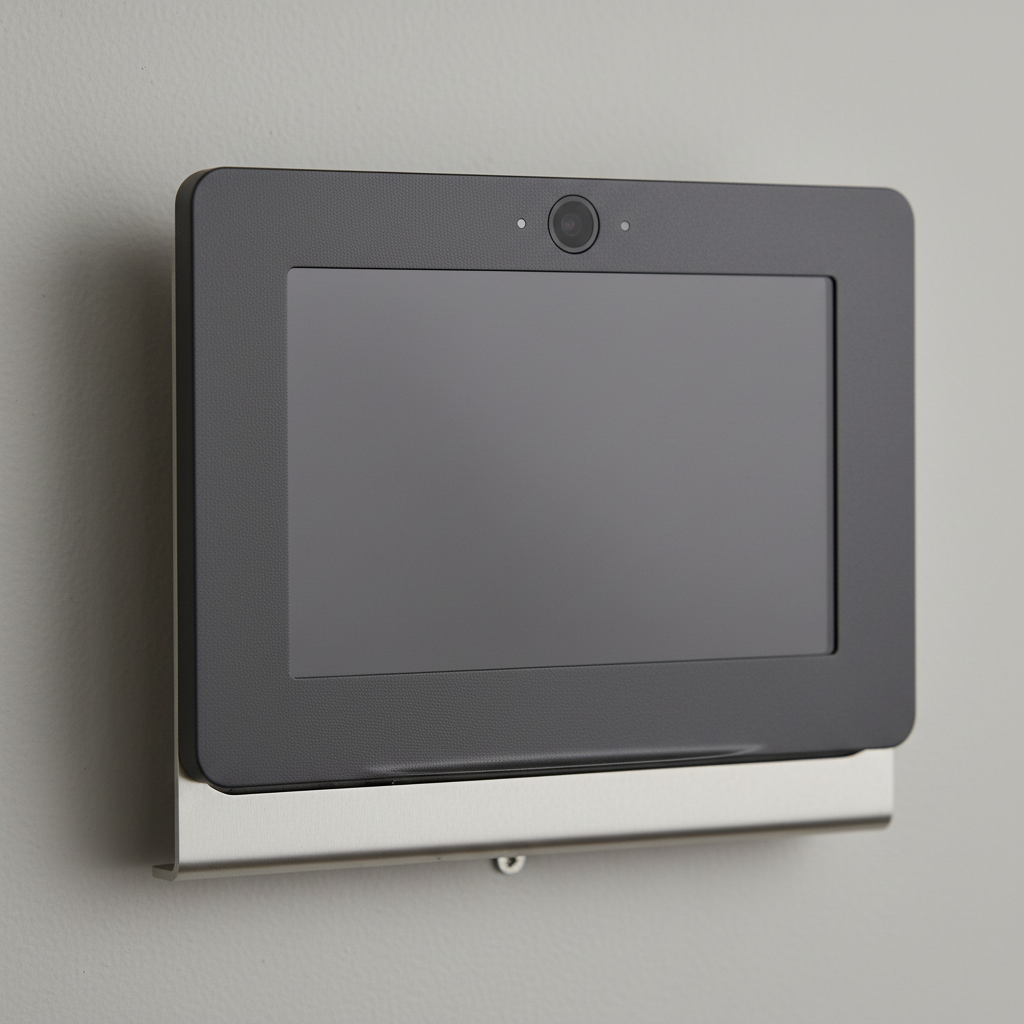
Apple’s answer to Alexa+ and Gemini for Home arrives in stages. A dedicated Siri revamp, powered by Apple Intelligence and on‑device models, is slated throughout 2026, promising multi‑turn chats, on‑screen awareness, and the ability to act across apps rather than handling isolated commands. Apple’s long‑rumored Home Hub (a sleek iPad‑style panel with a camera for face recognition and room‑presence detection) is expected to ship in the fall as the physical anchor for this new software. Anyone who has sat through a past Apple ecosystem transition knows the pattern: the eventual result tends to be polished, but 2026 looks like a year of promises more than shipped software.
In the meantime, Apple has slipped in real upgrades to the existing Home app: HomeKit Secure Video now supports 4K recording on compatible cameras (up from 1080p), and smart plugs that work with HomeKit can display energy usage right inside the Home app instead of a manufacturer’s separate app. If you’re already deep in the Apple ecosystem, waiting makes sense; for everyone else, Apple’s full agent experience still lags behind Alexa+ and Gemini for Home on feature parity.
Samsung SmartThings and Bespoke AI: Built for Appliance‑Heavy Homes
SmartThings takes a different tack from the other AI smart home platforms on this list: it leans on Samsung’s own appliance lineup and treats voice as just one of many inputs. Samsung’s Bespoke AI line weaves refrigerators, washers, and ovens into SmartThings, adding Bixby‑based recognition so appliances with cameras or screens can react to what they see, not just what they hear. Samsung brands this framing as “Home Companion” in its 2026 messaging. Whether that trade-off is worth it comes down to one practical question: how many Samsung appliances are already running in the kitchen and laundry room?
SmartThings also gained full Matter 1.3 support in 2026, meaning Matter‑certified devices from Apple, Google, Amazon, or IKEA now plug straight into SmartThings without a workaround. Samsung’s newer hub bundles a Thread border router, Zigbee 3.0, Wi‑Fi 6E, and Bluetooth 5.3 into one box, making SmartThings a solid neutral hub even if you own few or no Samsung appliances. If you’re weighing hub options more generally, our comparison of the best smart home hubs for 2026 dives deeper into non‑Samsung alternatives.
Why Do Privacy‑First Owners Choose Home Assistant?
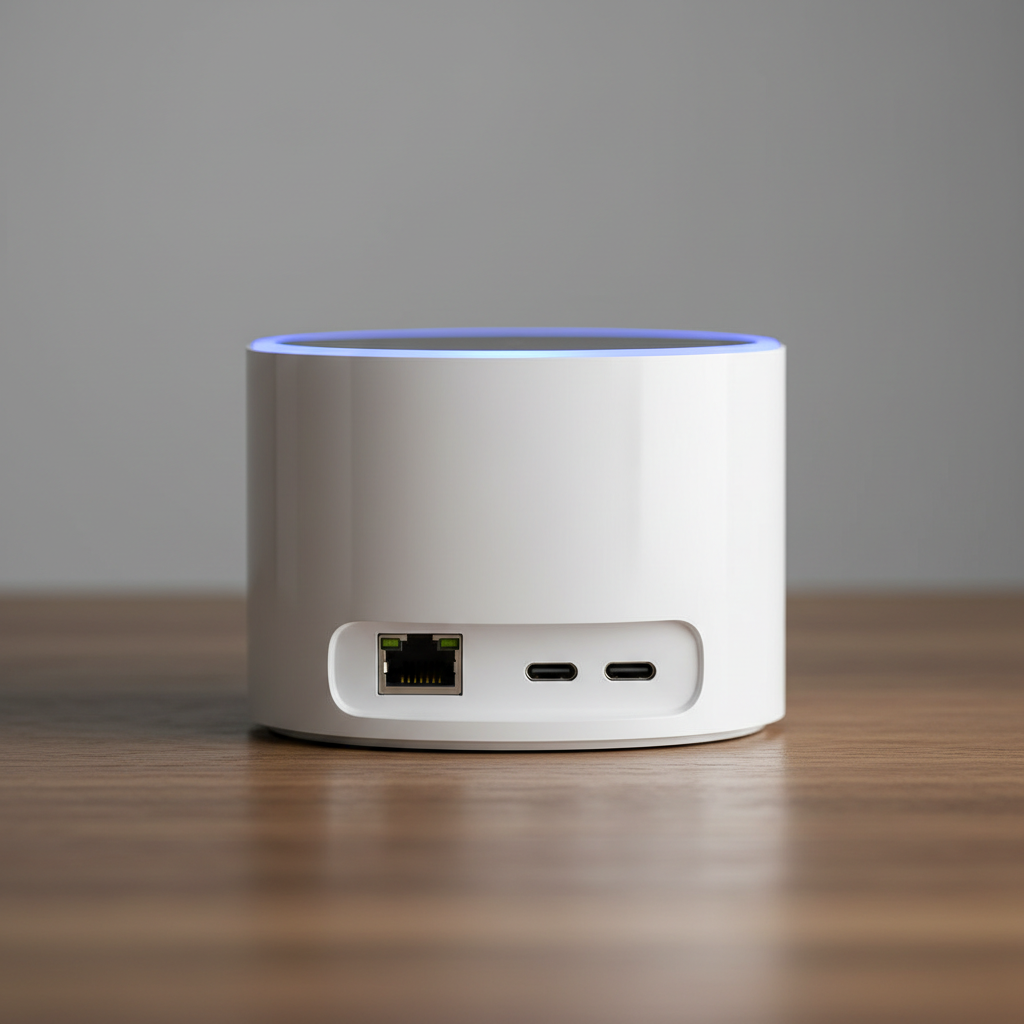
Home Assistant is the AI smart home platform to pick if sending voice data to any cloud is a deal‑breaker. Its built‑in voice layer, Assist, can run entirely on hardware you control, using an open‑source pipeline of Whisper for speech‑to‑text and Piper for text‑to‑speech. No Alexa or Google account ever touches the audio. The $59 Home Assistant Voice Preview Edition puck is the simplest entry point, though DIYers also rig ESP32‑based satellite microphones around the house.
The trade‑off is setup effort and hardware cost for a serious local LLM. Running a full local language model comfortably needs at least a Raspberry Pi 5 with 16 GB of RAM, and CPU‑only inference can crawl at 2‑4 tokens per second on weaker boards. Households that love the local‑first philosophy but prefer a professional install sometimes gravitate toward premium systems like Josh.ai, which targets custom‑installed homes rather than the DIY crowd Home Assistant serves. None of that is a weekend project, and it is worth being upfront about that before recommending Home Assistant to a less technical household. We explored the broader local‑first movement in our guide to local‑first AI smart home platforms.
AI Smart Home Platforms Compared: Price, Privacy, and Ecosystem
The table below lines up the five mainstream platforms plus Home Assistant on the factors that matter most when picking one: ongoing cost, where voice processing happens, and which ecosystem it favors.
| Platform | Approx. Price | Voice Processing | Matter Support | Best For |
|---|---|---|---|---|
| Amazon Alexa+ | $19.99 /mo, free with Prime | Cloud | Yes | Households that want the most task automation today |
| Google Gemini for Home | Free (hardware from $99.99) | Cloud | Yes | Existing Nest and Google Home owners |
| Apple Home / Siri | Free with Apple hardware | Mostly on‑device | Yes | iPhone and HomeKit households, if willing to wait |
| Samsung SmartThings | Free (hub hardware extra) | Cloud + on‑device | Yes (1.3) | Homes with Samsung/Bespoke appliances |
| Home Assistant | Free software, ~$59 + hardware | Fully local | Yes | Privacy‑first, DIY‑comfortable owners |
Matter support is now nearly universal across this list, which is worth noting on its own: a device certified for Matter will generally work with whichever platform you choose, reducing the lock‑in risk that used to haunt smart‑home shoppers. If you’re pairing new Matter devices for the first time, check out our Matter smart home devices setup guide for brand‑specific steps.
How Do You Pick the Right AI Smart Home Platform for Your Home?
Start with the gear you already own rather than the flashiest headline. A house full of Nest cameras and Google speakers gets more mileage out of Gemini for Home than from swapping to Alexa+, and the opposite is true for an Echo‑heavy home. If most of your appliances are Samsung, SmartThings’ Bespoke AI integration will outshine a generic assistant that can’t see what your washer or fridge is doing.
Privacy tolerance is your second filter. If you’re comfortable with cloud processing of voice and routines, Alexa+ and Gemini for Home currently deliver the broadest third‑party task integration. If not, Home Assistant is the only option here that keeps everything on your own network by default. Our deeper dive into how AI agents are redefining smart home automation breaks down the trade‑offs of cloud‑based agents in more detail. Budget comes last: Alexa+’s $19.99 monthly fee is the only recurring subscription cost among the platforms compared here (Prime members get it for free) while everything else is free software with optional paid hardware.
Frequently Asked Questions
Is Alexa+ free with Amazon Prime?
Yes. Alexa+ is bundled at no extra charge for Prime members, who already pay $139 a year for the membership. Without Prime, Alexa+ costs $19.99 a month on its own, per Amazon’s official announcement.
Does Gemini for Home work with my existing Nest devices?
Yes, for most current‑generation Nest speakers, displays, and cameras. Google rolls Gemini for Home out gradually via server‑side updates, so not every eligible device receives access on the same day even after the Google Home app is updated.
Can I use Home Assistant without any cloud connection at all?
Absolutely. That’s its core design goal. Home Assistant’s Assist voice pipeline can run fully offline using local speech‑to‑text and text‑to‑speech models, and no Alexa, Google, or Amazon account is required.
Is Matter support the same across all these platforms?
Largely yes as of 2026. Amazon, Google, Apple, Samsung, and Home Assistant all support Matter‑certified devices, meaning a single Matter device generally works across ecosystems rather than locking you into one brand.
Which AI smart home platform is best for a first‑time smart home buyer?
For most newcomers, Google Gemini for Home or Amazon Alexa+ offer the smoothest setup and the widest compatible device selection. Home Assistant provides more privacy and control but expects a higher technical comfort level during installation.
The Bottom Line
No single AI smart home platform dominates every category in 2026. Alexa+ leads on task automation but carries the highest price outside of Prime. Gemini for Home is the strongest pick for existing Google hardware owners. Apple’s revamp looks promising but is still arriving in pieces. SmartThings is the clear choice for Samsung‑heavy kitchens and laundry rooms. Home Assistant remains the only fully local option for owners who won’t compromise on privacy. Matching the platform to the hardware you already have and the privacy level you’re comfortable with will serve you better than chasing the flashiest headline. None of them is a bad choice. Some are just a better fit than others.
Sources
- CNBC, "Amazon makes Alexa+ AI assistant available to everyone in the U.S. nearly a year after launch," February 2026, cnbc.com
- Amazon, "Introducing Alexa+, the next generation of Alexa," aboutamazon.com
- Google, "Learn about Gemini for Home voice assistant," Google Home and Nest Help, support.google.com
- Home Assistant, "Assist - Talk to your smart home with Home Assistant," home-assistant.io
- Samsung Newsroom, "Home Companion: Comprehension of Samsung Bespoke AI 2026," news.samsung.com
- Research and Markets, "AI in Home Automation Market Report 2026," researchandmarkets.com