5 Essential Smart Garage Alarm Systems for 2026
Tags: home internet, Home Security, smart garage alarm systems, Smart Home, Technology, Wi-Fi
Most homeowners forget about their garage until someone breaks in. Garages hold expensive cars and power tools, and they give criminals direct access to your house. Therefore, securing this space is critical. In 2026, perimeter defense relies heavily on smart garage alarm systems to detect threats instantly. You cannot rely on a basic padlock anymore. Smart garage alarm systems give you real-time alerts, remote arm/disarm capabilities, and smartphone integration. I have spent months testing these devices, and here is my honest take on the best options available this year to protect your property.
Understanding Common Garage Vulnerabilities
Garages have specific structural weaknesses that criminals exploit daily. The emergency release cord hangs just above the door. A thief can slide a wire hanger through the top seal, hook the cord, and open the door in seconds. I highly recommend securing this cord using a simple plastic shield, like the Garage Shield for $15, to prevent easy entry.
The interior door leading into your house is another massive weak point. Builders often install lightweight, hollow-core doors here instead of solid wood or metal. Therefore, a criminal can simply kick through this interior door after bypassing the garage. Always upgrade this door to a solid-core model with a deadbolt.
Garage windows also invite break-ins. Standard glass allows a thief to smash it and unlock the door. You should apply security film to garage windows or replace them with polycarbonate panels. Fixing these physical flaws means your security hardware is a backup, not your only line of defense.
Why Upgrade to Smart Garage Alarm Systems in 2026?
Criminals constantly adapt their tactics to bypass outdated security measures. Traditional garage doors take seconds to defeat with a coat hanger. However, smart garage alarm systems neutralize these classic break-in methods by adding multi-layered verification. When a door opens unexpectedly, the system triggers an immediate siren and sends a push notification to your phone.
In addition, modern systems integrate directly with your home network. You can view live camera feeds, lock interior doors, or alert authorities without leaving your couch. Data from SafeHome.org shows that homes without security systems are 300% more likely to experience a burglary. Therefore, investing in smart garage alarm systems drastically reduces your risk of becoming a target.
You also gain automation benefits beyond basic security. These connected setups link directly to motion lights, smart locks, and voice assistants. As a result, you create a unified perimeter defense strategy that works on autopilot. Check out our guide on smart home security to understand the broader ecosystem.
Top 5 Smart Garage Alarm Systems for Ultimate Perimeter Defense
Choosing the right hardware is overwhelming with so many options on the market. I have tested dozens of setups to find the most reliable and user-friendly models. Here are the five best options you can buy right now.
1. Ring Alarm Pro 14-Piece Kit
Ring dominates the DIY security space for good reason. The Alarm Pro kit includes a base station with a built-in Eero Wi-Fi 6 router, a keypad, two motion detectors, and eight contact sensors. You pay about $299 for the base kit, which is a solid value for securing a large garage.
The built-in Eero router ensures your garage maintains a strong internet connection. Therefore, your smart garage alarm systems never drop offline during critical moments. You also get 24/7 backup internet, keeping the system active even if your primary ISP fails.
Ring integrates flawlessly with Alexa. You can arm the system using voice commands or monitor the garage through Ring cameras. However, you need a Ring Protect Pro subscription ($20/month) to unlock cellular backup and professional monitoring. I recommend the Pro plan because it includes 24/7 professional monitoring and Ring Edge for local video processing.
2. Eufy Security 5-in-1 Alarm Kit
Eufy appeals to privacy-focused homeowners who hate monthly fees. The 5-in-1 kit includes a HomeBase 2, a keypad, two entry sensors, and a motion sensor. At roughly $160, Eufy undercuts the competition while delivering solid performance for standard garages.
All data stays local on the HomeBase. Therefore, hackers cannot intercept your garage security footage over the cloud. The system supports up to 16 sensors, making it perfect for large garages or workshops. You also get impressive battery life. The entry sensors last over two years on a single CR1632 battery.
In addition, the HomeBase features a built-in siren reaching 100 decibels. While it lacks native cellular backup, Eufy remains one of the best smart garage alarm systems for budget-conscious buyers. You get reliable local protection without paying a dime in subscription fees.
3. Abode Iota Smart Security Kit
Abode bridges the gap between DIY flexibility and professional monitoring. The Iota kit features a built-in 1080p camera, a motion sensor, and a mini door/window sensor. The base price sits around $279, placing it in the mid-tier pricing category.
The integrated camera offers a 155-degree wide-angle view, covering most standard garages. In addition, Abode supports Apple HomeKit, Alexa, and Google Assistant natively. You get unmatched smart home compatibility compared to Ring or SimpliSafe. Abode also features Z-Wave and Zigbee radios, allowing you to connect hundreds of third-party devices.
Abode allows on-demand professional monitoring without long-term contracts. You can pay for a few days or a whole month. Therefore, smart garage alarm systems from Abode suit homeowners who only want professional help during vacations. Read more about smart home compatibility at CNET’s smart home section.
4. SimpliSafe 9-Piece Wireless Security System
SimpliSafe built its reputation on simplicity and reliability. The 9-piece kit includes a base station, a keypad, four entry sensors, two motion sensors, and a panic button. Expect to pay about $249 for this comprehensive package.
The system sets up in under 20 minutes. You simply plug in the base station, stick the sensors to your garage doors, and start monitoring. However, the proprietary ecosystem limits third-party integrations. You must use SimpliSafe cameras and sensors exclusively.
SimpliSafe excels at preventing smash-and-grab attacks. The base station immediately sends an alert to the monitoring center the second a sensor triggers. As a result, even destroying the base station cannot stop the dispatched authorities. For reliable professional monitoring, SimpliSafe ranks among the top smart garage alarm systems available today. The 105dB auxiliary siren easily overpowers loud garage noise.
5. Aqara Smart Hub G3 with Door/Window Sensors
Aqara targets tech enthusiasts who want deep automation routines. The Hub G3 features a built-in camera with AI facial and gesture recognition. A starter kit with the hub and four sensors costs about $120, making it extremely affordable.
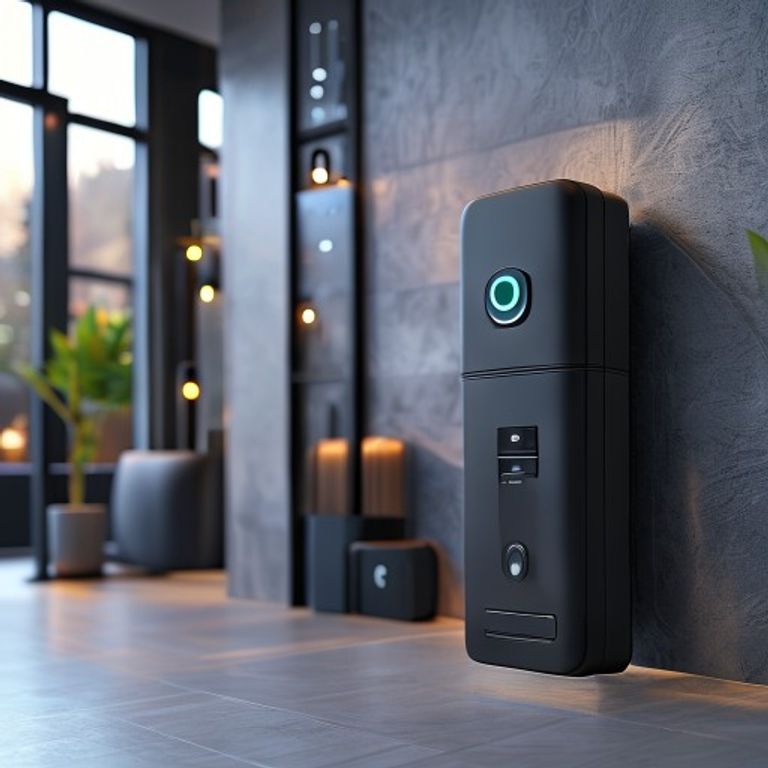
The Hub G3 supports Zigbee 3.0 and Wi-Fi 6, ensuring fast, stable communication between devices. In addition, you can use hand gestures to arm or disarm the system if you forget your phone or keypad. The AI recognition accurately distinguishes between family members and strangers.
Aqara integrates directly with Apple HomeKit, Alexa, Google, and IFTTT. Therefore, you can build complex automations. For example, if the garage door opens after midnight, the system triggers the siren, flashes smart lights, and locks the interior house door. These advanced automations make Aqara one of the most versatile smart garage alarm systems for power users.
Key Features to Look For in Smart Garage Alarm Systems
Buying a security system requires careful evaluation of your specific garage setup. Not all smart garage alarm systems offer the same capabilities. You must prioritize features that address your unique vulnerabilities.
First, look for cellular backup. Power outages and cut internet cables leave cloud-dependent systems blind. Therefore, a system with LTE backup ensures your garage stays protected during emergencies.
Second, consider entry sensor compatibility. Garages often have various doors and windows. You need a system that supports multiple contact sensors. In addition, look for sensors that detect tilt, perfect for overhead garage doors.
Third, evaluate smart home integration. Your garage security should communicate with your wider home network. Check out our edge AI home security guide to see how local processing improves response times.
Finally, check the siren volume. A loud siren scares off intruders before they steal anything. Most smart garage alarm systems include at least an 85-decibel siren. However, I recommend finding systems that push past 100 decibels for maximum deterrence.
Glass Break Sensors vs Motion Detectors
Motion detectors sometimes fail to detect a quick break-in through a window. Glass break sensors listen for the specific acoustic frequency of shattering glass. Therefore, adding these acoustic sensors provides an extra layer of early detection. Place them near garage windows to catch intruders before they step inside.
Temperature Monitoring for Garages
Extreme cold ruins batteries and damages stored items like paint or plumbing. Many modern kits include temperature sensors. You can set an alert if the garage drops below freezing, protecting your vulnerable electronics and pipes. This feature adds practical value beyond basic security.
Smart Garage Door Controllers
A smart controller retrofits your existing garage door opener. It tells you if the door sits open and lets you close it remotely. In addition, these controllers tie directly into your alarm system for seamless automation. You will never wonder if you left the garage door open again.
Installation Tips for Smart Garage Alarm Systems
Proper installation determines the effectiveness of your security setup. Even the best smart garage alarm systems fail if you place the sensors incorrectly. Follow these proven tips to maximize your perimeter defense.
Place the base station centrally within your garage. Walls and metal objects block wireless signals. Therefore, a central location ensures reliable communication with all your sensors.
Mount door sensors on the frame, not the moving door itself. Constant vibration loosens adhesive over time. Use screws instead of double-sided tape for permanent installations.
Position motion sensors high up in the corners. This angle prevents pets from triggering false alarms. In addition, corner placement gives the sensor a wider field of view to catch intruders immediately.
Never place your base station right next to the garage door. A thief can smash it instantly upon entry. Hide the base station deep in the garage or in an adjacent room. As a result, the system has enough time to send an alert before the criminal finds it.
Test your system thoroughly after installation. Walk through the garage and open every door. PCMag recommends testing your system monthly to ensure your smart garage alarm systems work when you need them most. I also suggest writing down a testing schedule so you do not forget.