
Table of Contents
In 2026 a truly smart home no longer waits for you to say “turn on the lights” or tap a button. The leading platforms already peek at your routine, glance at the forecast and your calendar, then act on their own: warming the house before you even feel the chill, dimming lamps as your evening unwinds, or giving you a gentle nudge to head out early when traffic looks rough. That’s the jump from simply reacting to genuinely anticipating, and it’s reshaping which hubs, sensors, and assistants deserve a spot in your home this year.
What Makes a Smart Home "Proactive" Instead of Just Predictive?
For a long time “smart” meant “reactive”: a motion detector flips a switch, a timer shuts off the thermostat at bedtime. Predictive tech took a step forward, using past data to guess what you might want next. A genuine proactive AI smart home goes even farther. It cross‑references occupancy sensors, weather updates, calendar events, even wearable data and energy rates, then takes a series of actions without you lifting a finger, just like a human personal assistant would.
When the press covered CES 2026, they talked about moving from “AI features” to “AI coordination.” In other words, devices stop acting as islands and start reporting to a central brain that orchestrates the whole house. That coordination layer, not any single gadget, is the real story of 2026.
From Reactive to Predictive to Proactive: A Quick Timeline
Seeing the three stages side by side helps because most homes today are a blend of all three:
| Stage | How it behaves | Example |
|---|---|---|
| Reactive | Acts only when a direct command or trigger is received | “Hey, turn on the kitchen lights” via voice or app |
| Predictive | Learns habits and pre‑sets things based on past behavior | The thermostat cools a degree at 9 p.m. because you usually feel warm then |
| Proactive | Mixes several signals and decides on its own, often coordinating multiple devices | It pre‑warms the hallway because tomorrow’s forecast is cold, your calendar shows an early meeting, and it later pushes the heating back if it detects you’re running late |

Why 2026 Is the Tipping Point for Proactive AI Smart Home Tech
Three breakthroughs lined up this year to turn proactive automation from a lab curiosity into everyday reality. First, AI chips built into hubs and cameras finally got cheap enough to run pattern‑recognition locally, slashing latency and keeping more data under your roof. Second, the Matter and Thread ecosystems matured so a single routine can reliably involve a thermostat, a lock and a lighting group from three different manufacturers, without breaking on a firmware update. Third, large language models became fast and affordable enough to handle “reasoning” steps (deciding whether an event is worth acting on) rather than just matching a single sensor reading.
Put together, those shifts explain why every 2026 story is talking about moving from “features” to “coordination.” A proactive AI smart home isn’t a single clever gadget; it’s a collection of ordinary devices topped with a reasoning layer that’s finally both good enough and cheap enough to run all the time.
The Platforms Leading the Anticipatory Home Automation Shift
A handful of ecosystems are pushing the anticipatory‑automation narrative forward, each with its own spin.
Amazon Alexa+
Amazon’s $20‑a‑month Alexa+ add‑on injects agentic reasoning into the familiar Echo family. Instead of answering one‑off commands, it can string together multi‑step flows like “get the house ready for movie night,” which dims lights, lowers the thermostat, closes blinds and flips the TV to the right input, all in one go. Alexa+ also spits out “Daily Insights” drawn from sensor logs and routines, for instance warning you that you’ll need to leave a few minutes earlier because your mornings have been slower than usual.
Google Gemini for Home
Google’s take centers on building automations with natural language, packaged as a “Help Me Create” workflow. You simply say, “Open the blinds at sunrise, then turn on the bedroom fan ten minutes later,” and Gemini writes the routine for devices like the Google Nest Hub and Nest thermostats, no rule‑engine tinkering required.
Home Assistant 2026.7
On the open‑source side, the Home Assistant 2026.7 release flips the script by making purpose‑driven triggers the default. Instead of hunting through a list of states or devices, you pick a goal (“motion detected,” “battery low,” “price at today’s cheapest”) and the platform maps it to the right entities automatically. New integrations can now register brand‑new trigger types, which is why an EV charger can surface a “charging complete” event or an energy monitor can expose a “cheapest electricity window” as first‑class building blocks on hubs like Home Assistant Yellow or Home Assistant Green.
Real-World Use Cases for Proactive AI Smart Home Systems
Anticipatory comfort
Today’s systems can pre‑heat or pre‑cool a room by blending forecast data with your calendar, so you never walk into a frosty entryway. A learning thermostat such as the ecobee Smart Thermostat merges occupancy sensors with weather info to make that call on its own.
Energy-aware routines
Smart plugs and switches now watch usage patterns and dim or cut power in unoccupied spaces automatically. Recent studies cited in the press suggest AI‑tuned routines can shave as much as 30 % off energy bills compared with static schedules. Pair a device like SwitchBot smart plugs with a coordination hub, and you get those savings without rewiring your home.
Security that reasons, not just records
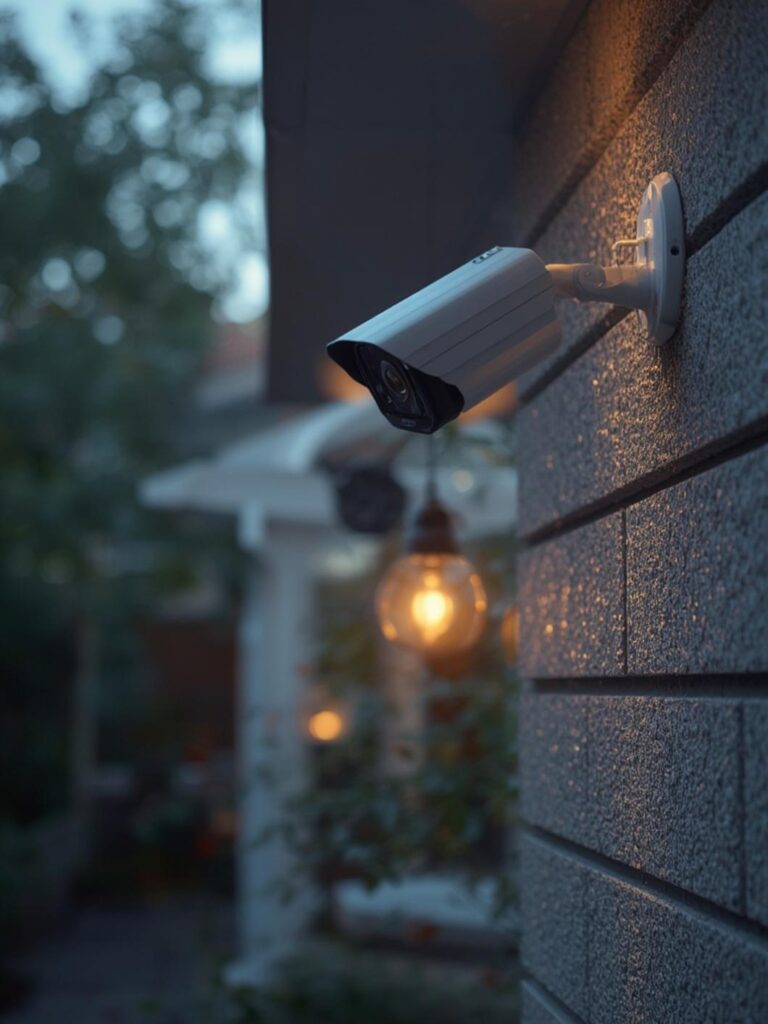
Modern security cameras do more than just send you a clip when motion is spotted. They weigh context (time of day, expected occupants, recent deliveries) before deciding whether to bother you, dramatically cutting down on notification fatigue. Both Ring and Arlo have added this kind of contextual filtering to their high‑end AI tiers. If you want a deeper dive into how predictive logic evolved into this proactive wave, check out MSICIT’s predictive AI smart home guide.
Wellness‑linked adjustments
Some platforms now tap into wearable biometric data to tweak temperature or lighting based on stress levels or sleep readiness, moving beyond a rigid schedule. It’s still early days, but it shows that “proactive” is inching toward genuine wellbeing support.
Products Worth Watching if You're Building an Anticipatory Smart Home
You don’t have to rip out everything you own to get started. A practical proactive stack typically adds a coordination hub on top of the devices you already have:
- Hub / brain: Home Assistant Green or an Amazon Echo running Alexa+, this is the reasoning layer that everything else reports to, so choose it before you buy new gear.
- Climate: ecobee or Nest thermostats with occupancy sensing, both of which now expose enough raw data for a hub to decide when to pre‑heat or pre‑cool.
- Security: Ring or Arlo cameras that use AI‑based contextual alerts, so you’re only notified when it really matters.
- Lighting: Philips Hue for smooth, presence‑aware lighting transitions instead of abrupt on/off flips.
- Cleaning: Roborock vacuums that schedule themselves around your actual occupancy patterns rather than a fixed clock.
- Access: Aqara smart locks that feed arrival and departure events into the hub, often the trigger a proactive routine needs most.
None of these items shine on their own. The magic appears when two or three of them start talking to the same hub and the hub is allowed to reason across all of them. That’s the difference between a house full of gadgets and a truly proactive AI smart home.
Privacy and Data Considerations for Anticipatory Systems
Proactive automation leans on more data than any previous generation of smart‑home tech: location trends, calendar details, and sometimes even biometric streams from wearables. Before you flip on anticipatory features, double‑check where processing happens: locally (as Home Assistant champions) or in the cloud (as many voice‑assistant agentic features still require). Weigh the trade‑off of giving your calendar access to pre‑heat the house versus granting biometric stress data access; the latter is a far more personal decision that should be made deliberately, not by default.

How to Start Building a Proactive AI Smart Home This Year
You don’t have to redo everything at once. A sensible rollout looks like this:
- Pick one coordination layer (Alexa+, Gemini for Home, or Home Assistant) and stick with it rather than juggling competing ecosystems.
- Add a single anticipatory routine at a time; climate or lighting are low‑risk places to experiment first.
- Audit the data permissions for each new proactive feature before you turn it on.
- Once you’re comfortable with the first routine’s accuracy, expand into security and energy‑saving automations.
Frequently Asked Questions
What is the difference between predictive and proactive AI in a smart home?
Predictive AI learns your habits and offers suggestions or pre‑sets based on history, but it usually still needs a trigger. Proactive AI fuses live inputs (weather, calendar, occupancy, etc.) and takes multi‑step actions on its own, much like a human personal assistant would anticipate your needs.
Is Alexa+ or Gemini for Home better for proactive automation?
Alexa+ currently shines in everyday household coordination and chained multi‑device actions, while Gemini for Home excels at conversational, natural‑language automation building. Most families end up picking the one that aligns with their existing voice ecosystem and device lineup.
Do I need to replace my existing smart home devices to get proactive features?
No. The majority of anticipatory capabilities arrive via a coordination hub or a software update that sits on top of the devices you already own (thermostats, cameras, smart plugs) so you don’t have to rip out your entire setup.
Is a proactive AI smart home safe from a privacy standpoint?
Safety hinges on what data each feature consumes and whether processing happens locally or in the cloud. The most prudent approach is to review permissions feature‑by‑feature, rather than granting blanket access, especially for anything that pulls in biometric or precise location data.
Can proactive AI smart home systems actually save energy?
Absolutely. Systems that shift lighting and climate control based on real‑time occupancy and usage patterns (rather than static timers) have been shown to cut energy use meaningfully compared with traditional, schedule‑only automation.
Proactive AI smart home technology is still maturing, and no single platform does it all perfectly yet. Still, the trend is clear: homes that notice what you need before you ask are moving from novelty to everyday reality in 2026, one anticipatory routine at a time.