

Table of Contents
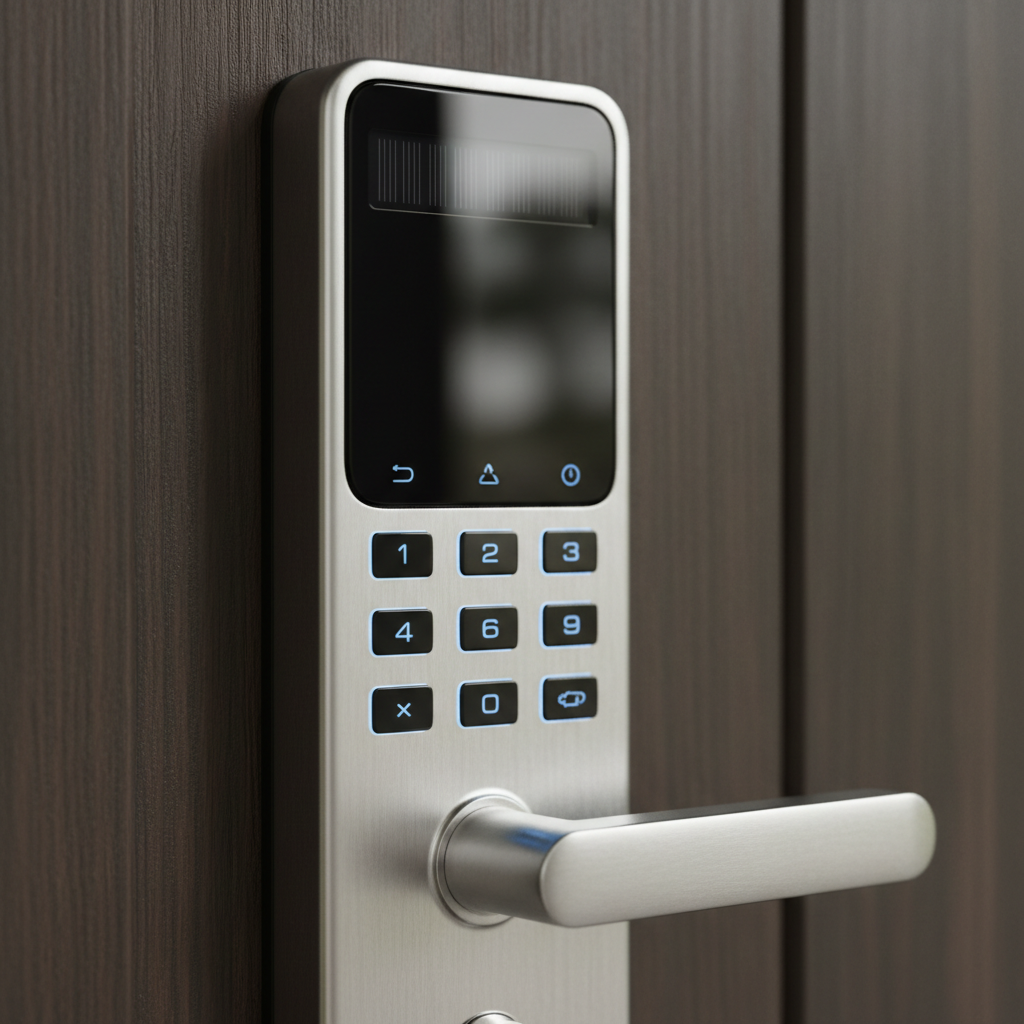
A solar smart lock is a keyless entry system that comes with a built‑in solar panel, so it leisurely leeches power from everyday light. That means you never have to fiddle with AA batteries or hunt down a charger. The idea went from a tech curiosity to a real buzzword at CES 2026, where models like the DESLOC V150 Plus and the Lockin Veno Solar proved that even a lock tucked under a shaded porch can stay powered for months on just a few hours of daylight. In this guide we’ll unpack the tech, spotlight the models that work today, compare costs with a regular smart lock, and walk you through a DIY install.
How a Solar Smart Lock Actually Works
Most conventional smart locks (think the Schlage Encode or the Yale Assure Lock 2) run on four AA cells that typically need replacing every six to twelve months, depending on how often you use the motor. A solar smart lock tacks a slim photovoltaic strip onto the exterior faceplate or keypad. Rather than the usual silicon cells, many of these strips use perovskite material, which captures low‑level, indirect light far better: perfect for doors that spend most of their time under a porch roof.
Manufacturer data shows that a lock like the DESLOC V150 Plus can keep itself fully charged on a cloudy day with about 4,000 lux of ambient light (roughly the brightness you’d get on a shaded porch at noon). The Lockin Veno Solar follows a similar formula: four hours of daylight is enough to power the lock through an entire day. Both units still ship with a backup battery or a physical‑key override, so a week of relentless rain won’t strand you outside.
Best Solar-Powered Door Lock Models to Buy Right Now
While the market is still tiny, a handful of models have graduated from CES demo tables to real U.S. shelves in 2026. Here’s the lineup that’s worth a look.
DESLOC V150 Plus
The DESLOC V150 Plus stole the show at CES 2026, marrying a perovskite solar panel with palm‑recognition and gesture‑based unlocking. At under $300, it’s as much a conversation starter as a functional lock. DESLOC also offers the K140 Plus (a touchless, palm‑vein model) and the S150 Max, which adds a dual‑camera doorway monitor.
Lockin Veno Solar
The Lockin Veno Solar slots in at just under $200, earning a nod at the Tom’s Guide Smart Home Awards 2026 for completely erasing the recharge routine. It supports palm, face, PIN, and a traditional key, and it’s Matter‑compatible, which means it plugs straight into the same ecosystem detailed in our Matter smart home devices setup guide. No extra hub required. Lockin’s Aeon sibling brings the same solar tech to a classic deadbolt form factor.
Standard Smart Locks Worth Comparing Against
If you’d rather stick with a proven battery‑only lock, you still have strong options: the August Wi‑Fi Smart Lock, the Kwikset Halo Touch, and the Level Lock+, which hides its mechanism inside the door edge for an almost invisible look.
Solar Smart Lock vs. Standard Smart Lock: Side-by-Side Comparison
| Feature | Solar Smart Lock (e.g. DESLOC V150 Plus, Lockin Veno Solar) | Standard Battery Smart Lock (e.g. Schlage Encode, August) |
|---|---|---|
| Power source | Built-in solar panel + backup battery | 4x AA batteries |
| Typical battery life | Indefinite with regular light exposure | 6-12 months |
| Upfront cost | $180-$300 | $150-$260 |
| Ongoing cost | Near zero | $10-$20/year in batteries |
| Best for | Sunny or partially shaded entryways | Any entry point, including fully covered doors |
| Smart home compatibility | Matter, Wi‑Fi (model dependent) | Matter, Wi‑Fi, Z‑Wave (model dependent) |
Installing a Solar Smart Lock: What to Know Before You Buy
Putting a solar lock on your door is pretty much the same as swapping out a regular deadbolt: check the backset, make sure you have a standard 2‑1/8‑inch bore, and replace the old strike plate. The real twist is placement. Because the panel needs a bite of light, manufacturers advise positioning the lock where it can catch at least a few hours of indirect daylight each day. A north‑facing door under a deep overhang will still work, but a lock stuck inside a fully enclosed storm door with zero light will rely solely on its backup battery.
Before you click “buy,” walk around your home at different times of day to see how much sun your entry gets. Verify that the lock speaks the smart‑home protocol you prefer, and skim the return policy, just in case the light levels turn out to be lower than expected. Most brands ship a companion app that displays real‑time charge percentages, so you can confirm the lock is happy before the return window expires.
Cost and Environmental Payoff Over Time
A conventional smart lock will chew through four AA cells once or twice a year. Over five years that adds up to five‑to‑ten battery swaps per lock: roughly $25‑$50 in battery costs alone if you’re using quality alkaline or lithium cells. A solar‑powered lock front‑loads the expense but essentially eliminates that recurring outlay, and it cuts one more source of disposable waste from your household. The monetary savings aren’t earth‑shattering, but for anyone already invested in solar panels, EV chargers, or other green upgrades, a solar smart lock feels like a natural extension: fewer replaceable parts, less manual upkeep, and one less thing to remember before a trip.
There’s also a reliability benefit that often outweighs the cost angle. A dead battery on a regular smart lock tends to announce itself at the worst possible moment: think you’re juggling groceries on the porch. A solar lock’s constant trickle charge shifts the failure mode from “sudden and surprise” to “slow and app‑monitored,” which is a noticeably smoother experience even before you factor in the eco‑win.
Security Considerations: Does a Solar Panel Create a Weak Point?
Any extra hardware on a lock face raises the question: does the solar strip become a new attack vector? So far, manufacturers have responded by embedding the photovoltaic layer beneath the same hardened housing that protects the keypad, rather than bolting on a loose external panel. Both the DESLOC and Lockin models that debuted at CES 2026 passed the same forced‑entry and weatherproofing tests required of their non‑solar siblings, and neither exposes wiring that a thief could pry off. As with any smart lock, the real security focus stays on software: keep the app and firmware up to date, use a unique PIN, and enable two‑factor authentication on your account if it’s offered.
Is a Solar Smart Lock Worth It for AI-Driven Smart Homes?
If you’re building an AI‑centric smart‑home, a solar lock removes one more “check the battery” task from your automation playbook. A dead battery that pops up mid‑routine (say, an auto‑lock at night) can silently break a security workflow. While solar charging isn’t a cure‑all, it dramatically cuts the frequency of manual interventions, echoing the same rationale driving self‑monitoring sensors and battery‑free hubs throughout the smart home.
Who Should Actually Buy a Solar Smart Lock in 2026
A solar lock is best for a specific buyer: someone swapping a lock on a door that enjoys at least a few hours of daylight (direct or indirect) and who already values low‑maintenance home upgrades. If your front door lives under a deep, north‑facing overhang with almost no ambient light, a traditional battery model like the Schlage Encode or Yale Assure Lock 2 will probably serve you just fine, and at a lower price. On the other hand, if you’re upgrading a side door, a garage entry, or a porch that catches decent sun, a solar‑powered lock offers a set‑and‑forget solution that pairs nicely with other AI‑driven devices you’ve already integrated.
Frequently Asked Questions About Solar Smart Locks
Do solar smart locks work in winter or on cloudy days?
Yes, within limits. The perovskite cells in locks like the DESLOC V150 Plus are tuned to harvest ambient, indirect light, so overcast skies and shaded porches still generate usable charge. A fully enclosed vestibule that sees no daylight for weeks will, however, drain the backup battery more quickly.
What happens if a solar smart lock's battery dies completely?
Every model on the market ships with a fallback: either a physical key override or a USB‑C emergency charging port, so a dead panel won’t leave you stranded.
Are solar smart locks more expensive than regular smart locks?
Right now there’s a modest premium. Expect to spend $180‑$300 on a solar lock versus $150‑$260 for a comparable battery‑only model, though the gap is shrinking as the technology matures.
Can I install a solar smart lock myself?
In most cases, absolutely. Installation mirrors a standard deadbolt swap and usually takes 20‑30 minutes with a screwdriver, provided your door already has a standard bore hole.
Is a solar smart lock compatible with Alexa, Google Home, or Matter?
Most 2026 releases (including the Lockin Veno Solar) support Matter, which means they work across Alexa, Google Home, and Apple Home without needing a proprietary hub.