
Table of Contents
TL;DR: Sunday Robotics’ Memo ACT‑2 managed to fold laundry correctly in 99.1% of 785 tries inside homes it’d never seen before, a big step up from the usual robot demos. And unlike vacuums or voice assistants, this AI robot actually picks up and moves stuff without any home‑specific setup. Sunday aims to launch a beta in the fall of 2026 with about 50 households before a broader rollout.
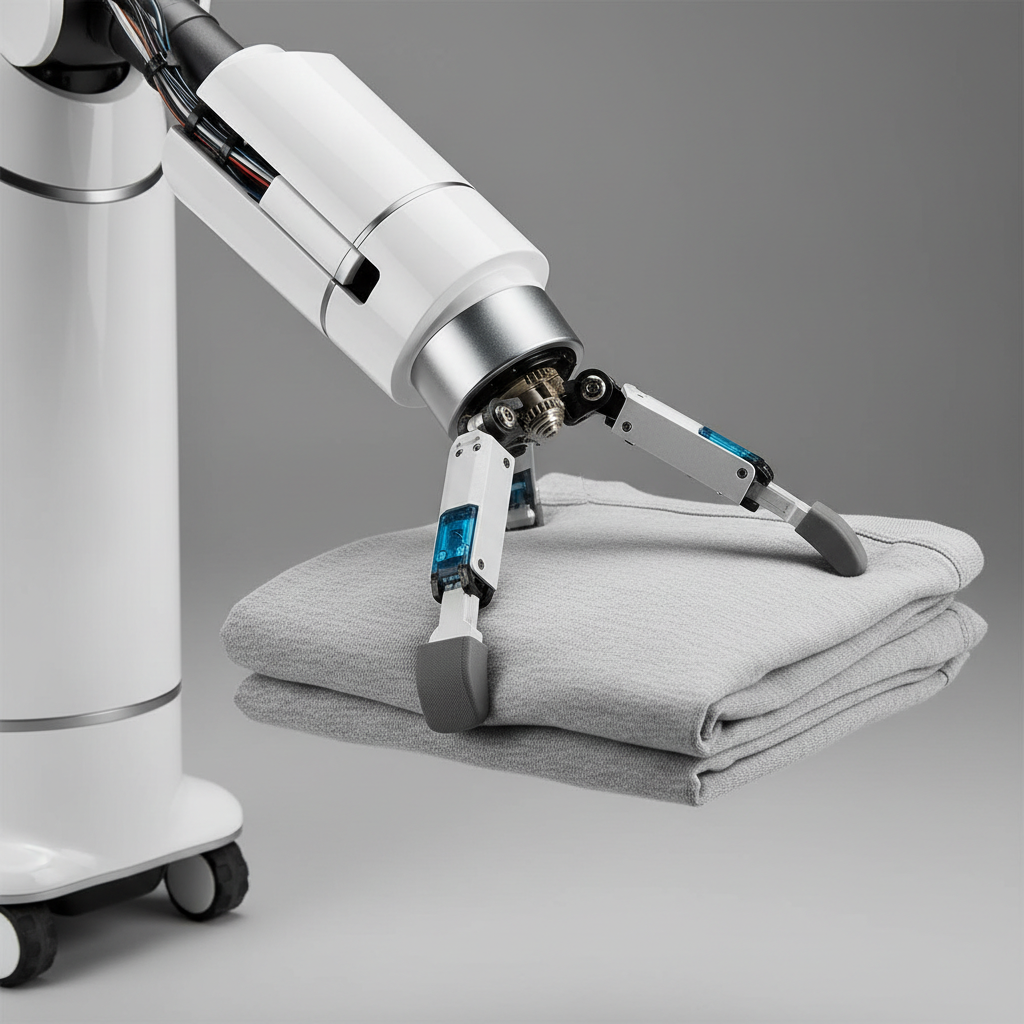
Memo ACT‑2 is the most convincing proof yet that home robots are leaving scripted showpieces behind and stepping into real‑world messes. On July 17 2026, the Mountain View startup released a report showing its robot nailed the laundry‑folding task 778 times out of 785 across homes it had never entered, and it did so with zero per‑home calibration. Those numbers matter less as a raw score than as a sign that an AI‑driven robot can actually generalize, not just memorize a single kitchen or closet.
What’s Memo ACT‑2, and why should smart‑home fans care?
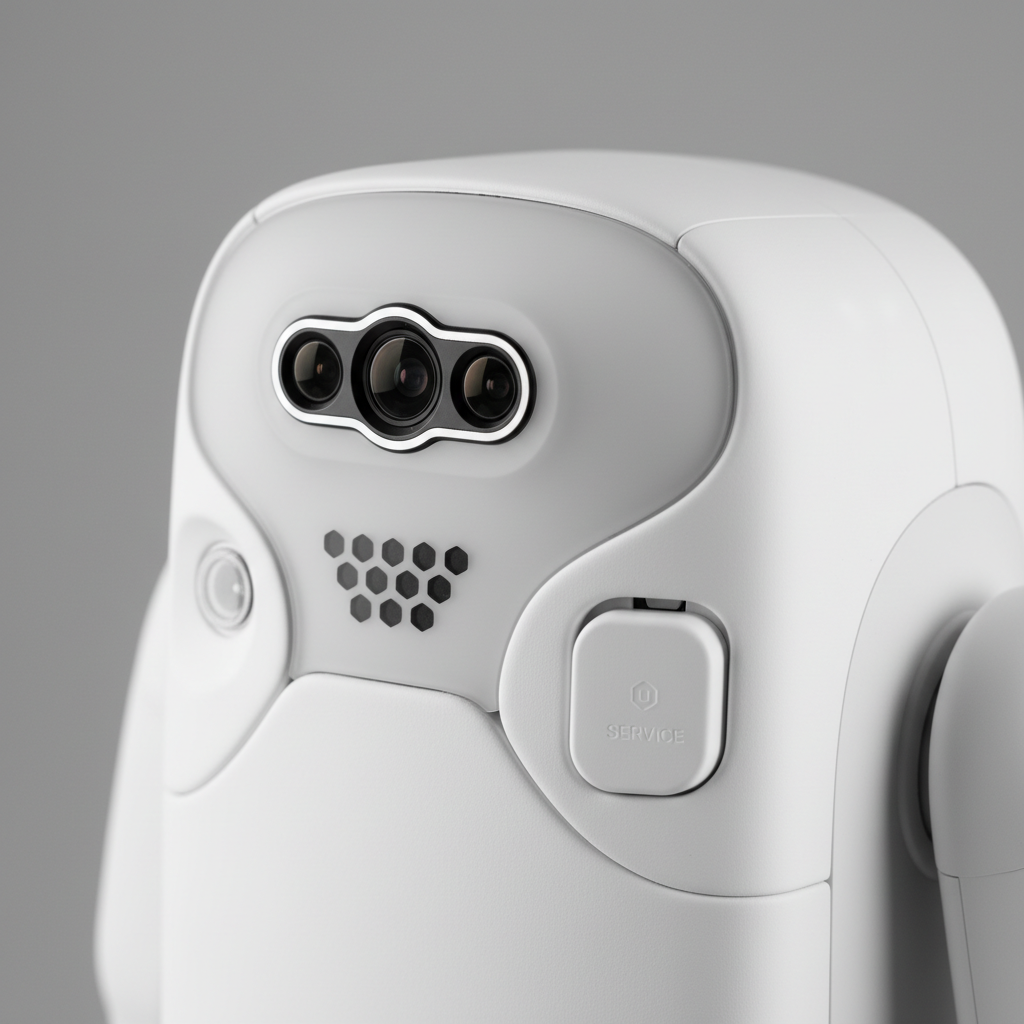
Memo ACT‑2 powers Memo, a 5’7”, 170‑lb wheeled robot built to clear tables, load dishwashers and fold laundry. Sunday first launched ACT‑1 in November 2025, then rolled out ACT‑2 on July 17 2026 with a bold claim: a single model, run without any home‑specific setup, folds laundry correctly 99.1% of the time in brand‑new houses. That’s more than a hand‑picked demo clip; Sunday even created an evaluation framework called a “Solve” to keep the claim transparent.
For the broader smart‑home ecosystem, Memo signals that physical manipulation, not just voice cues or scheduling, is becoming a realistic near‑term category. Most “AI agent” platforms today orchestrate software‑only tasks like lights, locks and thermostats. Memo does something harder: it reaches, lifts, carries and places objects in rooms it has never mapped. Bridging that gap between digital and physical automation has long been the industry’s toughest hurdle, so ACT‑2’s results deserve a serious look.
How does ACT‑2 achieve a 99.1% success rate in real houses?
ACT‑2 separates two pieces that often get tangled in robot learning: a broad pre‑training phase and a narrow, task‑specific fine‑tuning step. Sunday fed the base model a massive, varied dataset collected with a “Skill Capture Glove” worn by paid “Memory Developers” inside real homes. That pre‑training corpus now totals roughly 10 million recorded chore episodes from over 500 households, according to Sunday and Humanoid.guide. Once the base model is large enough, a single new example can teach it a folding technique that works on garments it’s never seen before.
In the published evaluation, Sunday logged 778 successful folds out of 785 autonomous attempts across nine garment types, tested in unfamiliar bedrooms with varying light, bedding and starting positions (Sunday Robotics, “ACT‑2 Preview,” July 2026). Shorts, polos and thick long‑sleeve tops hit a perfect 100% success rate; blouses lagged a bit at 94.7%, which the team blamed on the lightweight, highly deformable fabric that offers fewer visual cues for a grip. It’s refreshing to see a company be that candid about its weak spots, something most robot demos shy away from.
Memo’s chore list goes well beyond laundry
Folding laundry is just the first publicly released “Solve,” but Memo already tackles clearing dishes and cups, loading and running a dishwasher, pulling an espresso shot, and sorting socks. Sunday says the same base model is also being trained on vacuuming, toy organization, zipper fastening, turning pants inside‑out, and basic coffee prep, though none of those have yet met the same reliability bar as folding. For readers curious about robots that are already on the market, our AI home robots buyer’s guide offers a side‑by‑side comparison.
Each successful fold in Sunday’s test set took a median of two minutes and 13 seconds from start to finish, including any recovery from a dropped or crumpled piece. That’s slower than a human folding a T‑shirt, but the robot is meant to run while nobody’s watching, not to race a person. Whether that trade‑off is worthwhile depends on how many chores you’d rather skip each week, not on the speed of any single fold.
Physically, Memo doesn’t walk. It rolls on a wheeled base while a central column raises and lowers its torso, letting the arms reach from floor level up to about seven feet. That design lets it pick laundry off the ground or reach a high shelf without a ladder. Sunday chose wheels over legs deliberately, favoring stability, battery efficiency and roughly four hours of runtime per charge over stair‑climbing ability.
How does an AI home robot differ from vacuums and voice assistants?
An AI home robot like Memo occupies a distinct niche from the smart‑home devices most households already own. A Roborock or iRobot Roomba vacuum focuses on one job, cleaning floors, on a schedule within a mapped area. Voice platforms like Alexa+ and Google’s Gemini for Home coordinate other devices and answer queries, but they can’t lift a sock off the floor. Memo lives in a newer category: general‑purpose manipulation in unmapped rooms, with no fixed task list. For a deeper dive into how voice platforms fit into this landscape, see our guide to AI voice assistants for smart homes.
In 2025, Roborock captured roughly 24.1% of the global smart‑vacuum market in the second half of the year, according to IDC’s Worldwide Quarterly Smart Vacuum Robotics Tracker, as cited in Roborock’s own newsroom release. That scale gap highlights the distance between categories: robot vacuums are a mature, mass‑market appliance with tens of millions shipped annually, while home‑manipulation robots like Memo remain pre‑commercial, with Sunday targeting only about 50 beta units for its first real‑world rollout this fall.
| Category | Sample products | Function | Manipulation capability |
|---|---|---|---|
| Robot vacuum | Roborock, iRobot Roomba | Cleans floors on a schedule within a mapped area | None; single fixed task |
| Voice assistant / hub | Alexa+, Gemini for Home | Coordinates devices, answers questions, runs routines | None; software only |
| Security camera / lock | Ring, Arlo, SimpliSafe | Monitors and alerts; some two‑way audio | None |
| Smart thermostat | ecobee, Nest | Adjusts temperature based on schedule and sensors | None |
| General‑purpose home robot | Sunday Robotics Memo | Folds laundry, clears tables, loads dishwasher | Full arm and gripper manipulation, unmapped rooms |
Is a robot like Memo safe and private for your home?
Safety and privacy are the two hurdles Sunday will need to clear before Memo moves beyond a 50‑household beta. On the physical side, Sunday says Memo is engineered for low‑speed, low‑force operation around kids and pets, featuring a soft silicone exterior and a top speed of about 3.6 km/h, roughly a leisurely walk, not a dangerous sprint.
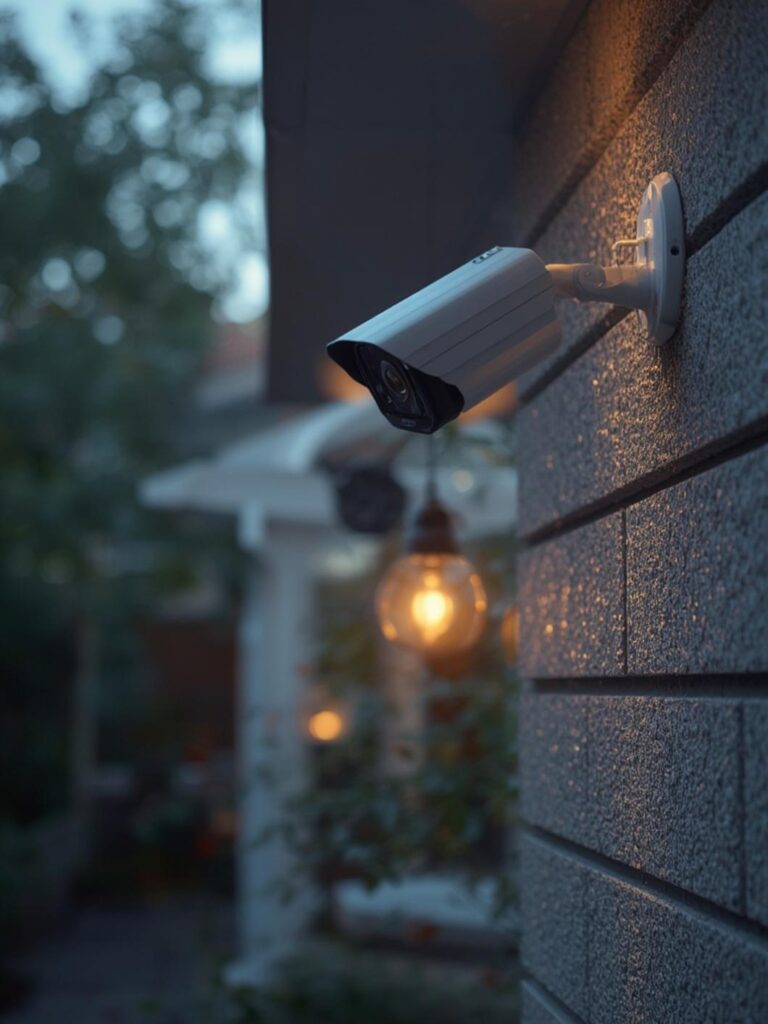
The bigger question is data. A robot that wanders through every room, armed with cameras and sensors, gathers a fundamentally different amount of visual information than a static front‑door camera. Sunday hasn’t yet published a detailed data‑retention or third‑party sharing policy alongside the ACT‑2 results, and that omission matters.
According to Reviews.org’s 2026 State of Consumer Data survey, 30% of respondents said they’re more worried about connected devices collecting their data than a year ago, and only 53% felt they had meaningful control over what their devices capture. A robot with a camera in every room amplifies that concern dramatically.
If you’re eyeing the beta, ask Sunday directly, before you sign up, what raw footage is kept, whether it’s used to train future models, and how long it’s stored. Founding Family beta participants agree to close collaboration with Sunday’s team, which likely means more data sharing than a typical consumer purchase. That trade‑off deserves a plain‑language explanation, not a buried clause in a beta agreement. For broader context on American attitudes toward connected‑device data, see our smart home adoption statistics roundup.
Memo’s price and availability timeline
Memo isn’t on the market yet. Sunday estimates each hand‑built unit costs roughly $20,000 to produce, and the company’s target is a retail price under $10,000 once they scale manufacturing, according to specs published by Humanoid.guide. Even at the lower end, that’s a steep bill, well above what most households spend on a full smart‑home suite of cameras, locks, thermostats and hubs.
The short‑term path to ownership runs through Sunday’s Founding Family Beta, which opened applications on November 19 2025 and will place about 50 numbered units in real homes starting this fall, per Sunday’s beta page and coverage from Wired. Sunday raised a $165 million Series B round in March 2026 at a $1.15 billion valuation specifically to fund that deployment, according to TechCrunch. Broad retail availability, if it ever happens, remains several years away.
Should you apply for Sunday’s Founding Family Beta?
The beta makes sense for a narrow slice of households: those comfortable hosting frequent visits from Sunday’s team, tolerant of an unfinished product, and genuinely curious about being part of an early‑stage robotics deployment rather than buying a polished appliance. It isn’t a shortcut to a discounted robot, because a Founding Family unit is all about close, ongoing collaboration with the company, not a finished consumer experience.
For everyone else, the key takeaway from ACT‑2 is directional. It’s the first solid proof that a general‑purpose manipulation robot can generalize across real homes without per‑home setup, and that milestone tends to compress timelines across an entire category once one company shows it’s doable. If Memo’s numbers hold up in the field, expect competitors, and a realistic consumer price tag, within a few years rather than a decade.
Frequently Asked Questions
Is Memo ACT‑2 available to buy right now?
No. Memo is still pre‑commercial. Sunday Robotics plans to deploy around 50 units through its Founding Family Beta starting in fall 2026, with no confirmed general‑retail date or price yet.
How much will a Memo home robot cost?
Sunday says each hand‑built unit currently costs about $20,000, and the company’s target is a retail price under $10,000 once they can mass‑manufacture, though the timeline for that price hasn’t been confirmed.
What’s the difference between ACT‑1 and ACT‑2?
ACT‑1, introduced in November 2025, demonstrated that Memo could handle long, multi‑step chores and generalize to new homes. ACT‑2, previewed in July 2026, zeroes in on reliability, reporting a 99.1% success rate on laundry folding across unfamiliar homes with no per‑home setup.
Can Memo replace a robot vacuum or a voice assistant?
No, it belongs to a different category. Robot vacuums like Roborock and Roomba clean floors, and voice assistants like Alexa+ coordinate devices and answer questions. Memo physically picks up, carries, and manipulates objects, something neither of those device types can do.
Is Memo safe to have around children and pets?
Sunday says Memo is designed for low‑speed, low‑force operation with a soft outer shell and a top speed around 3.6 km/h. The company hasn’t published independent third‑party safety certifications alongside the ACT‑2 data, so the claim currently rests on Sunday’s own description.
Memo ACT‑2 doesn’t make general‑purpose home robots a mainstream reality this year. It does make them a credible near‑term category, backed by a specific, published reliability number instead of a highlight reel. That distinction, a Solve rather than a demo, is the real story here, and it’ll be worth watching whether Sunday’s numbers hold up once fifty real families start using Memo instead of the company’s internal test team.
Sources
- Sunday Robotics, “ACT‑2 Preview: Generalizing Reliability,” Sunday Robotics Blog, July 17 2026. sunday.ai/blog/act-2-preview
- TechCrunch, “Humanoid robotics maker Sunday reaches $1.15B valuation to build household robots,” March 12 2026. techcrunch.com
- Wired, “This Home Robot Clears Tables and Loads the Dishwasher All by Itself,” November 19 2025. wired.com
- Humanoid.guide, “Sunday Robotics MEMO Specs & Price,” accessed July 2026. humanoid.guide
- Roborock Newsroom, “Roborock Becomes the World’s No. 1 Smart Cleaning Robot Brand According to IDC,” 2026. newsroom.roborock.com
- Reviews.org, “State of Consumer Data 2026: Americans Want More Control Over What Their Devices Collect.” reviews.org