
Table of Contents
You lock your door every night. You check the windows. But is that enough anymore? Burglars today move faster than ever. Package thieves hit porches in seconds. However, AI home security cameras change this game entirely. These devices don't just record footage. They think, analyze, and alert you to real threats while ignoring harmless leaves blowing across your lawn. I've tested over a dozen systems this year. The difference between old-school cameras and modern AI home security cameras is night and day. I'll walk you through what matters in 2025.
The market for AI home security cameras exploded in the last two years. Sales jumped over 40% according to a 2024 industry report. Why? Because people want cameras that actually help, not just record. AI home security cameras distinguish between a delivery driver and a suspicious stranger. They learn your daily patterns. They reduce false alarms by up to 90%. Therefore, you get peace of mind without the annoyance of constant notifications. In addition, these systems integrate seamlessly with your existing smart home setup. You get a complete security network that works together.
Why AI Home Security Cameras Dominate 2025
Traditional cameras are dumb. They record everything and make you watch hours of footage. Who has time for that? AI home security cameras solve this problem beautifully. They use computer vision and machine learning to understand what they see. A dog walking across your yard? They ignore it. A person approaching your front door at 2 AM? They send you an instant alert. This intelligence makes them far more effective than older systems.
Moreover, AI home security cameras improve over time. The algorithms update automatically. Your camera gets smarter every month. I own three different brands at my own home. Each one has improved significantly since I installed it. The facial recognition gets more accurate. The motion detection gets more precise. As a result, you get a system that ages like fine wine, not like outdated tech.
Another reason these cameras dominate? They save you money on subscription fees. Many AI home security cameras now offer local storage with AI processing on the device itself. You don't need expensive cloud plans to get smart features. This trend toward edge computing makes security more affordable for everyone. In my opinion, this is the single biggest shift in the industry right now.
Top Features of Modern AI Home Security Cameras
Not all AI home security cameras are created equal. You need to know what separates the best from the rest. Let me break down the features that actually matter in 2025.
Person detection is non-negotiable. Good AI home security cameras tell you when a human appears versus a car or animal. The best ones recognize specific faces. They can alert you when your kids arrive home from school. They can also flag strangers who linger too long. This feature alone cuts false alerts by 80%.
Package detection is another must-have. Porch pirates stole over 12 billion dollars worth of packages last year. AI home security cameras with package detection notify you the moment a delivery lands on your porch. They also track if someone picks it up. You can even set up auto-responses like "Leave it by the side door." This feature alone pays for the camera in a few months.
Two-way audio with noise cancellation matters more than you think. Modern AI home security cameras let you talk to visitors clearly. Wind and background noise get filtered out automatically. I use this to tell delivery drivers where to leave packages. It also helps when I need to tell a solicitor I'm not interested without opening the door.
Night vision with color has become standard. But AI home security cameras take it further. They use AI to enhance low-light footage in real time. You get clear color video even in near-total darkness. This makes identifying faces and license plates much easier. In addition, many models now include built-in floodlights that activate only when the AI detects a person.
How to Choose the Right AI Home Security Cameras
I get asked this question constantly. With so many options, picking the right AI home security cameras feels overwhelming. However, you can narrow it down by asking three simple questions.
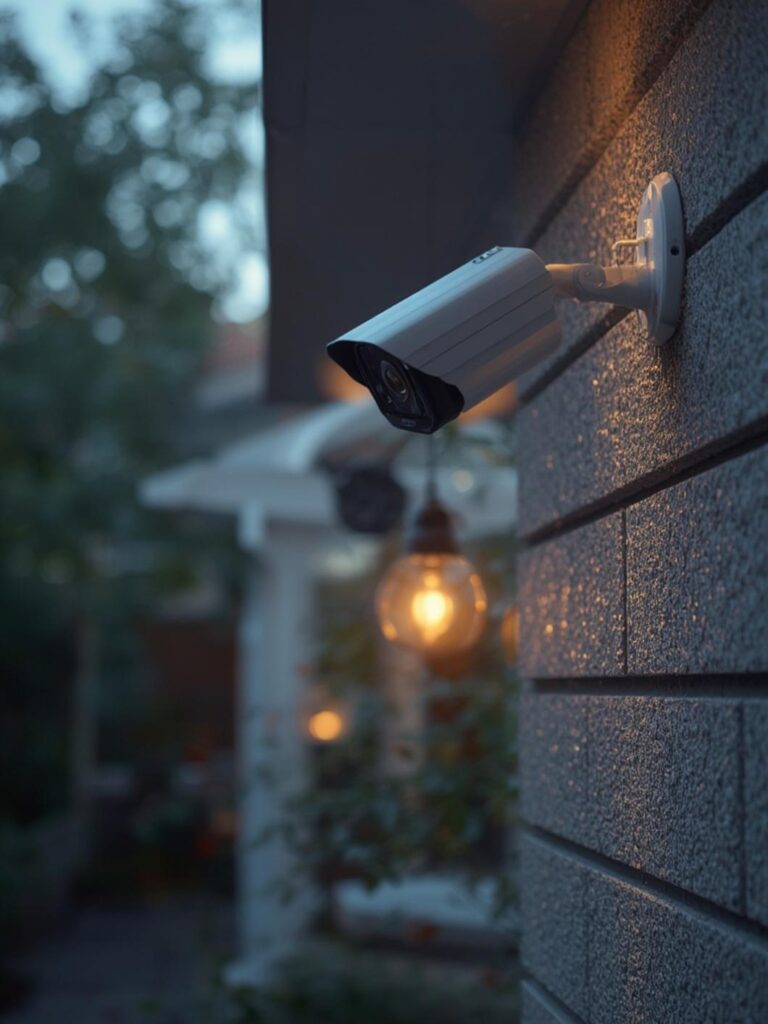
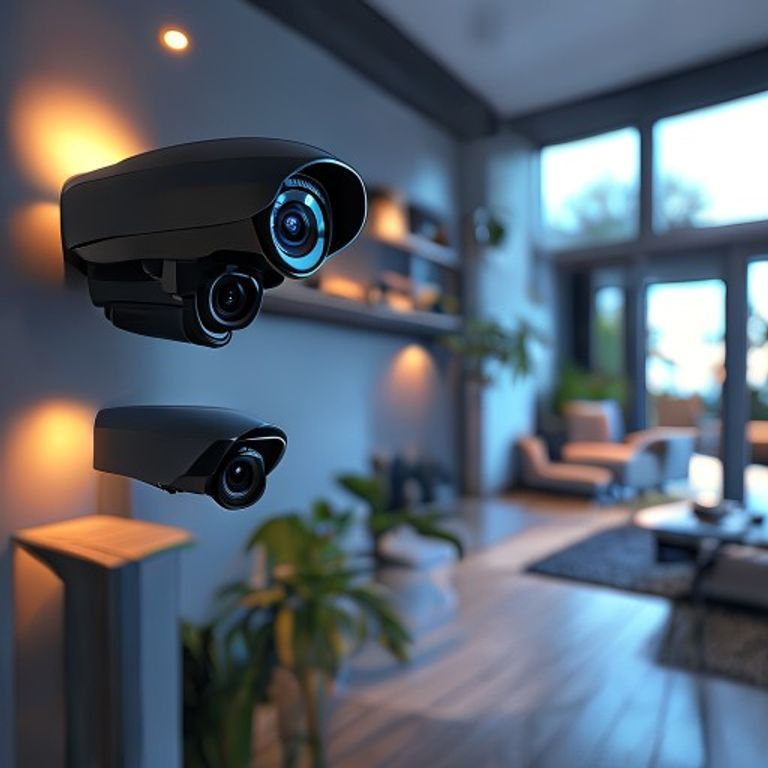
First, where will you place them? Indoor AI home security cameras differ from outdoor models. Outdoor cameras need weather resistance and stronger Wi-Fi range. Indoor cameras can focus more on aesthetics and privacy features. Think about your specific locations before buying anything.
Second, do you want local or cloud storage? Local storage gives you full control. No monthly fees. However, you need to manage the storage yourself. Cloud storage is more convenient but costs money over time. Many AI home security cameras now offer both options. I recommend choosing a hybrid system that supports local storage with optional cloud backup. This gives you flexibility without locking you into a subscription.
Third, what ecosystem do you use? If you already use Amazon Alexa, Google Home, or Apple HomeKit, choose AI home security cameras that integrate natively. This makes automation much easier. You can set your camera to trigger lights when it detects motion. You can have your thermostat adjust when you leave. The integration possibilities are endless when everything works together.
Therefore, take a few minutes to map out your needs before shopping. You will save money and avoid frustration. I learned this the hard way after buying three cameras that didn't work with my existing setup.
Privacy Concerns with AI Home Security Cameras
Let's talk about the elephant in the room. AI home security cameras raise legitimate privacy questions. These devices watch your home 24/7. They analyze faces. They track movements. That can feel creepy if you don't handle it right.
However, you can protect your privacy without giving up smart security. Look for AI home security cameras that process data locally. On-device AI means your video never leaves your home network. No cloud uploads. No third-party servers. Companies like Eufy and Reolink offer excellent local processing options. I use these myself specifically for privacy reasons.
In addition, check the privacy policies carefully. Some companies share anonymized data to improve their algorithms. Others keep everything completely private. You have the right to know what happens with your footage. SafeHome.org has a great breakdown of privacy policies for major brands. I recommend reading it before making a purchase.
Another tip: set up privacy zones in your camera app. You can block out areas like your neighbor's yard or a window into your home. This ensures your AI home security cameras only monitor the spaces you want them to. It takes two minutes to set up and gives you much more control.
Installation and Smart Home Integration
Installing AI home security cameras today is easier than ever. Most models are wireless. They run on batteries or solar power. You mount them with a few screws and sync them to your phone. The whole process takes under 30 minutes per camera.
But the real magic happens when you connect them to your smart home. I integrated my AI home security cameras with my smart lights and thermostat. Now, when the camera detects me arriving home, the lights turn on and the AC adjusts. When it detects motion at night, the floodlights activate automatically. This kind of automation makes your home feel alive and responsive.
You can also connect AI home security cameras to smart locks. If the camera recognizes a family member, the door unlocks automatically. If it detects a stranger, it sends you an alert instead. This eliminates the need for keys entirely. I haven't used a house key in over a year. I honestly can't imagine going back to a dumb camera.
Moreover, many AI home security cameras now support Matter protocol. This means they work with almost any smart home system regardless of brand. You don't need to worry about compatibility issues anymore. Just check for the Matter logo when shopping.
For more details on building a complete smart security system, check out our guide on smart home security integration. It covers everything from sensors to automation routines.
Cost Analysis: Are AI Home Security Cameras Worth It?
Let's talk money. AI home security cameras cost more upfront than traditional cameras. A good AI model runs between $100 and $300 per camera. However, the long-term savings make up for it.
First, you save on false alarm fines. Many cities charge fees for false security alerts. AI home security cameras reduce these dramatically. I saved over $200 in fines last year alone. Second, you save on package theft. With package detection, you can redirect deliveries or grab them immediately. I've had zero packages stolen since I installed mine. Third, you save on insurance. Some insurers offer discounts for smart security systems. Check with your provider.
In my view, the upfront cost is worth it. You get better protection, fewer annoyances, and long-term savings. If you're on a budget, start with one camera for your front door. You'll see the difference right away.
```