
Table of Contents
TL;DR: In 2026, AI‑powered home automation is moving the heavy lifting from the cloud onto your own devices. That means less lag, fewer gigabytes of video leaving your house, and a smoother experience overall. Adoption keeps climbing, with platforms like Alexa+ and Google Home now running on generative AI. Still, you’ll want to balance price, privacy, and setup effort before you fill every room with smarter gadgets.
When we talk about AI smart home automation, we’re referring to artificial intelligence (whether hosted in the cloud or baked right into a device) taking charge of locks, cameras, thermostats, and lights without you having to press a button each time. Instead of a stiff “if this, then that” script, an AI‑driven system watches your habits: when you usually get home, which rooms stay empty, or how a delivery person looks versus a stranger loitering at the door. That learning layer is what separates today’s automation from the timer‑based set‑ups most homes used a decade ago.
What Is AI Smart Home Automation?
Think of AI smart home automation as a setup where machine‑learning models, not static schedules, decide when a device should act. A thermostat that only follows a preset timer isn’t doing that. A thermostat that watches your habits for weeks, then tweaks the temperature before you even think about it, is. The difference matters because rule‑based automation breaks the moment your routine shifts, whereas AI‑based automation rolls with the punches on its own.
Gitnux’s 2026 fact‑checked industry report shows that 31% of U.S. adults already own at least one smart home device, and a whopping 62% of consumers surveyed in 2024 said they’re interested in bringing AI into their daily home tasks (Gitnux, “AI In The Home Industry Statistics,” 2026). That gap between ownership and curiosity is exactly where 2026’s product launches are aiming their arrows.
How Is 2026 Different From Earlier Smart Home Automation?
The biggest change this year is where the “thinking” lives. A few years back, most smart‑home systems shipped everything to a remote server: a camera saw motion, uploaded a clip, and waited for the cloud to decide whether to ping you. That round‑trip added delay and meant your video left the house by default.
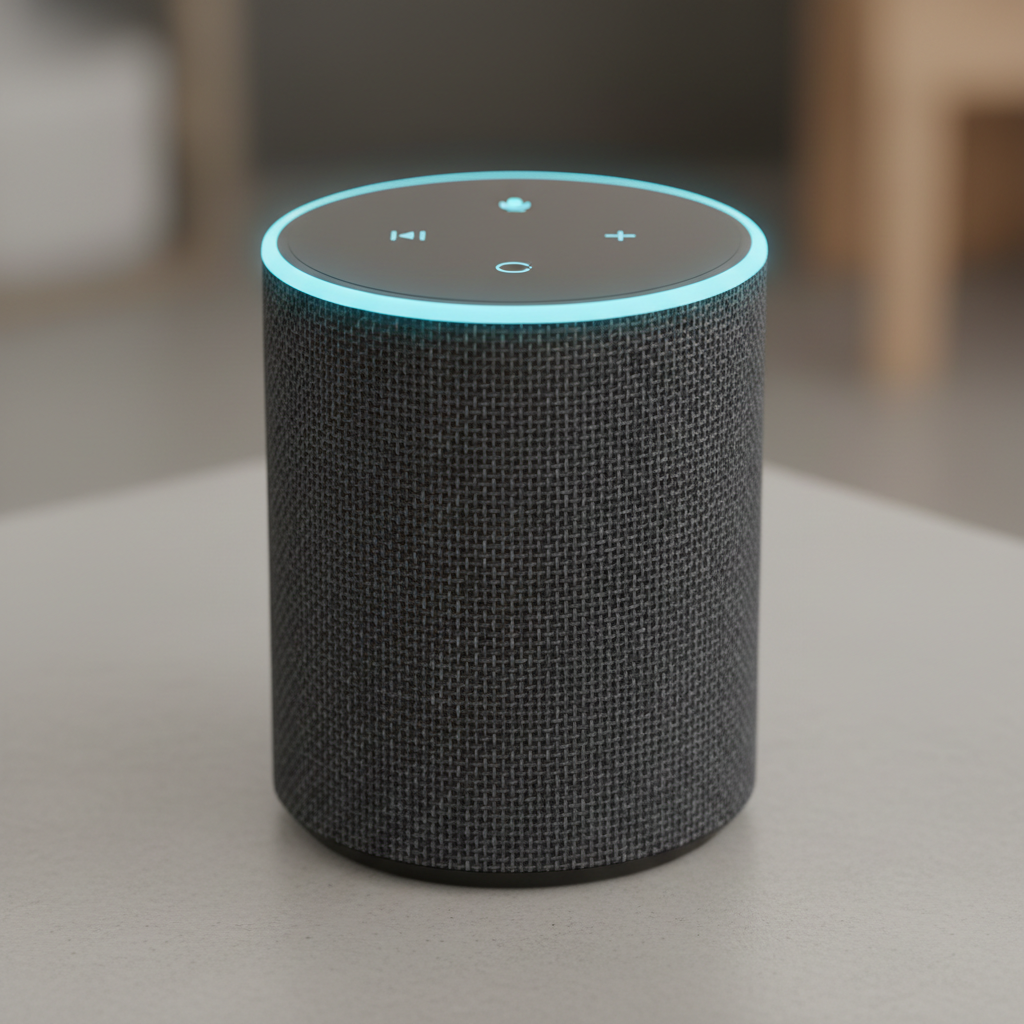
Enter generative‑AI assistants. Amazon’s Alexa+, billed as the next‑gen Alexa, runs on Amazon’s Nova models paired with Anthropic’s Claude, letting it hold a true conversation, remember your preferences, and knock out multi‑step tasks, far beyond the old “just reply to a voice command” model (Amazon, “Introducing Alexa+, the next generation of Alexa,” 2026). Google is walking a similar path with Gemini for Home, and both giants are betting that a conversational layer, not just more sensors, is what finally makes automation feel genuinely useful day‑to‑day.
Why Edge AI Is Moving Processing Out of the Cloud
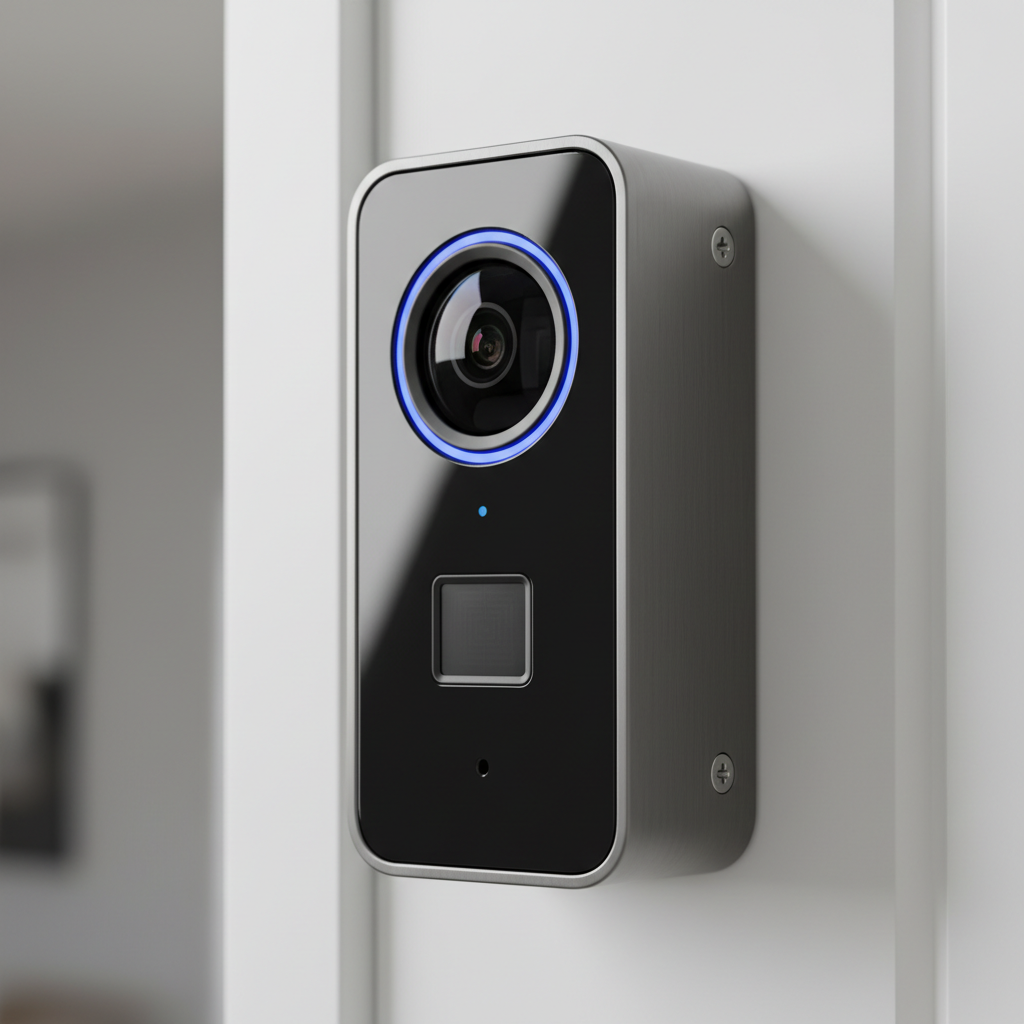
Edge AI means the AI model runs straight on the device instead of first sending data to a far‑away server. A doorbell camera equipped with edge AI can tell a delivery driver from a lingering stranger before it ever pushes a notification, all without waiting on the cloud (TechBuzz Ireland, “How Edge AI Is Transforming Smart Homes, Personal Devices, and Everyday Digital Privacy,” 2026).
The privacy angle is often downplayed. When processing stays local, far less raw footage and audio leaves your home, and a 2026 industry estimate suggests that over 60% of consumer AI interactions could happen, at least partially, on‑device by 2027. That’s a real swing away from a decade where “smart” usually meant “everything gets uploaded somewhere.” Still, edge AI isn’t a silver bullet: local devices still need firmware updates and robust authentication, because a compromised chip with physical access can be a worse nightmare than a hacked cloud account.
Want to see how far this local‑first mindset has already traveled? Check out our roundup of local‑first AI smart home platforms that keep processing on‑device, many of which bypass the cloud almost entirely for core jobs like locks and motion detection.
Which AI Smart Home Platforms Lead in 2026?
Four ecosystems dominate most U.S. households right now, and each takes a distinct stance on how much AI runs locally versus in the cloud. The table below cuts through the marketing fluff and compares them on the features that actually affect everyday use.
| Platform | Generative AI assistant | Notable edge/on-device processing | Works without a subscription | Best for |
|---|---|---|---|---|
| Alexa+ | Yes (Nova + Claude) | Partial: voice wake‑word local, most reasoning cloud‑based | Free with Prime, limited otherwise | Households already on Prime wanting conversational control |
| Google Home (Gemini for Home) | Yes | Partial: Nest cameras do on‑device person/package detection | Core features free; advanced AI features tied to subscription | Existing Nest/Google device owners |
| Apple Home | Limited (Siri integration expanding) | Strong: HomeKit Secure Video processes locally on an Apple TV or HomePod hub | Yes, no subscription required for core automation | Privacy‑focused Apple households |
| SmartThings / Aqara (Matter‑based) | No native generative assistant | Strong: many Matter and Zigbee routines run entirely on a local hub | Yes | DIY users who want a local, brand‑agnostic setup |
Apple’s approach deserves a special shout‑out: HomeKit Secure Video handles camera footage on a local hub instead of sending it to a distant server, offering a privacy model that’s genuinely different from platforms that default to cloud analysis. Whether that matters to you will depend on how much you already trust the ecosystem you’re locked into.
If you’re leaning toward an agent‑style assistant rather than a single‑brand ecosystem, our guide to AI agent smart home platforms walks through several options built to sit on top of, rather than replace, your existing gear.
Is AI Smart Home Automation Worth the Cost?
For most families, the straight‑up answer is: it depends on how many compatible devices you already have. A lone AI‑enabled camera or thermostat rarely pays for itself, but once you have five or more connected gadgets, an AI layer that coordinates them starts delivering real value.
Subscriptions are the hidden expense many shoppers overlook. Alexa+ comes free with Amazon Prime, which costs $139 a year in the U.S., so it’s not truly “free” unless Prime is already part of your budget. Google and Apple also lock some AI features behind their own subscription tiers, and those fees can stack quickly if you’re paying premium for more than one ecosystem. That adds up fast on top of the hardware price.
Robot vacuums illustrate where AI has genuinely earned its premium. The Roborock lineup now uses AI‑driven obstacle recognition to dodge cords and pet waste, a feature that actually cuts down on the number of times you have to step in and fix a jam.
What Privacy and Security Risks Come With AI Automation?
More AI in the home means more decisions being made about your data, and not everything stays local. Cameras, microphones, and sensors that route through the cloud broaden the attack surface compared with a purely local setup, and each new integration is another point where a weak password or misconfiguration could expose footage or usage patterns.
Security‑focused brands have responded by pulling detection onto the device. Ring and Nest cameras now run person‑ and package‑detection locally on newer hardware, trimming both bandwidth use and the amount of raw video that leaves your property. Pair any AI‑connected gadget with strong, unique passwords and prompt firmware updates. That habit matters more than the brand you choose.
For a deeper dive into how these systems behave when nobody’s watching, see our piece on proactive AI systems that anticipate needs before you ask, which walks through what happens when automation starts acting without an explicit command.
How Do You Start Adding AI Automation to Your Home?
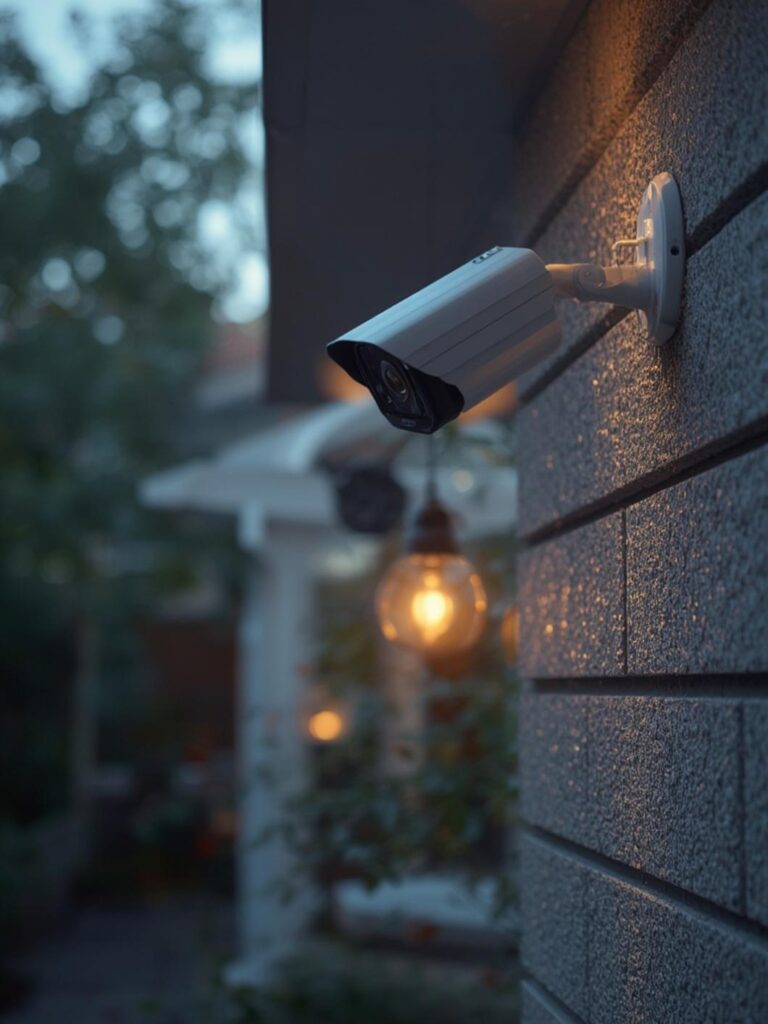
Start small: pick one category of device rather than overhauling everything at once. Security tends to be the easiest entry point: an AI‑enabled camera or video doorbell offers an instantly noticeable upgrade (fewer false alerts, better person/vehicle distinction) without forcing you into a full‑blown ecosystem.
From there, expand toward the ecosystem your existing gear already leans on. Own a Nest thermostat? Google Home is the logical next step. If most of your devices are Matter‑compatible, a local hub keeps you flexible and avoids locking you into a single company’s AI subscription. Google even publishes its own automation suggestions for Nest owners; our walkthrough of Google Home’s AI‑suggested automations shows how the system proposes routines based on patterns it already sees, giving you a low‑effort way to test the waters before you invest heavily.
Budget is another factor. A smart thermostat like ecobee or a security kit like SimpliSafe can be added individually for well under $300, a far smaller commitment than swapping every device for a single AI‑branded ecosystem.
Frequently Asked Questions
Does AI smart home automation require an internet connection to work?
Not always. Edge‑AI devices, like Apple’s HomeKit Secure Video or many Matter‑based hubs, can process footage and run routines locally, so core functions keep humming during an outage. Cloud‑dependent gear, including most generative‑AI assistants like Alexa+, still need an internet link for their richer conversational features.
Is Alexa+ free to use?
Alexa+ comes at no extra charge for Amazon Prime members in the U.S., and Prime itself runs $139 a year. Non‑Prime users can access a trimmed‑down version, according to Amazon’s own announcement.
Which is more private: cloud AI or edge AI?
Edge AI generally wins on privacy because raw audio and video stay on the device instead of being uploaded for analysis. That said, edge devices still require solid security practices such as firmware updates and strong passwords, since local processing doesn’t erase every risk.
Do I need to replace all my smart home devices to add AI automation?
Nope. Most 2026 platforms are built to layer AI features on top of the gear you already have, especially if it supports Matter. Starting with a single category, like security cameras, is a common, low‑cost way to see if AI automation fits your household.
What is the difference between AI automation and older rule‑based automation?
Rule‑based automation follows static schedules or triggers you set manually (“turn off lights at 10 p.m.”). AI automation watches how you actually live, learns your patterns, and adjusts on its own, meaning it can adapt when your routine shifts without you having to reprogram anything.
Where AI Smart Home Automation Is Headed
The rest of 2026 is shaping up predictably: more processing shifts to the device, subscription‑gated AI features proliferate across major platforms, and the line between “smart” and merely “connected” keeps widening. Households that already own a handful of compatible gadgets are the ones most likely to feel a real difference, while folks adding a single device should expect a modest, yet still useful, boost.
For a broader view of how adoption numbers have moved over the past year, check out our roundup of current smart home adoption statistics, which tracks the trend in detail across device categories.
Sources
- Gitnux. "AI In The Home Industry Statistics." 2026. https://gitnux.org/ai-in-the-home-industry-statistics/
- TechBuzz Ireland. "How Edge AI Is Transforming Smart Homes, Personal Devices, and Everyday Digital Privacy." July 15, 2026. https://techbuzzireland.com/2026/07/15/how-edge-ai-is-transforming-smart-homes-personal-devices-and-everyday-digital-privacy/
- Amazon. "Introducing Alexa+, the next generation of Alexa." 2026. https://www.aboutamazon.com/news/devices/new-alexa-generative-artificial-intelligence